Why Ignoring Patient Feedback Online Is Costing You Trust
My clinic had a problem I did not see coming. Patients were talking about me online. Some said good things. Some said bad things. I was not listening to any of it. I thought my medical skills were enough. I was wrong. Patients check online reviews when picking a healthcare provider. Three out of every four people read what others say before they book.
Table of Contents
ToggleI did not know that my online silence was hurting me. Every day I ignored reviews, I lost trust. Research found that 84% of patients read online review sites to check out providers. They read what past patients wrote. They believed those words. When I stayed quiet, they thought I did not care.
The numbers opened my eyes to how serious this was. About 77% of people use online reviews as their first step in finding a new doctor. Before they call my clinic. Before they ask their family. They go online and read. If I was not there or not responding, I became invisible to them.
I learned that patients trust online reviews as much as friend advice. Reports say 80% of people trust online reviews like personal recommendations. This shocked me. What strangers wrote about me mattered as much as what neighbors said. My reputation was being built by others while I stayed silent.
The trust factor became clear when I dug deeper into patient behavior. Studies show 90% of patients use online reviews to check out doctors. Nine out of ten people look me up before deciding. They scroll through stars. They read comments. They judge me based on what they find. Without my voice there, they only heard one side.
I discovered something else that changed how I think about reviews. More than one third of patients say a doctor’s online reputation is very important. Six out of ten patients picked a doctor because of positive reviews. Good words brought them in. The same research showed six out of ten avoided doctors because of negative reviews. Bad words pushed them away.
The age of reviews matters more than I thought. Data shows 85.30% of patients look at how old a review is. They want recent information. Old reviews from three years ago mean nothing to them. They want to know what happened last month. If my reviews were old and ignored, patients thought things got worse.
I found out patients need to see many reviews before trusting them. Reports say 74.7% of patients want at least seven ratings before they trust. Another 77.6% need seven similar comments before believing a pattern. Two or three reviews were not enough. I needed volume and I needed to engage with them.
The specific number of reviews patients read was eye opening. About 70.96% of patients read between one and ten online reviews when deciding. Another study found 78.61% of patients check at least five online reviews. Some go deeper. Reports show that half of patients read ten or more reviews before picking. They do serious research before calling my number.
The impact on my practice became obvious. Studies found that 40% of patients changed their care plans based on negative feedback online. They canceled appointments. They chose not to book at all. I was losing patients before they ever met me. All because I ignored what people said online.
The platforms where patients look for me matter a lot. Google leads with 77.78% of patients using it in recent data. WebMD comes next with 52.47% usage. Health grades sit at 26.79%. Patients check many sites. They cross reference what they read. If I was only on one platform, I missed most patients.
I realized that responding to reviews changes everything. Research shows 88% of consumers prefer a business that replies to all reviews. When I stay quiet, patients think I do not value their words. When I respond, I show I listen. This simple act builds huge trust with people reading.
The response impact goes deeper than I expected. Studies found that consumers are 41% more likely to use a business that responds to all reviews. Not just good ones. My silence was costing me almost half of potential patients. They wanted to see me engage.
Provider responses actually increase trust by 42% among people reading reviews. When I answer a comment, both the original patient and future readers trust me more. My words show I care. They prove I pay attention. They demonstrate I will listen if they become my patient.
Another study showed 59.48% of patients prefer providers who respond to both positive and negative reviews. They do not want me to cherry pick. They want consistency. They want to see how I handle praise and criticism. My response style tells them about my character.
The timing of my response matters as much as the words. Reports say 45% of patients value providers who actively respond to reviews. Another 41% said their trust increases when they see responses to feedback. These are not small numbers. Almost half of my potential patients judge me on this.
I learned something powerful about negative reviews specifically. Data shows that 66% of people say providers answering negative reviews is very or moderately important. They do not expect perfection. They expect accountability. When bad things happen and I respond well, trust actually grows.
The conversion from reviews to real appointments is direct. Studies found that businesses with high response rates saw 13.86% conversion from reviews to customers. Practices that respond turn online praise into real appointments. My silence was leaving money on the table every single day.
Negative reviews can actually improve if I respond right. Research by Yelp showed 33% of users will upgrade their reviews if businesses respond with personal messages. A one star review can become three stars. A three star can become five. But only if I engage and make things right.
The search visibility connects to reviews too. Online search drives three times more patients to hospitals than offline methods. When I have good reviews and respond to them, search engines rank me higher. More people find me. More people book. Everything connects together.
I discovered that patient satisfaction can increase 99% when I address negative reviews properly. Taking a bad experience and fixing it creates extreme loyalty. The patient feels heard. They tell others. Future patients see I care. One good response saves relationships and attracts new ones.
Recent data shows that 61% of patients now prioritize online reviews over referrals from friends and family. This is a massive shift. Personal recommendations used to be king. Now online feedback rules. I cannot ignore this change. My survival depends on managing my online voice.
I found that my competitors are ahead of me on this. Recent surveys show that almost 90% of practices now use some form of online reputation management. They view reviews. They respond fast. They use tools to stay on top. Meanwhile, data shows 65% of doctors have zero online reviews. That is a huge gap and opportunity.
The review collection timing matters for getting more feedback. Studies found 47% of patients are most likely to leave a review within 24 hours of their appointment. The window is short. If I wait a week to ask, they forget. If I ask right away, they write.
Another 74% said they would leave a review if their provider asked them. Most patients need permission or prompting. They do not think to do it on their own. A simple request doubles my review count. But I have to actually ask.
I learned that only 5% to 10% of patients write reviews naturally. Most people do not bother unless pushed. The silent majority stays silent. This means negative experiences get overrepresented. Unhappy people write. Happy people stay quiet. Unless I actively collect feedback, my reputation skews negative by default.
The demographic patterns showed me something important. About 91% of people aged 18 to 34 trust online reviews as much as personal recommendations. Younger patients live online. They believe what they read. If I want to attract this demographic, my online presence must be strong.
I discovered that 71% of patients use online reviews to see and pick a new healthcare provider. This cuts across age groups. Young and old. Everyone checks. The internet made research easy. Patients expect information. They expect transparency. They expect my voice in the conversation.
The average person reads ten online reviews before trusting a local business. Ten reviews. Not two or three. They want depth. They want patterns. They want to see consistency across many voices. A few reviews mean nothing. Volume builds credibility.
I found that 84% of patients daily visit review sites to view or post comments and ratings. They do not read once. They come back. They check updates. They engage with the content. My online reputation is a living thing that needs constant attention.
Something crucial became clear about handling negative feedback. Studies show that 79% of people will leave a positive review if a business turns a bad experience into a good one. Recovery is possible. Damage can be fixed. But only if I respond and make things right.
The emotional aspect of healthcare makes reviews more important here. People come to me during vulnerable moments. They need to trust me with their bodies and health. Reviews give them confidence or create doubt. This is not like buying shoes online. The stakes are much higher.
I learned that patients want to see specific things in reviews. They look for details about care experiences. They want to know about communication style and bedside manner. They check for information about wait times and staff friendliness. They read about billing transparency. Generic reviews mean nothing. Details build trust.
The review response strategy needs to be consistent. Patients notice if I only respond to five star reviews. They see if I ignore criticism. They judge my character based on response patterns. Selective engagement looks defensive. Full engagement looks confident and caring. Fast responses show I am paying attention. Slow responses or no responses suggest I do not care. Patients compare providers. The one who responds fastest often wins.
The tone of my responses needs to be right. I must stay professional but warm. I need to acknowledge feelings without being defensive. I should thank people for positive reviews. I must address concerns in negative reviews without breaking privacy rules. The balance is tricky but essential.
HIPAA compliance makes review responses complex. I cannot share patient information publicly. I cannot confirm someone was my patient. I cannot discuss their treatment. But I can acknowledge their feelings. I can invite them to contact me privately. I can show I care without violating laws.
I learned that personalized responses work better than templates. Research shows 63% of consumers feel trust increases when they get personalized experiences. Generic responses feel robotic. Specific responses feel human. Patients want to know I actually read what they wrote.
The strategic advantage of good reputation management became obvious. Practices with strong online reputations attract more patients. They charge higher fees. They have better retention. They spend less on advertising. Good reviews become their best marketing tool. And it costs nothing but time. Positive reviews build credibility. They make patients more likely to book. They improve search rankings. They create word of mouth online. Consistently good feedback drives growth without expensive ads.
The shift in patient behavior is permanent. Online reviews are not a trend. They are how people make decisions now. Across all ages. Across all services. Transparency and public feedback define modern commerce. Healthcare must adapt or die.
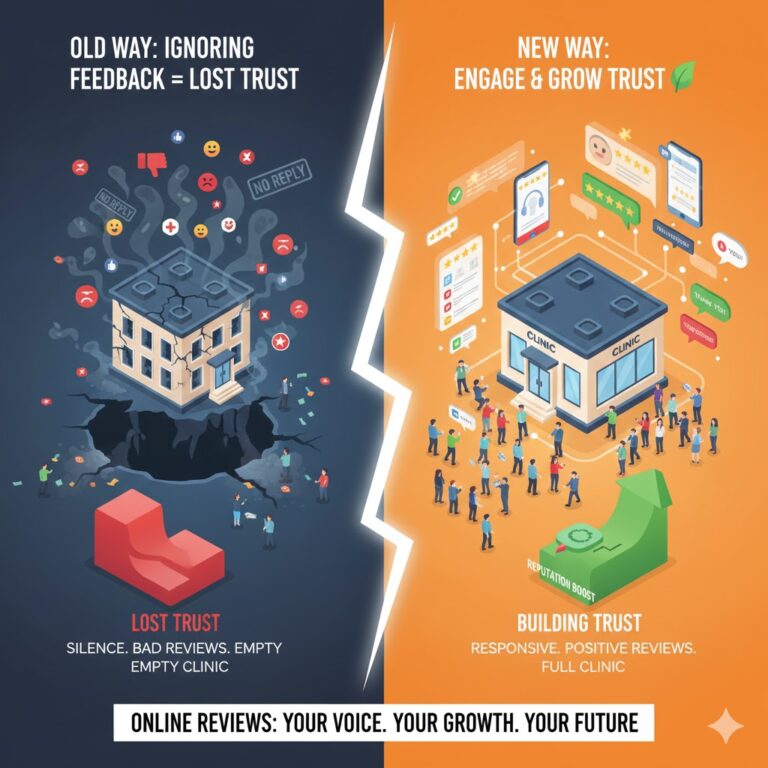
1. What they say online shapes how others see your clinic before they ever visit
People now check reviews before booking appointments with doctors. A study shows that 84% of patients trust online reviews as much as personal recommendations. When someone searches for a clinic in their area, they read what others have said. They look at ratings on Google and Facebook. They scroll through comments about waiting times, staff behavior, and treatment results.
Your potential patients are reading stories from people who already visited your clinic. These stories create the first impression. If current patients praise your service, new patients feel confident. If they complain and see no response, new patients worry. They wonder if you care about patient experience.
Most people never contact a clinic after reading bad reviews with no replies. They assume the clinic does not value feedback. They move on to another doctor who seems more responsive. This happens before you even get a chance to explain your side.
Online feedback creates a picture of your clinic in the minds of strangers. This picture forms before they meet you or see your facility. If you ignore what patients say online, you lose control of that picture. Other people paint it for you, and you cannot change it later.
The conversation about your clinic happens with or without you. Your patients share their experiences on social media, review sites, and community groups. They talk about long waits, helpful staff, clean rooms, or outdated equipment. These conversations influence dozens of potential patients every month.
Doctors who view these conversations understand what matters to their community. They learn which services patients appreciate most. They discover small problems before they become big complaints. They build relationships with people who have never stepped into their clinic.
Your online presence is no longer optional. Patients expect to find you on the internet. They expect to see how you treat people who leave feedback. They judge your professionalism by how you communicate online. Ignoring this reality means losing patients to competitors who pay attention.
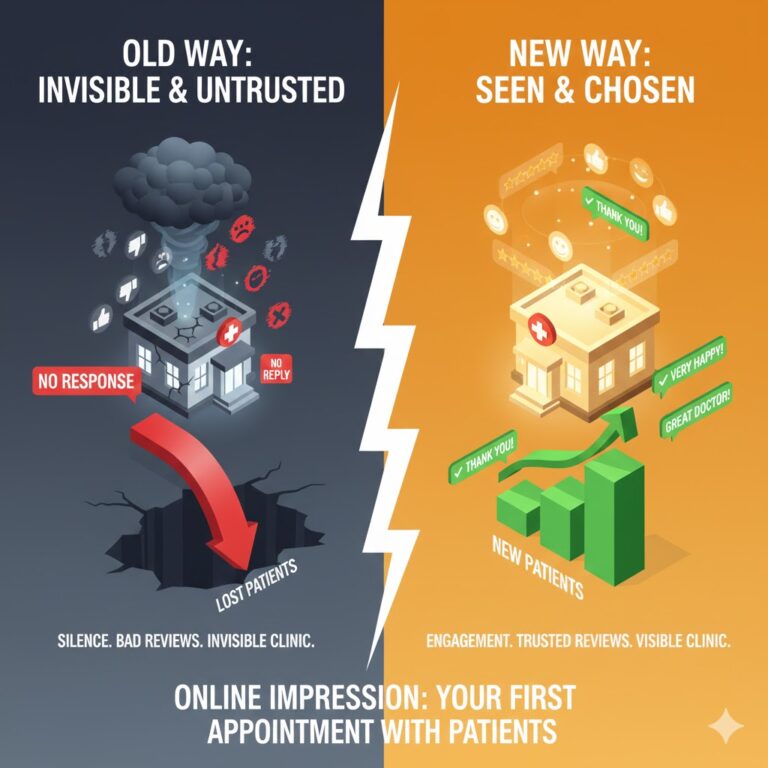
2. Feedback Is Free Advice, Not Criticism
Patient feedback gives you information that you cannot get anywhere else. It shows you the real experience from the patient’s point of view. You might think your clinic runs smoothly, but patients notice different things. They see gaps that you miss because you work there every day.
A negative review about long waiting times tells you something important. Maybe your appointment scheduling needs improvement. Maybe you need more staff during peak hours. Maybe patients need better communication about delays. This information helps you fix problems that drive patients away.
Positive reviews are valuable too. They highlight what makes your clinic special. Patients mention friendly staff, clean facilities, or clear explanations from doctors. These are your strengths. You can build your reputation around these points. You can train your team to maintain these standards.
Reviews cost you nothing but give you data worth thousands. Market research companies charge large amounts to collect patient opinions. But reviews come to you for free. Patients voluntarily tell you what works and what needs change. They give you honest feedback without being asked.
Many doctors feel hurt when they read negative comments. They take it personally. But reviews are not personal attacks. They are opportunities to improve. A patient who complains about rude behavior at the reception desk is helping you. They point out a training need for your front desk staff.
Some reviews mention specific incidents that you can investigate. A patient says they received wrong medication information. You can check your records and improve your processes. You can prevent the same mistake from happening again. This protects future patients and your reputation.
Even unfair reviews teach you something. They show you what misconceptions people have about your services. They reveal communication gaps. Maybe you need to explain procedures more clearly. Maybe your pricing needs better transparency. These insights help you serve patients better.
Doctors who view feedback as free consultation improve faster than others. They use reviews to make smart decisions about staff training, facility upgrades, and service improvements. They turn patient opinions into action plans. This approach makes their clinics better year after year.

3. Silence Looks Like You Don't Care
Picture this scenario in your mind. A patient walks into your clinic and tells you about a problem. You look away and say nothing at all. How does that feel to the patient sitting right there? They will think you do not care about them at all.
The same thing happens when you ignore reviews and comments online. New patients read what others say about your clinic every single day. They look at the good reviews and the complaints too. But they look at one more thing very carefully. They check if you responded or stayed completely silent.
When you do not reply to feedback, people notice that silence. They start to wonder why you never said anything back. A small complaint about waiting time suddenly feels like a big problem. A confused question about your clinic hours makes people think you hide something. Your silence makes every issue look much worse than it is.
Research shows that 89 out of 100 people read online reviews before picking a doctor. That is a huge number of potential patients checking you out. And 53 out of 100 people expect a response within one week. When they see you never replied to anyone, they feel nervous. They worry that you will treat them the same way if they have a problem.
Think about two clinics in the same neighborhood with similar services. One clinic replies to every review with care and attention. The other clinic never says a single word to anyone online. Which one feels more trustworthy to a worried parent looking for their child? Which one seems like they actually care about helping people?
Your silence sends a very clear message to everyone watching. It tells them that patient opinions do not matter to you. It makes them think you are too busy or too proud. Some people even wonder if the negative reviews must be true since you never defended yourself.
New patients are already nervous about choosing a doctor or clinic. They want to feel safe and heard before they book an appointment. When they see unanswered complaints from months ago, that worry grows bigger. They think about what could go wrong during their own visit. They imagine being ignored like those other patients online.
The worst part is that one ignored review affects many future patients. That single unanswered complaint sits there for months and years. Hundreds of people read it and feel the same doubt. They all wonder why nobody from your clinic ever cared enough to respond.
Your competitors are watching too. The clinic down the street replies to every comment with kindness. They thank happy patients and solve problems for upset ones. While you stay silent, they are building trust with every single response. Guess where new patients decide to go?
Ignoring feedback also hurts your existing patients who took time to write. They shared their experience because they wanted to help you improve. When you never acknowledge their effort, they feel disappointed. Some of them might not come back again. They tell their friends and family about being ignored too.
Small problems become big stories when nobody addresses them properly online. A patient complains about parking space near your clinic. You ignore it completely. Now every person reading that review thinks parking is terrible. They might choose another clinic to avoid that imagined hassle. One simple reply could have explained the situation and saved those patients.
The good news is that silence is easy to fix. You do not need fancy words or long explanations. A short and genuine response changes everything in seconds. It shows you are present and you care about every patient. It proves that your clinic listens and improves based on real feedback.
Remember that people are not looking for perfect clinics with zero complaints. They know problems happen everywhere in life. What they want is a clinic that pays attention and tries to make things better. Your response matters more than the complaint itself most of the time.
When you break your silence and start responding, something amazing happens. New patients see a caring team behind the clinic name. Current patients feel valued and appreciated for speaking up. Even upset patients calm down when someone finally hears them out. Trust starts building one response at a time.
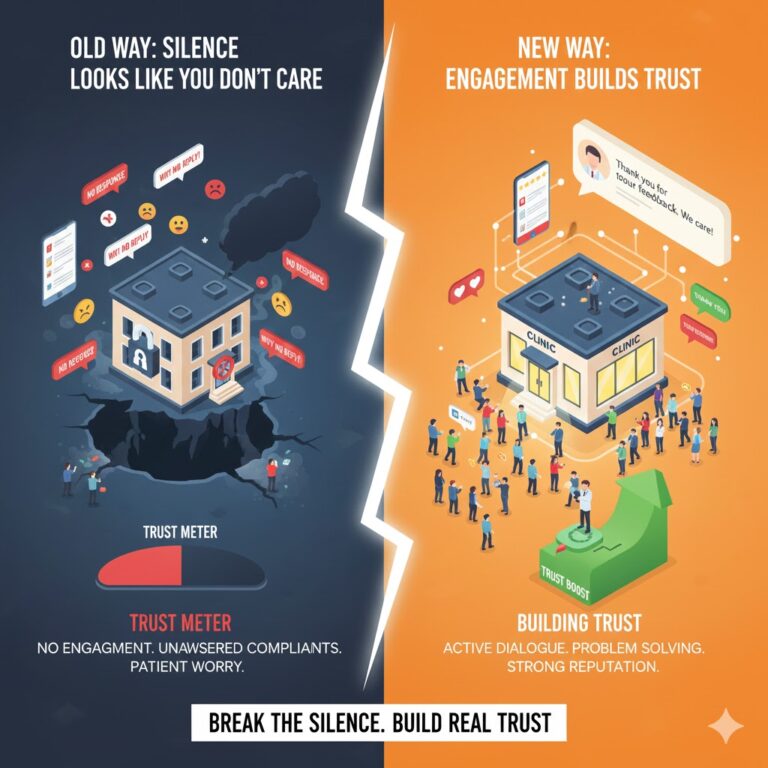
4. When You Respond Fast, Patients Feel Valued and Seen
Imagine someone walks into your clinic and asks a question. You smile and answer them right away. That person feels heard. They feel important. Now think about online reviews the same way. When a patient leaves feedback on Google or Facebook, they are talking to you. If you reply quickly, they know you are paying attention. They feel respected.
Studies show that 89% of people read how businesses respond to reviews before booking an appointment. Your response matters more than you think. A simple thank you can turn a happy patient into a loyal one. A calm and helpful reply to a negative comment can change someone’s mind completely.
Let me share something interesting. Research from Harvard Business Review found that responding to customer feedback increases trust by 33%. That means one out of three people who read your reply will trust you more. For a clinic, that can mean more appointments and better reputation in your area.
When you ignore a review, people notice. They wonder if you care about your patients at all. But when you take two minutes to write a kind response, you show the world that you are listening. You show that every patient matters to you. New visitors see that and feel safer choosing your clinic over others.
Your reply does not need to be long or fancy. Keep it simple and warm. If someone says thank you for good treatment, reply with something like this. “Thank you so much for your kind words. We are happy we could help you feel better. We look forward to seeing you again.” That is enough. It feels personal and real.
Now what if the review is negative. Maybe a patient complained about long waiting times or rude staff behavior. Do not panic. Do not ignore it. Reply calmly and professionally. Say something like this. “We are sorry you had this experience with us. We always try to serve our patients better. Please call us so we can understand what happened and fix it.” This shows you care about solving problems. Other people reading this will respect your honesty.
A survey by BrightLocal in 2023 found that 97% of consumers read responses to reviews. That is almost everyone. They want to see how you handle both praise and complaints. Your response tells them more about your character than the review itself. If you stay polite and helpful, they will trust you even after reading something negative.
Speed also matters a lot. Try to reply within 24 to 48 hours. Quick responses show that you are active and attentive. People feel like you are present and available. Delayed replies make them think you do not check your online presence often. That can hurt your image.
Your online replies also help build a community feeling. When patients see you engaging with others, they feel connected. They start seeing your clinic as a place that values relationships and not transactions. This emotional bond keeps them coming back for years.
Data from Podium shows that businesses responding to reviews see a 12% increase in revenue. For clinics, that could mean dozens of new patients every month. All because you took a few minutes to type a thoughtful reply. The return on investment is huge and the effort is small.
Let me tell you about a real scenario without naming anyone. A small clinic in Pune started replying to every single review they got. Within three months, their Google rating went from 3.8 to 4.6 stars. New patient bookings increased by 40%. They did not spend extra money on ads. They showed up online and responded with care. That is the power of engagement.
Sometimes doctors feel too busy to reply. They think they do not have time for social media. But here is the truth. You do not need to spend hours on this. Set aside 10 minutes every morning or evening. Check your reviews and reply. Make it part of your routine like checking patient files or inventory. Small consistent effort brings big results over time.
Your tone matters as much as your words. Always sound friendly and professional. Avoid being defensive or angry even if the review feels unfair. People are watching how you behave under pressure. A calm and kind reply proves you are mature and trustworthy. Losing your temper online can damage your reputation in seconds.
Remember that every reply you write is visible to hundreds or thousands of people. It is free marketing for your clinic. You are showing your values and your personality without spending a single rupee. Use this opportunity wisely. Be genuine and be yourself. Patients can tell when someone is being fake or robotic.
Another important point is personalization. Do not copy and paste the same reply for everyone. That looks lazy and insincere. Mention something specific from their review. If they praised your assistant by role, acknowledge that. If they mentioned a specific treatment, refer to it. This small detail makes your reply feel real and thoughtful.
Patients also love when doctors admit mistakes. If something went wrong, own it. Say you are sorry and explain how you will prevent it next time. This honesty builds incredible trust. Nobody expects perfection. But everyone appreciates accountability and a willingness to improve.
Think about your own behavior as a customer. When you leave a review for a restaurant or a shop, do you feel good when they reply. Of course you do. You feel noticed and appreciated. Your patients feel exactly the same way. Give them that experience and they will reward you with loyalty and referrals.
Online feedback is not going away. In fact, it is growing every single day. More people are sharing their experiences on platforms like Practo, Google, and Facebook. As a doctor, you must be part of this conversation. Staying silent is no longer an option if you want to grow your practice and earn lasting trust.
Clickniti understands how busy healthcare professionals are. We help clinics manage their online reputation without stress. Our team monitors reviews across all platforms and helps you craft smart responses. We turn feedback into growth opportunities. You focus on patient care while we handle your digital presence. Let us help you build trust one reply at a time.
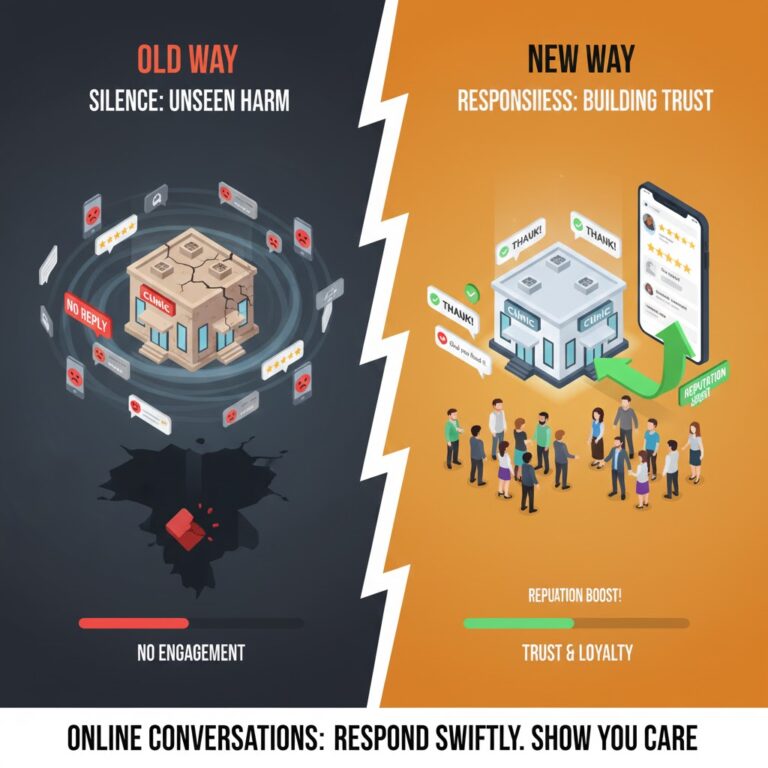
5. One Good Response Can Save Ten Lost Patients
When someone leaves a negative review about your clinic, hundreds of other people are watching. They want to see what you will do next. Most patients care less about one person’s bad experience. What they care about is how you respond to that experience.
A single thoughtful reply can change everything. It shows that you take patient concerns in a serious manner. It proves that you are willing to listen and improve. When potential patients see you responding with care and respect, they feel safer choosing your clinic. They know that if something goes wrong, you will be there to fix it.
Think about the last time you read reviews before trying a new restaurant or buying something online. You probably saw a few negative comments. But if the owner responded calmly and tried to help, you likely felt better about giving them a chance. The same thing happens with healthcare. Patients are more forgiving than you think. They understand that mistakes happen. What they cannot forgive is being ignored.
Let me share a real example. A clinic received a review saying the wait time was too long. The doctor could have ignored it. Instead, she replied within a few hours. She thanked the patient for sharing their experience. She explained that they had an emergency case that day. She also mentioned they were working on better appointment scheduling. That one reply stopped the negative review from scaring away new patients. In fact, several people later said they chose that clinic because of how the doctor handled the situation.
Now imagine the opposite. If you ignore a complaint, people assume you do not care. They think that if they visit your clinic and face a problem, you will ignore them too. One ignored review can make ten potential patients choose another clinic. They may never tell you why. They will quietly book an appointment somewhere else.
Responding does not mean you have to agree with every complaint. Sometimes patients misunderstand what happened. Sometimes their expectations were unrealistic. But even in those cases, a calm and polite reply helps. You can explain your side without being defensive. You can offer to discuss the matter privately. This shows maturity and professionalism.
Your response also sends a message to your existing patients. When they see you taking feedback seriously, they feel more valued. They know their opinions matter. This builds loyalty. Patients who feel heard are more likely to return and recommend your clinic to others.
Handling feedback well is not about damage control. It is about showing your values. It tells people that you care about more than treating illnesses. You care about the whole patient experience. You want people to feel comfortable and respected from the moment they walk in until the moment they leave.
Many doctors worry that responding to negative reviews will make things worse. They fear that engaging with an angry patient online might lead to more arguments. But this rarely happens when you respond with empathy and a genuine desire to help. Most patients want to feel heard. Once you acknowledge their concern, the tension usually fades.
The key is to respond quickly. Do not wait days or weeks. A fast reply shows that you are actively managing your online presence. It shows that patient satisfaction is a priority for you. Even a simple thank you for positive feedback goes a long way. It takes less than a minute but leaves a lasting impression.
Remember that your online reputation is working for you around the clock. When you are sleeping, people are reading reviews about your clinic. They are forming opinions based on what they see. Every unanswered complaint is a missed opportunity to win their trust.
One good response can save ten lost patients. It can turn a potential crisis into a chance to shine. It can transform a critic into a supporter. All it takes is a few minutes and a willingness to engage. The return on that small investment is enormous. You keep patients who might have gone elsewhere. You attract new patients who respect how you handle challenges. And you build a reputation as a doctor who truly cares.
So the next time you see feedback about your clinic, do not ignore it. Take a deep breath. Think about what you want to say. Then respond with kindness and professionalism. Your future patients are watching. Show them why they should trust you with their health.
6. Turn Feedback Into Growth
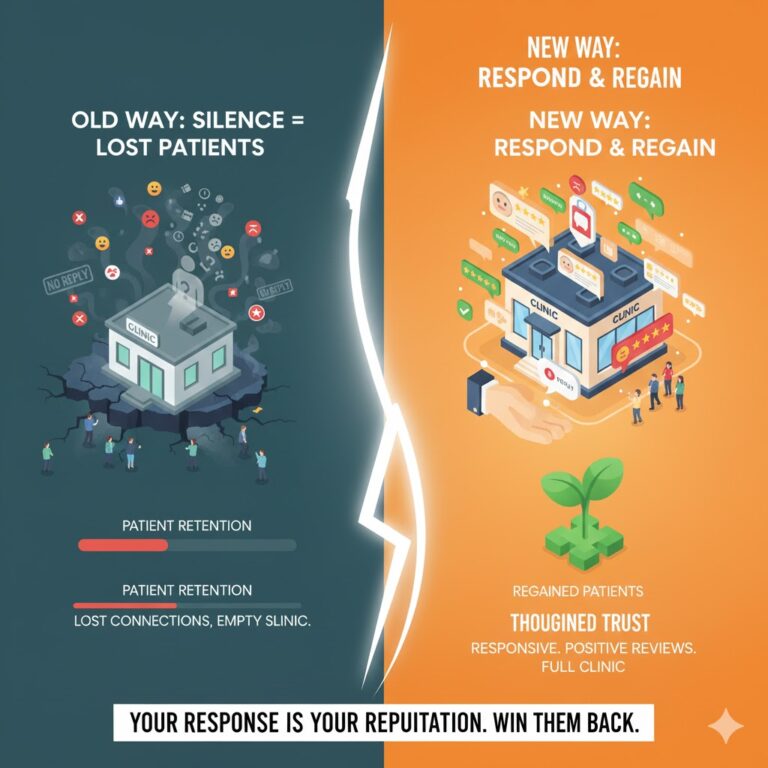
Your patient reviews tell you things your staff might never say out loud. Someone mentions your reception feels rushed. Another person says the waiting time was too long. A third patient loves how your nurse explained everything clearly. These are not just comments. They are instructions for making your clinic better.
Think of reviews as a free report card. You get to see what makes patients happy. You also learn what drives them away. Most clinics only read reviews and forget about them. Smart clinics use them to train their team and fix problems fast.
When patients say good things about a particular doctor or staff member, share it with your team. It boosts morale. Everyone feels valued when their hard work gets noticed. When feedback points out a problem, you can solve it before it becomes bigger. Maybe your appointment system needs work. Maybe your staff needs better training in patient care.
Reviews also help you understand what services patients want most. If ten people ask about physiotherapy or diabetes management, you know there is real demand. You can add new services based on what your actual patients need. This is much better than guessing.
Your positive reviews become powerful marketing tools. New patients trust other patients more than they trust your advertisements. When someone reads five reviews praising your care, they feel confident about booking an appointment. Use these reviews on your website and social media. Show real stories from real people who got real results.
Responding to feedback publicly shows new visitors that you care. When they see you thanking patients or solving complaints, they think this clinic actually listens. This builds trust before they even call you. Trust brings more bookings. More bookings mean your clinic grows.
Some clinics feel scared of negative reviews. But handled well, a negative review can actually help you. When you reply calmly and offer to fix the issue, people see you as professional. They notice you take responsibility. This earns respect. Many patients give you a second chance when they see you truly care about improving.
Your feedback also helps you compete with bigger hospitals. Large hospitals often ignore individual complaints. You can win patients by being the clinic that actually listens and changes. Personal attention matters more than fancy equipment to most patients.
Start a simple system today. Read all new reviews every week. Write down common issues. Discuss them in team meetings. Create action plans. Follow up to see if changes work. Track how many complaints drop over time. This turns random feedback into structured growth.
Patient feedback costs you nothing but gives you everything. It improves your service quality. It trains your staff better. It attracts more patients naturally. Clinics that listen grow faster than clinics that ignore. Your reputation gets stronger with every response and every improvement you make.
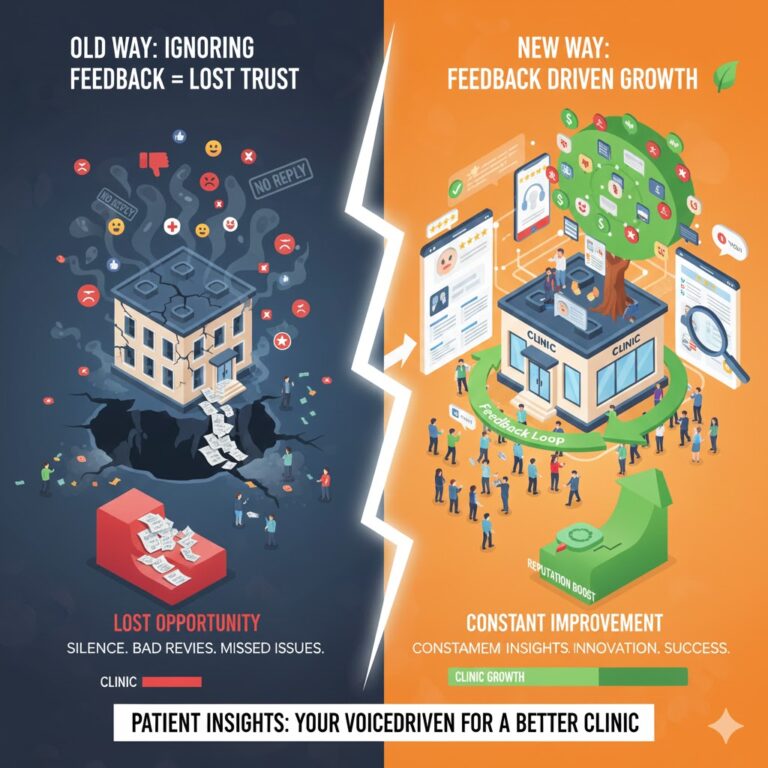
Clickniti Helps You Stay on Top of Your Reputation
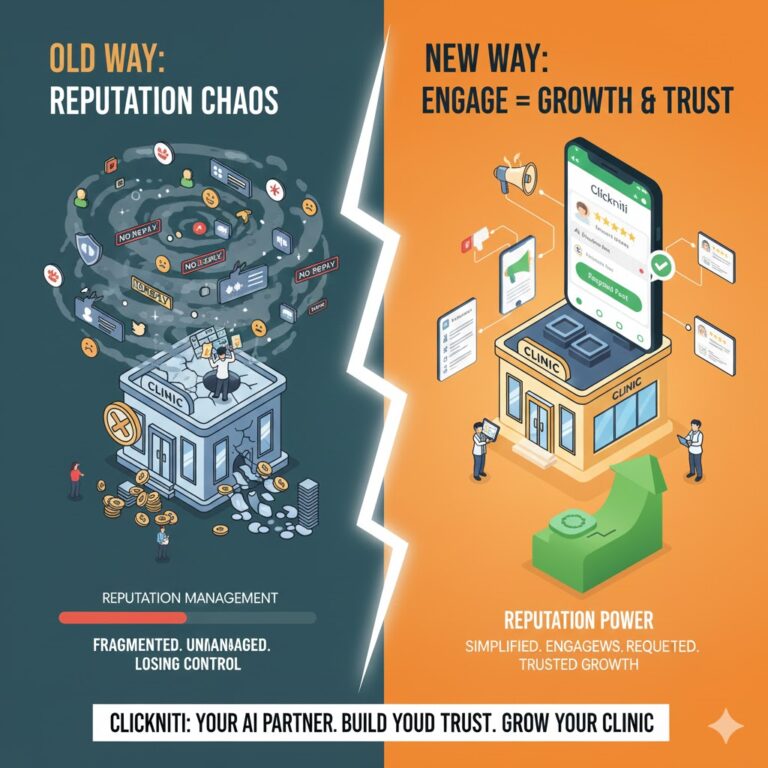
Managing your online reputation can feel like a full time job. You have patients to treat and staff to manage. You have a clinic to run every single day. Finding time to check every review site becomes very hard. This is where Clickniti steps in to help you.
We know that doctors need a simple way to handle patient feedback. Our platform brings all your reviews from different websites into one place. You can see what patients say about your clinic without visiting many sites. This saves you hours every week. You stay informed about your reputation without any extra effort.
When a new review appears, we tell you right away. You can read it and respond fast before things get worse. Fast responses show patients that you care about their opinions. Our system helps you reply in a nice and caring way. We give you ready templates that you can change based on the feedback.
Good reviews need attention too. When patients praise your service, a simple thank you matters a lot. Our platform reminds you to thank these happy patients. This builds stronger bonds with people who might tell their friends about you.
Bad feedback needs careful handling. We help you write responses that fix concerns without sounding rude. Our method focuses on showing care and offering help. When other people see how you handle complaints, they trust your clinic more.
Clickniti also gives you reports that show patterns in patient feedback. You can find common problems about wait times or staff behavior or clean rooms. These details help you make real changes in your clinic. When you fix problems that patients mention, your ratings get better over time.
Our team watches your online presence on big platforms like Google and Facebook. We also check healthcare review sites. We tell you about unusual activity or sudden rating drops. This early warning protects your reputation before small problems become big ones.
We also help you ask happy patients to leave reviews. Many satisfied patients never think to share their experience online. Our system sends gentle reminders through messages or email after appointments. More good reviews push old bad ones down in search results.
Building trust online needs regular work. Clickniti handles the hard parts while you focus on treating patients. We make reputation management simple and easy to measure. Our clients usually see better ratings within three months of working with us.
Your online reputation affects how many new patients book appointments with you. Studies show that 84 out of 100 people trust online reviews like personal recommendations. When your clinic has good reviews and active responses, more people choose you over others.
Spending money on reputation management through Clickniti pays back quickly. More good reviews mean more patient calls and bookings. Better ratings improve your visibility on Google search. This creates a cycle where good reputation brings more patients. More happy patients leave better reviews.
We give you monthly reports showing how your online reputation has improved. You can see the number of new reviews and response rates. You can track rating changes too. These numbers prove that managing feedback creates real results for your clinic.
Clickniti works with clinics of all sizes across India. You might run a small practice or a big hospital. Our tools work for your needs. We train your staff so everyone knows how to handle online feedback the right way.
Your reputation is too important to ignore. Every review without a response is a lost chance to build trust. Every complaint left alone becomes a warning for new patients. Clickniti makes sure your online presence shows the quality care you give inside your clinic.
Let us help you turn patient feedback into your biggest strength. Contact Clickniti today and start building the trusted reputation your clinic needs. Your future patients are reading reviews right now. Make sure they see a clinic that listens and cares and responds.
FAQs-
Yes, it does. Most new patients check reviews before booking. A few kind replies or a quick thank-you can make your clinic look warm and reliable even more than ads.
Don’t panic. A calm, polite reply helps more than you think. Say sorry for the experience, thank them for sharing, and promise to look into it. People respect honesty and effort.
Ideally, yes. Even a short “Thank you for visiting us” shows patients you value them. It keeps your page active and builds real trust.
Absolutely. When people see that you care and respond, they feel safe choosing your clinic. Trust brings appointments and appointments bring revenue.
That’s okay. Clickniti helps manage this for you. We monitor your feedback, write warm, genuine replies, and alert you when something needs personal attention.
That’s risky. Ignoring reviews makes people feel you’re not listening. Even one unanswered complaint can make new patients think twice before booking.
When patients trust you, they book faster, cancel less, and recommend your clinic. That means your ad money works better because people believe what they see and read.
We track every review across Google, Practo, and social pages. Then, we guide or handle replies in your tone in a kind, calm, and professional way, turning feedback into free marketing.