class="archive paged category category-healthcare-marketing category-1 wp-custom-logo wp-embed-responsive paged-2 category-paged-2 wp-theme-generatepress ehf-template-generatepress ehf-stylesheet-generatepress right-sidebar nav-float-right separate-containers header-aligned-left dropdown-hover elementor-default elementor-kit-797" itemtype="https://schema.org/Blog" itemscope>

First Impressions Online: Why Patients Skip Your Clinic Profile

First Impressions Online: Why Patients Skip Your Clinic Profile Do you know that Patient Search Doctors Online? Something has changed in how patients find doctors today. They do not walk into a clinic anymore without doing homework first. They look you up on their phone. They read what others say about you. They check your pictures and timing. All this happens before they even think about calling you. This is your real first meeting with patients now. Not when they sit in your waiting room. Not when they shake your hand. It happens when they see your profile on Google or Practo or any other website. That screen on their phone decides if they will ever meet you or not. 84 out of 100 patients check online reviews before picking a new doctor. Think about that number for a moment. Your profile gets looked at and judged by patients you have never met. They make their choice in seconds. If what they see looks good, they call. If it looks weak or messy, they move to the next doctor without thinking twice. 73 out of 100 patients use reviews to choose their healthcare provider. This tells us something important. Reviews matter more than your degree on the wall. They matter more than how many years you have been practicing. Patients trust what other patients say about you. Here is another fact that might surprise you. Only 64 out of 100 people said their healthcare experiences last year were very good or good. This is the lowest number we have seen in recent years. Patients are not happy. They are looking for doctors who seem better. They want to feel sure before they book an appointment. The world of healthcare has changed fast. Patients now act like shoppers. They compare doctors the same way they compare restaurants or hotels. They read comments. They look at stars. They want to see real photos of your clinic. They want proof that you are good at what you do. Your online profile is no longer a small detail. It is now the main door to your practice. When your profile looks empty or old or confusing, that door stays closed. Patients keep scrolling. They pick someone else. You lose them before they even know your name. This happens every single day across India. Good doctors who have years of training and skill lose patients because their online profile looks weak. The problem is not your medical knowledge. The problem is how you show up online. Most doctors think that being good at medicine is enough. That patients will find them somehow. But that old way does not work anymore. Patients today expect clear and upfront information about procedures, costs, and outcomes. If they cannot find this on your profile, they will go to a doctor who makes it simple for them. Your competition is not down the street anymore. It is on the same screen as you. When a patient types “good doctor near me” on their phone, many names show up. All these doctors are fighting for the same patient. The one with the better profile wins. The rest get skipped. Understanding this change is the first step to fixing your patient problem. Your profile is not about showing off. It is about making patients feel safe and sure about choosing you. It is about giving them the information they need to trust you even before meeting you. In the next sections, we will break down what makes patients skip a profile and what makes them stop and book an appointment. We will talk about real problems with real solutions. No fancy words. No complex ideas. Simple fixes that work for doctors in India who want more patients walking through their doors. 1. Your First Impression Happens Online, Not in the Clinic Before They Walk In, They’ve Already Decided About You When a patient needs a doctor, where do they go first? They do not call you. They do not ask their neighbor. They open their phone and search online. This is where your first meeting happens. Not when they walk into your clinic. Not when they shake your hand. 73 out of 100 patients make their choice based on what they see online. This happens before they meet you. Before they see your clinic. Before they know how good you are at treating patients. Your online profile makes this choice for them. Most doctors think the real meeting starts in the clinic. But that meeting is too late. By that time, the patient has seen 5 other doctors online. They have compared profiles. They have read reviews. They have looked at photos. If your profile looks weak, they move to the next doctor. You never get the chance to show them your skills. 84 out of 100 patients trust what they read in online reviews as much as advice from their friends. When was the last time you checked your online profile? When did you update your photo? When did you respond to a review? If you cannot remember, you are losing patients every single day. Most Doctors Are Invisible Where Patients Are Looking Patients want to book online 43% of the time. But most clinics do not offer this. Your phone number sits on your profile. Nobody calls anymore. They want to click and book. When they cannot do this, they pick another doctor who makes it simple. Here is what happens when a patient searches for a doctor near them. They see a list of names. Each name has a photo. Each name has a star rating. Each name has some basic information. All this loads in less than 2 seconds. In those 2 seconds, they decide if you are worth their time. This is the reality doctors face. Your degree does not show up in those 2 seconds. Your years of experience do not matter yet. Your clinic does not impress them. What matters is what they see … Read more
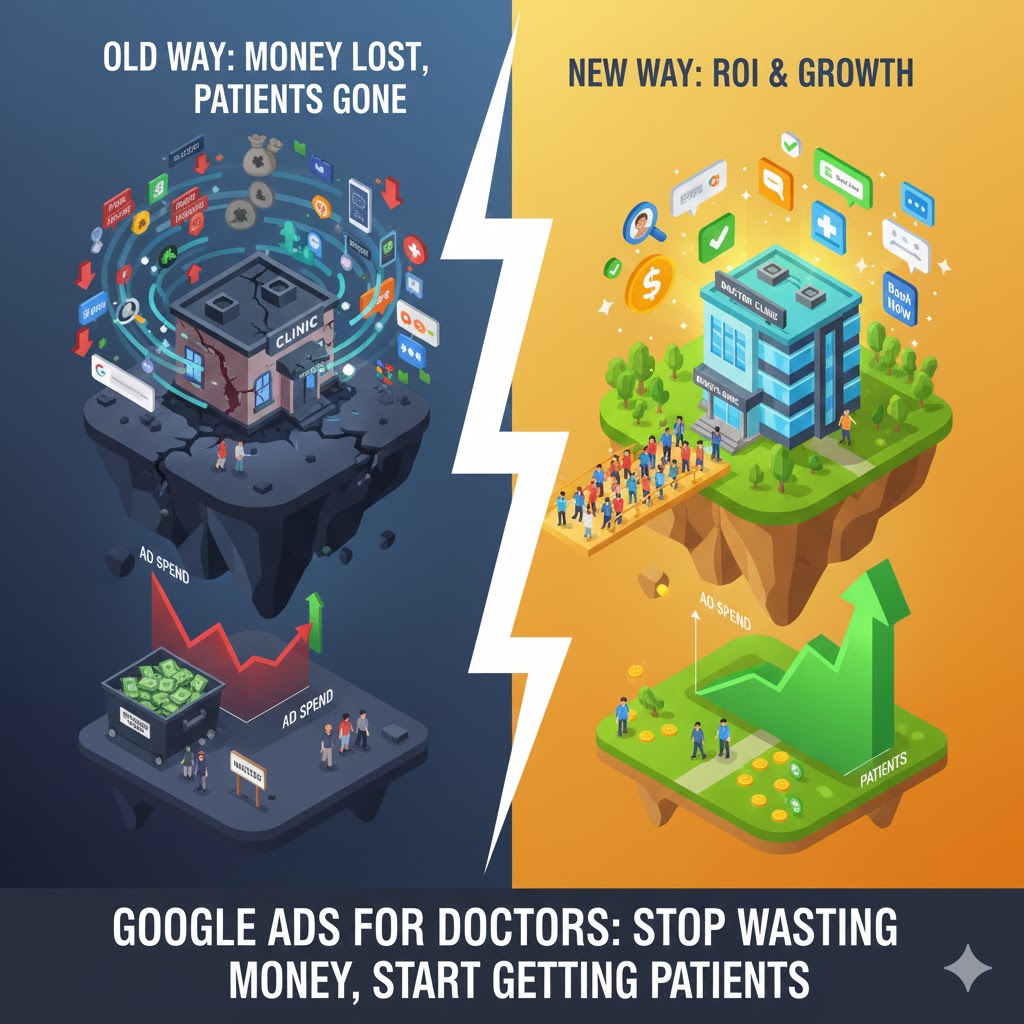
Why Doctors Lose Money on Google Ads (And How to Get ROI)

Why Doctors Lose Money on Google Ads (And How to Get ROI) You spend money on Google Ads every month. You see clicks coming in. But where are the patients? This is the reality for most doctors and clinics in India today. Google Ads promises more patients. More calls. More appointments. But what you get instead are bills that keep growing and waiting rooms that stay empty. You are not alone in this struggle. Every month, doctors across India put lakhs of rupees into Google Ads. Many see their money disappear with little to show for it. Studies show that a large part of ad spending gets wasted in many Google Ad accounts. The clicks come in. The meter runs. But appointments do not follow. Your clinic deserves better than this. Most doctors start Google Ads with high hopes. A medical representative or marketing agency tells them it will bring 50 new patients next month. They set up a campaign. They choose some keywords. They write an ad. Then they wait. Week one goes by. A few clicks. No calls. Week two arrives. More clicks. One inquiry. No booking. By week three, the budget is half gone. The frustration is real. By month end, you are left wondering if Google Ads even works for doctors. The problem is not Google Ads. The platform works fine for thousands of clinics worldwide. Healthcare digital advertising is growing because it provides targeted and measurable results. The problem is how most doctors use Google Ads. Three big mistakes happen again and again. First, clinics target the wrong people. Your ad shows up for searches that have nothing to do with your practice. Second, there is no clear plan. Nobody knows what the goal is or how to measure success. Third, the follow up is slow or missing. A patient shows interest, but by the time you respond, they have already booked with another doctor. These mistakes are common. They are also fixable. When you fix them, Google Ads becomes a patient machine. Every rupee you spend brings back two or three in return. Your waiting room fills up. Your phone rings with genuine appointment requests. Your clinic grows. This guide will show you exactly why your ads fail and how to fix them. You will learn the mistakes that drain your budget. You will discover the strategies that bring real patients through your door. You will understand how to track results so you know what works. No complex marketing terms. No confusing tech talk. No fluff. What you will get are clear answers written for doctors who want real results. By the end, you will know how to turn your Google Ads into a growth tool instead of a money drain. Your competition is already doing this. Other clinics in your city are getting patients from Google Ads right now. They are smart. They track everything. They follow up fast. You can do the same. You can stop wasting money and start getting real returns. It starts with understanding what goes wrong and how to make it right. 1. Why Your Google Ads Are Not Bringing Patients You started Google Ads because you wanted more patients. You wanted your clinic to grow. You wanted the phone to ring more often. But that is not happening. Instead, you are watching money leave your account every day. The clicks keep coming. But your waiting room stays empty. This is the reality for most doctors who try Google Ads alone. You Pay For Clicks That Lead Nowhere Every time someone clicks your ad, you pay Google. Sometimes 50 rupees. Sometimes 200 rupees. Sometimes even more. Research shows that healthcare clicks can cost between 100 to 400 rupees per click in major Indian cities. That adds up fast. You check your Google Ads account. It shows 100 clicks this week. That means you spent maybe 15,000 rupees or more. But how many patients called? How many booked appointments? Maybe two. Maybe none. This is what we call wasted clicks. People click your ad. They visit your website. Then they leave. They never call. They never book. Your money is gone. But you got nothing in return. Most doctors tell us they lose 60 to 70 percent of their ad budget this way. They pay for traffic that does nothing for their practice. Your Ads Reach The Wrong People Google shows your ad to people who search certain words. But not everyone who searches is your patient. Let me give you an example. A dentist in Mumbai ran ads for “tooth pain treatment.” Sounds good, right? But here is what happened. Students doing homework clicked the ad. People looking for home remedies clicked the ad. Even other dentists researching clicked the ad. These people were never going to become patients. But the dentist paid for every single click. This happens because your ad settings are too wide. Google shows your ad to anyone who might be interested. Not to people who are ready to visit a doctor. You end up paying for curiosity clicks. Not patient clicks. Another doctor we spoke with ran ads for “diabetes care.” His ad showed up for people searching “diabetes diet chart” and “diabetes causes.” These searchers wanted information. They did not want to book an appointment. But he paid for those clicks anyway. Wrong audience means wrong results. Your ad budget goes to people who will never walk through your door. You Have No Plan And No Goals Most clinics start Google Ads without a clear plan. They think putting money in will bring patients out. But that is not how it works. Before you spend even one rupee, you need to answer these questions: What do you want from these ads? More phone calls? More appointment bookings? More people visiting your website? How many new patients do you need each month? What is one new patient worth to your practice? Which services make you the most money? Should you promote general … Read more

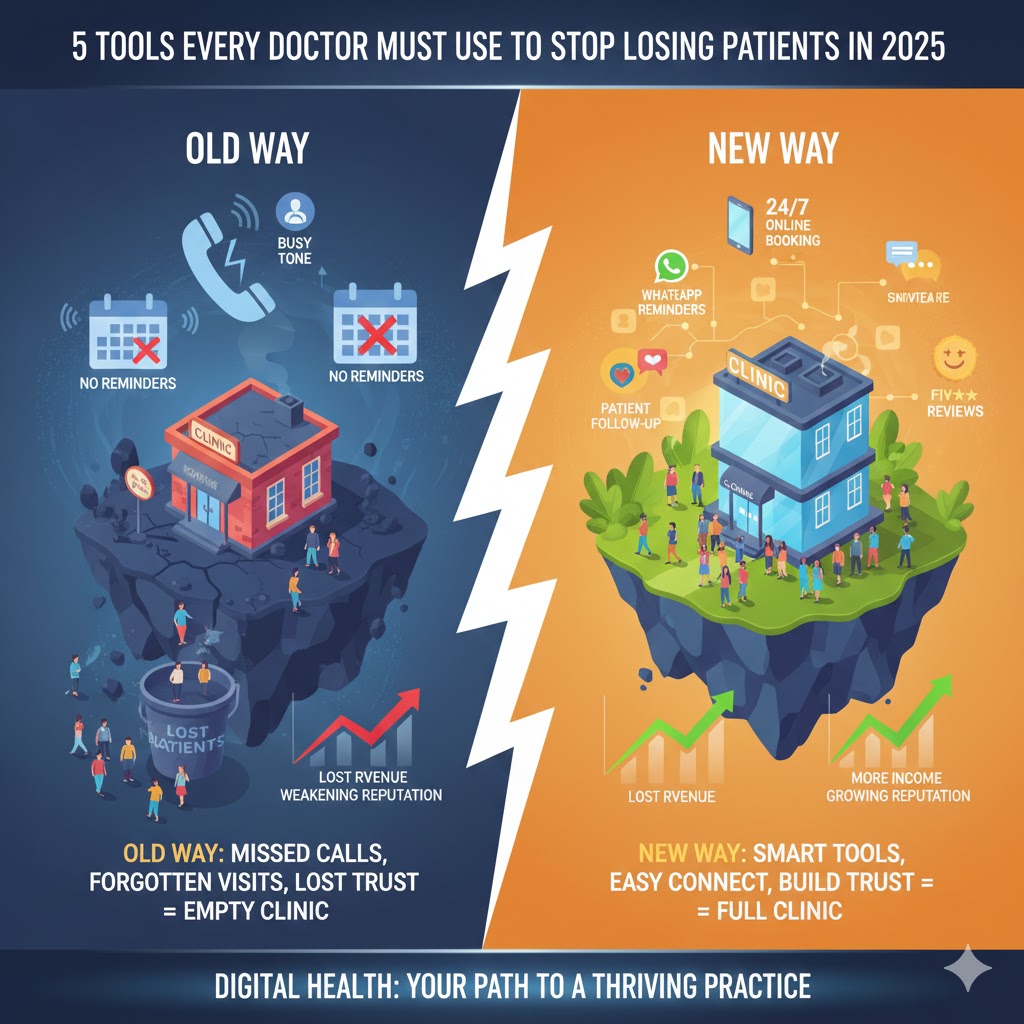
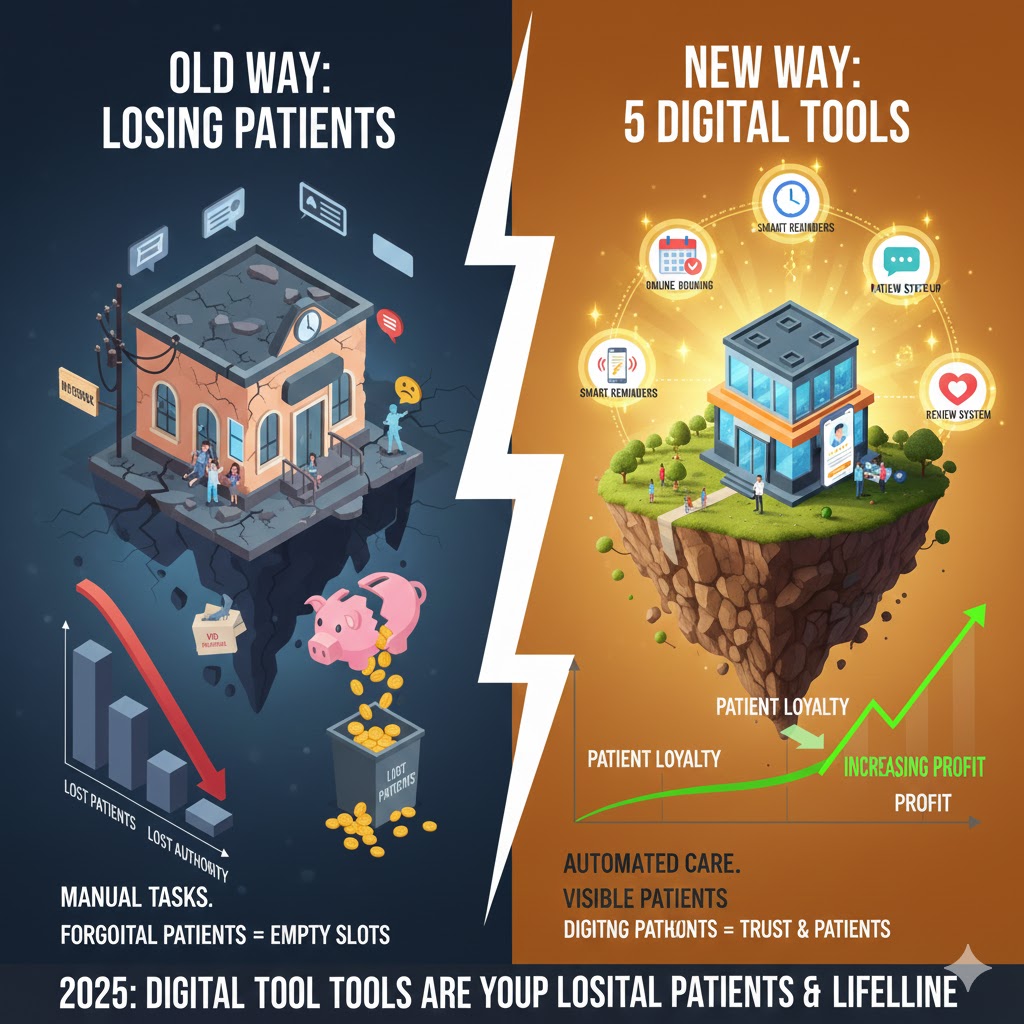
5 Tools Every Doctor Must Use to Stop Losing Patients in 2025

doctors

5 Tools Every Doctor Must Use to Stop Losing Patients in 2025 Every week, your clinic loses patients. Not because of bad treatment. Not because of high fees. They leave because staying connected feels too hard. A patient needs a follow-up appointment. She calls your clinic three times. Nobody picks up. She gives up and finds another doctor. Another patient forgets his appointment date. No reminder comes. He misses the visit. He feels embarrassed to call back. One more patient recovers after surgery. Nobody checks how she’s doing. She feels forgotten. Next time, she tries a different clinic. The Cost of Losing Patients Adds Up Fast When patients stop coming back, your practice suffers. Empty appointment slots mean less income. Your reputation weakens when patients switch to competitors. Research shows that keeping an existing patient costs five times less than finding a new one. Yet most clinics spend all their energy attracting new patients. They forget about the ones they already have. Indian healthcare data reveals something alarming. About 40% of patients never return after their first visit. They don’t complain. They don’t give feedback. They simply disappear. The Real Problem Is Not Your Medical Skills You are a good doctor. Your patients get better under your care. The problem is everything that happens outside the treatment room. Booking an appointment feels difficult. Getting reminders never happens. Follow-up care gets forgotten. Sharing feedback seems impossible. These small gaps push patients away slowly. One missed call here. One forgotten follow-up there. Over months, your patient list shrinks. Technology Can Fix What Your Staff Cannot Your team works hard already. They answer phones. They manage files. They handle billing. Adding more tasks will only burn them out. This is where smart digital tools come in. They handle the boring, repetitive work. Your staff focuses on caring for patients face to face. These tools work 24 hours a day. They never take breaks. They never forget. They cost less than hiring more people. Five Simple Tools That Change Everything The right digital tools stop patients from slipping away. They keep your schedule full. They make your clinic run smoother. They help you earn more without working harder. In 2025, these five tools are not optional anymore. They are necessary for survival. Clinics using them grow faster. Clinics ignoring them fall behind. Let’s look at each tool. Understand what it does. See how it saves your practice. Learn why you need it starting today. 1.) Online Booking Made Simple Your patients want to book appointments when it suits them. Not when your clinic is open. Not when your staff can answer phones. Let Patients Book Anytime They Want Think about your busiest patients. They work during the day. They have meetings. They cannot call during your clinic hours. By evening, your phones are off. Online booking solves this problem completely. Patients can book at 11 PM while lying in bed. They can book at 6 AM before work starts. Your calendar fills up even when you sleep. Data shows 67% of patients prefer booking appointments online over phone calls. They want control. They want speed. They want convenience. Your Phone Stops Ringing All Day Phone calls interrupt your staff constantly. Your receptionist answers the same questions twenty times daily. What are your timings? Which slots are free? Do you treat this condition? Online booking systems handle all these questions automatically. Your staff can focus on patients who actually visit. They can manage files better. They can give attention to people in front of them. Clinics report 50% fewer phone calls after adding online booking. That means less stress for your team. Better service for everyone. Fill More Slots Without Extra Effort Empty appointment slots mean lost money. Every unfilled hour is income you cannot recover. Traditional booking methods leave gaps in your schedule. Smart booking tools show patients all available slots in real time. They pick what works for them. Your calendar stays packed. Your income stays steady. Studies reveal clinics with online booking see 25% more appointments monthly. More patients mean more revenue. Your practice grows faster. Patients Book Faster Than Ever Before The old method takes time. The patient calls your clinic. Staff checks the register. They suggest times. The patient thinks and calls back later. Slot might be gone by then. The new method takes two minutes. The patient opens your booking page. They see free slots. They pick one. Done. Confirmation arrives on their phone immediately. Speed matters in healthcare. When patients need help, they want quick action. Online booking gives them that power. They feel satisfied. They trust your clinic more. Works on Every Device Patients Use Your patients carry smartphones everywhere. They check WhatsApp. They browse Facebook. They shop online. Your booking system should work on these devices too. Good booking tools work on phones, tablets, and computers. The screen adjusts to any size. Buttons are big and clear. Even older patients can use them without confusion. Mobile booking is crucial in India where 85% of internet users browse on phones. Your system must match how patients live their daily lives. Stop Losing Patients to Competitors Other clinics in your area are going digital. They offer online booking. They look modern and professional. Patients compare before choosing. If your clinic still relies on phone calls only, you fall behind. Young families pick clinics with easy booking. Working professionals choose convenience over everything else. Market research shows 40% of patients switch doctors due to booking difficulties. You cannot afford to lose patients over something this simple. Set It Up Once and Forget About It Many doctors worry about technical setup. They think online systems are complicated. They fear managing another platform daily. Modern booking tools need minimal setup. You enter your working hours once. You mark your off days. The system handles everything else automatically. It updates in real time. It sends confirmations. It manages cancellations. You check your schedule like always. Patients keep booking. Your clinic keeps … Read more

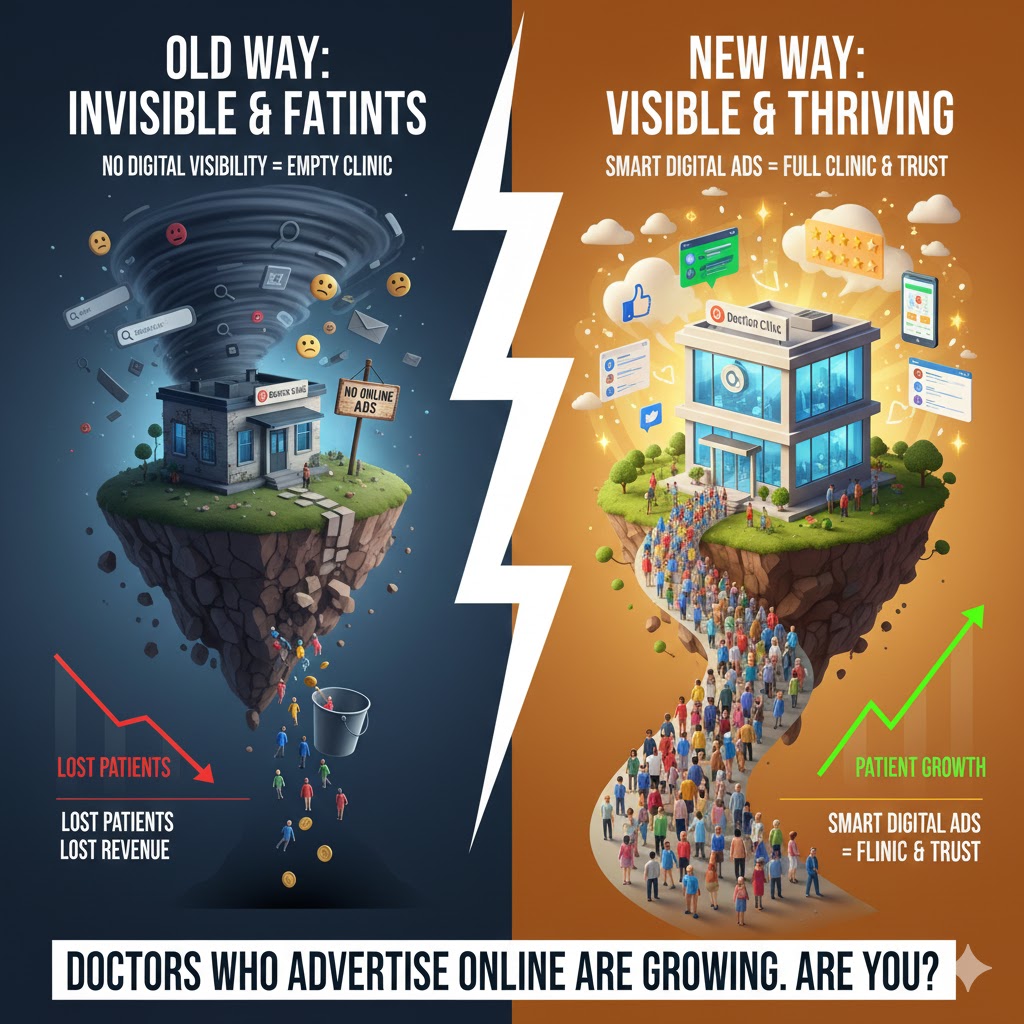
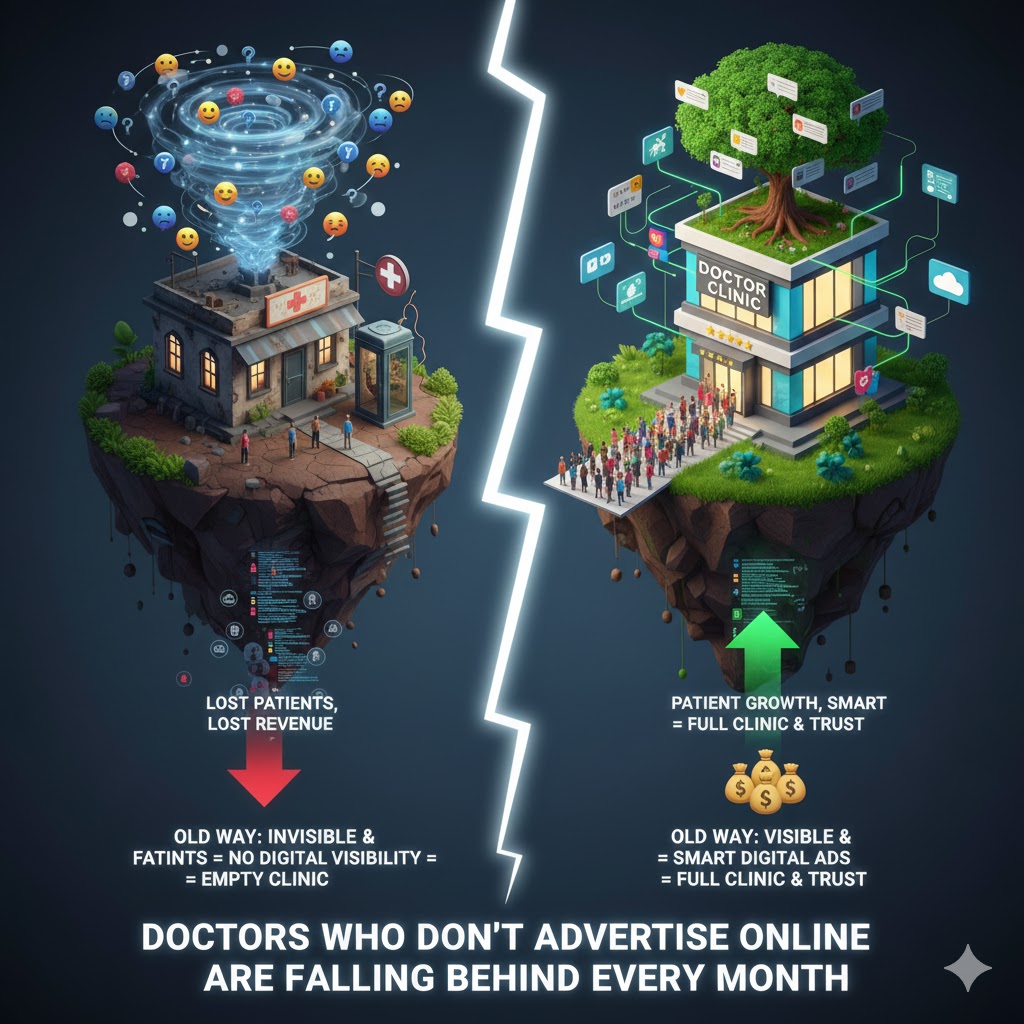
Doctors Who Don’t Advertise Online Are Falling Behind Every Month

Doctors Who Don’t Advertise Online Are Falling Behind Every Month You spent years studying medicine. You worked long hours during your residency. You saved money and opened your own clinic. You bought good equipment and hired caring staff. Everything was ready for patients to come. But something changed in the last few years. Walk-in patients became fewer. Your phone rings less than before. Some days you sit in your cabin waiting for appointments that never come. Your clinic has empty slots that could bring income but stay blank instead. You wonder what went wrong. The answer is not about your skills or your care. You are still the same good doctor you always were. The problem is where patients look for doctors now. They do not ask neighbors anymore. They do not flip through phone books or look at newspaper ads. They pick up their phones and search online. When someone needs a doctor today, they type on Google. They ask their questions and wait for answers. Within seconds, they see a list of clinics. They click on the first few names. They read reviews and check websites. They book appointments with doctors who show up in those search results. If your name is not there, they will never find you. This shift happened slowly but completely. Research from Google India shows that 77% of patients now search online before choosing a healthcare provider. That means eight out of every ten sick people start their search on the internet, not by asking friends or family. They look for symptoms, treatments, and doctors all in one place. Another study from the Indian Medical Association found something worrying. Clinics without any online presence lost an average of 30% of their patient flow between 2022 and 2024. Meanwhile, clinics with active online advertising grew their patient numbers by 45% in the same period. The gap between online and offline doctors keeps getting bigger every single month. Think about your own behavior when you need something. Maybe you wanted a plumber last month. Maybe you looked for a good restaurant last week. Where did you search first? You probably used your phone. You typed your need into Google or asked in a WhatsApp group. You trusted what you found online more than old memories or distant recommendations. Your patients do the same thing when they feel sick. A mother whose child has fever at night does not wait till morning to ask her neighbor. She searches for a pediatrician near her right away. A man with chest pain does not remember which cardiologist his uncle visited five years ago. He searches for the best heart doctor in his area immediately. If you are not online, these patients never see your name. They never know you exist. They book with someone else who showed up in their search. You lose that patient forever. Worse, you lose all the future visits that patient would have made. You lose the family members they would have referred to you. Many doctors feel uncomfortable with online advertising. They believe good work speaks for itself. They think patients will find them through reputation and word of mouth. That belief was true twenty years ago. Today it costs you patients and income every single day. Word of mouth still matters, but it moves slower than online search. By the time someone hears about you from a friend, they already booked an appointment somewhere else. Online ads work faster. They catch patients at the exact moment when they need help. That speed makes all the difference in a competitive market. Some doctors worry that advertising makes them look desperate or unprofessional. They feel that marketing is below their dignity as healers. But advertising is not about desperation. It is about visibility. You cannot help patients who cannot find you. Being visible online is not showing off. It is showing up where your patients already are. Right now, while you read this, someone in your city is searching for the exact services you provide. They need your expertise. They would benefit from your care. But they will never reach you because your competitor runs Google Ads and you do not. That competitor will treat them, earn their trust, and keep them as long-term patients. All because they decided to be visible online. The gap between doctors who advertise and doctors who do not keeps growing. Every month you delay, your competitors get stronger. They fill their schedules. They hire more staff. They expand their clinics. Meanwhile, you work harder to fill the same appointment slots you had last year. Hard work alone cannot fix a visibility problem. This article will show you exactly what happens when doctors ignore online advertising. You will see real data and real examples from clinics across India. You will understand why patients choose online doctors over offline ones. You will learn what you lose every month by staying invisible. Most importantly, you will see what changes when you finally decide to show up where your patients are looking. 1.) The Truth: Your Patients Are Online, Not in the Waiting Room People Search for Doctors Every Single Day, But They Find Your Competitors First Your clinic opens at 9 in the morning. You check the appointment book and see empty slots scattered through the day. Maybe three patients booked for the afternoon. The rest of your time sits blank and waiting. You wonder where all the patients went. Here is the truth that changes everything. Your patients did not disappear. They moved online. Right now, while you read this, someone in your neighborhood is typing “best doctor near me” into Google. Another person is scrolling Facebook looking for a good pediatrician. A third person is asking on a WhatsApp group for dentist recommendations. These people need a doctor. They have pain, worry, or health questions that keep them up at night. They want help from someone they can trust. But they will never know you exist if you … Read more

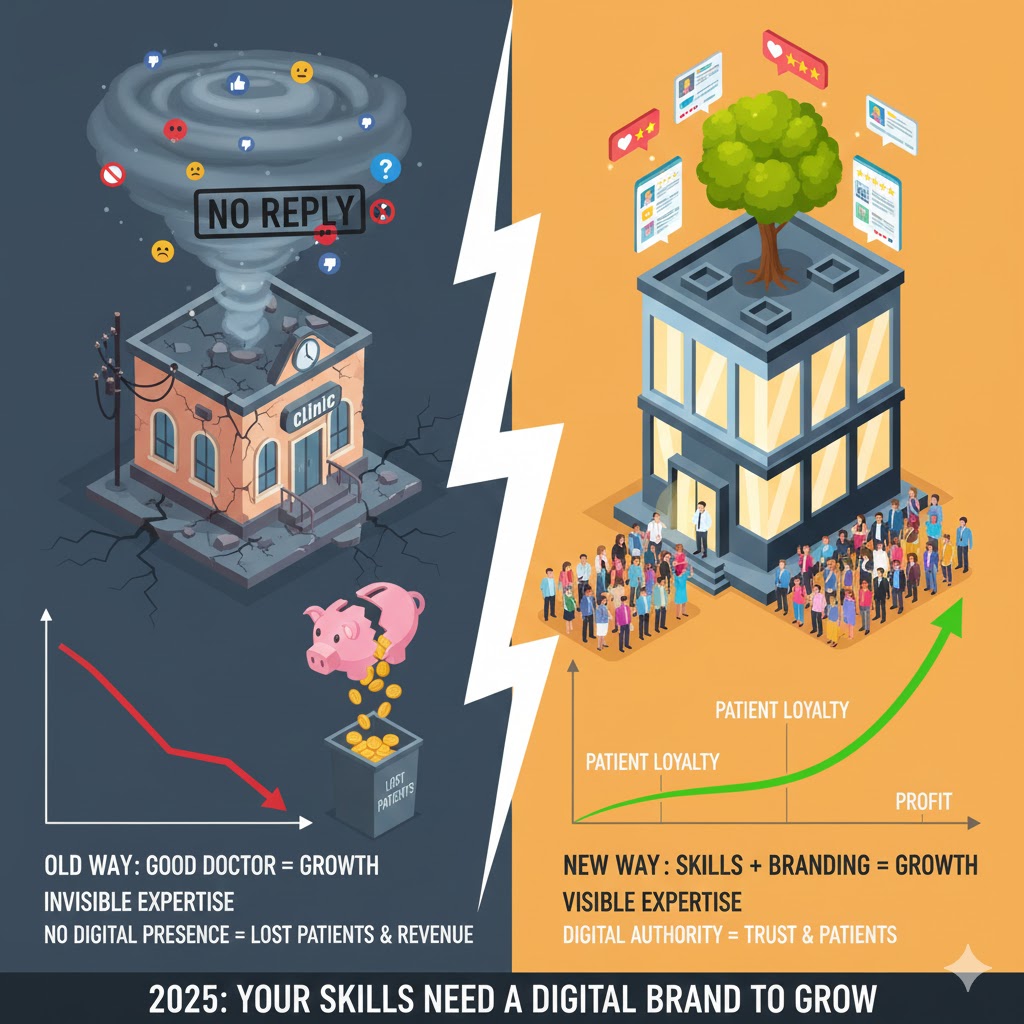
Why Being a “Good Doctor” Is Not Enough to Grow in 2025

Why Being a “Good Doctor” Is Not Enough to Grow in 2025 The year 2025 has changed everything for doctors and clinics across India. Your medical degree was once enough to build a successful practice. Those days are now history. The Indian digital health market reached Rs. 75,658 crore in 2024. This number shows how patients now think about healthcare. They search online before visiting doctors. They read reviews before booking appointments. 75% of people look online to find a doctor. Your skills in surgery or diagnosis mean nothing to them. Patients judge you by what they see on their phone screens first. 80% of patients read online reviews before choosing a physician. They want to see what other patients say about you. Your reputation was built through word of mouth before. Now it gets built through Google reviews and social media posts. Most doctors between 31 and 55 years old face this problem today. You spent years learning medicine. You never learned how to market yourself online. This gap hurts your practice growth every single day. 75% of patients only consider doctors with four star ratings or higher. Good medical care alone cannot guarantee these ratings anymore. You need to be active to manage your online presence. Referrals from other doctors still matter. But they only bring limited new patients now. 46% of all Google searches happen locally. Patients search for “best cardiologist near me” or “pediatrician in my area.” Your clinic location was your biggest advantage before. Now patients travel across the city to visit doctors with a strong online presence. They trust online reviews more than physical proximity. 1. Patients Don’t Just Look for “Good Doctors” Anymore Today your patients are not just looking for good doctors anymore. The healthcare world has completely changed in India. In 2025, patients today expect accessible information and trustworthy content before they visit. Patients are doing homework before they book appointments these days. Think about how people buy a phone or book a hotel. They read reviews first. They check websites and compare options. The same thing happens when patients choose doctors now. Your competition is not just the clinic next door anymore. Patients are comparing you with doctors across the city. They look at websites, read patient stories, and check social media pages. The clinic with better online presence often wins the patient. Healthcare players have increased their marketing budgets by up to 7% of their annual revenue in 2025. Smart doctors are investing in their online image because they know patients are looking there first. When patients cannot find you online easily, they assume you might be outdated. Your years of experience become invisible if your online presence is weak. Good doctors without good online presence are losing patients every day. The Indian digital health market was valued at Rs 75,658 crore in 2024. This huge growth shows how patients search for doctors today. Your skills matter but being found online matters even more. Online health information seeking behavior is becoming increasingly common across all age groups. Patients search Google first before they call your clinic. About four in five individuals who had health problems sought treatments from formal healthcare. With three in five preferring private institutions due to perceived higher level of treatment quality. This data shows patients actively choose where to go based on what they find online. People have many options available to them now. Every patient checks many sources before they visit any clinic. Almost three out of four patients look at online reviews when searching for physicians. Your patients start their doctor search on Google first. They read reviews on Practo and other platforms. They check your website and social media pages too. Being a skilled doctor is important but not enough anymore. If patients cannot find you online easily, they will choose someone else. The new patient journey starts with a Google search. It moves to your website, then social media, and finally ends with a phone call. Being skilled is just the starting point now. Being found and trusted online decides whether patients choose you. This change is happening fast in India’s healthcare market. Doctors who adapt early are getting more patients. Those who rely only on word of mouth are falling behind. The numbers tell the real story here. Digital health users in India will increase by 103.7 million by 2029. More patients are going online to find their doctors. Your competition is getting smarter about this trend. Doctors with good online presence are getting more patients. They show up first in Google searches. Patients want to see proof before they trust you. They look for patient reviews and success stories. They want to know about your team and experience. Over 50 million Indians used teleconsultation services during the pandemic. This changed how people think about choosing doctors forever. Your technical skills bring results to patients. But your online image brings patients to your clinic. Both are needed for growth in 2025. Smart doctors understand this new patient behavior. They invest time in building their online reputation. They make sure patients can find them easily. The old days of word of mouth only are gone. Today patients research everything online before making health decisions. Your online presence is your new business card. 2. Trust Is Built Before Patients Walk In Your clinic door is no longer the first place patients meet you. The clinic’s reputation starts online now, not in the waiting room. Almost 75% of patients turn to online reviews as the first step when searching for a new physician. The internet becomes your reception desk now. Today’s patients research doctors before they make appointments. They spend time reading reviews and checking websites first. A recent study shows 77% of patients use online reviews before choosing doctors. This means your digital presence matters more than ever before. Patients research doctors before they book visits. Over 60% of consumers run a search before scheduling an appointment. They want to know … Read more

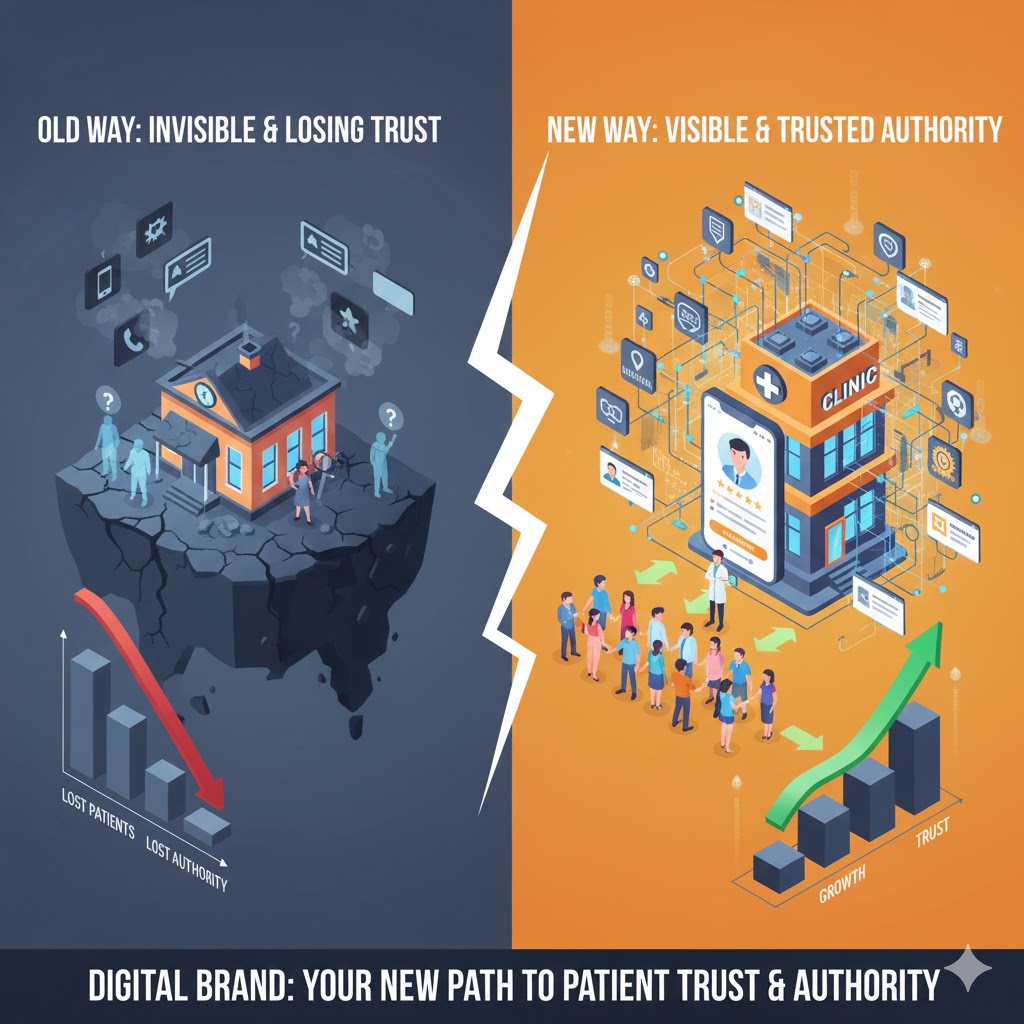
Doctors Without a Digital Brand Are Becoming Invisible (Here’s Why)

Doctors Without a Digital Brand Are Becoming Invisible (Here’s Why) I need to understand that my patients have changed how they find doctors. 49% of internet users use digital media to read health information before visiting a doctor. This means half of my patients are already searching online before they come to me. 72% of patients read online ratings and reviews to consider booking with a new healthcare provider. When patients need a doctor, they check online reviews first. If I am not found online, these patients are not choosing me. My medical degree means nothing if patients cannot find me. A.) The Shift in Patient Behavior My patients are not coming to me the same way anymore. I see this change happening in my practice every single day. More than 3 in 4 patients (77%) look for doctors online often or sometimes. This means my patients are checking me out before they even call my clinic. I am being judged before I meet them. Almost 76% of patients reported going online to seek out in depth information on an individual provider. My patients want to know everything about me before they book. They read about my experience, my reviews, and my clinic. I noticed something important about younger patients. Millennials topped the generational charts by 38% searching online often. While 48% search online sometimes. These are patients between 31 to 45 years old. They make up most of my patient base now. 67% of patients prefer online booking, compared to only 22% who choose to book by phone. My patients want to book appointments online. They do not want to call and wait. They want quick solutions. I see patients are becoming very picky about doctors. Over half of millennials and Gen Z would switch providers, if they could not book appointments online. If I do not give them what they want, they go to another doctor. 5% of all Google searches are health related. Every day, millions of people search for health information. They search for symptoms, treatments, and doctors. If I am not online, they cannot find me. 47% have looked online for information about doctors or other health professionals. My patients research me like they research a new car. They compare me with other doctors. They check my reviews and ratings. The internet became my patients’ first stop before visiting me. I am no longer their first choice by default. I need to earn their trust online first. My digital presence decides if they will choose me or go somewhere else. Patients now expect me to be available online. They want online booking, online reviews, and quick responses. 91% of patients expecting a reply within 24 hours. If I take too long to respond, they find another doctor. The old way of getting patients through word of mouth is changing. Patients still trust recommendations, but they verify everything online first. They check my Google profile, read my reviews, and look at my social media. I realized that patients judge my competence by my online presence. If I have poor reviews or no online presence, they think I am not good. If I have good reviews and active social media, they trust me more. This shift means I cannot ignore digital marketing anymore. My patients are already online looking for me. If I am not there, they will find someone else who is. B.) The New First Impression I used to meet my patients at the front desk. Now things are different. 71% of patients use online reviews as their first step to find a new doctor. My patients see me on Google before they see me in person. When someone needs a doctor, they pick up their phone. They search for doctors near them. They read what other people say about me. They look at my clinic photos online. All this happens before they call my office. I know my patients follow a simple pattern when looking for doctors: They search on Google for doctors in their area They read reviews about different doctors They check photos of clinics and doctors They look at my clinic hours and contact details Only then they decide to call or visit me 94% of healthcare patients use online reviews to check doctors. This means almost every patient who comes to me has already read about me online. Your digital presence has become your real waiting room My Google Business Profile is now like my waiting room. Patients sit there and decide if they want to meet me. They read what my other patients wrote about me. They see pictures of my clinic. They check if I reply to questions fast. If my online space looks good, patients trust me. If it looks empty or outdated, they move to another doctor. 95% of people read online reviews before choosing a doctor. How Patients Judge My Care When patients find me online, they look at specific things: My Google Reviews: They want to see good reviews from real patients. They read what people say about my treatment and behavior. My Clinic Photos: They check if my clinic looks clean and professional in photos. My Response Time: They see how fast I reply to questions online. My Information: They check if my phone number, address, and timing are correct. My Health Tips: They look at the health advice I share on social media. Fast and Confident Decisions Patients make fast choices online. They spend only 2 to 3 minutes looking at my profile. In those few minutes, they decide if they trust me or not. If I have good reviews and updated information, they choose me. If my online profile looks poor, they pick someone else. There are many doctors online, so patients have lots of choices. Trust that starts before the appointment I build trust with patients before they visit my clinic. I do this by: Sharing helpful health tips on Facebook and Instagram daily. Asking happy patients to write … Read more

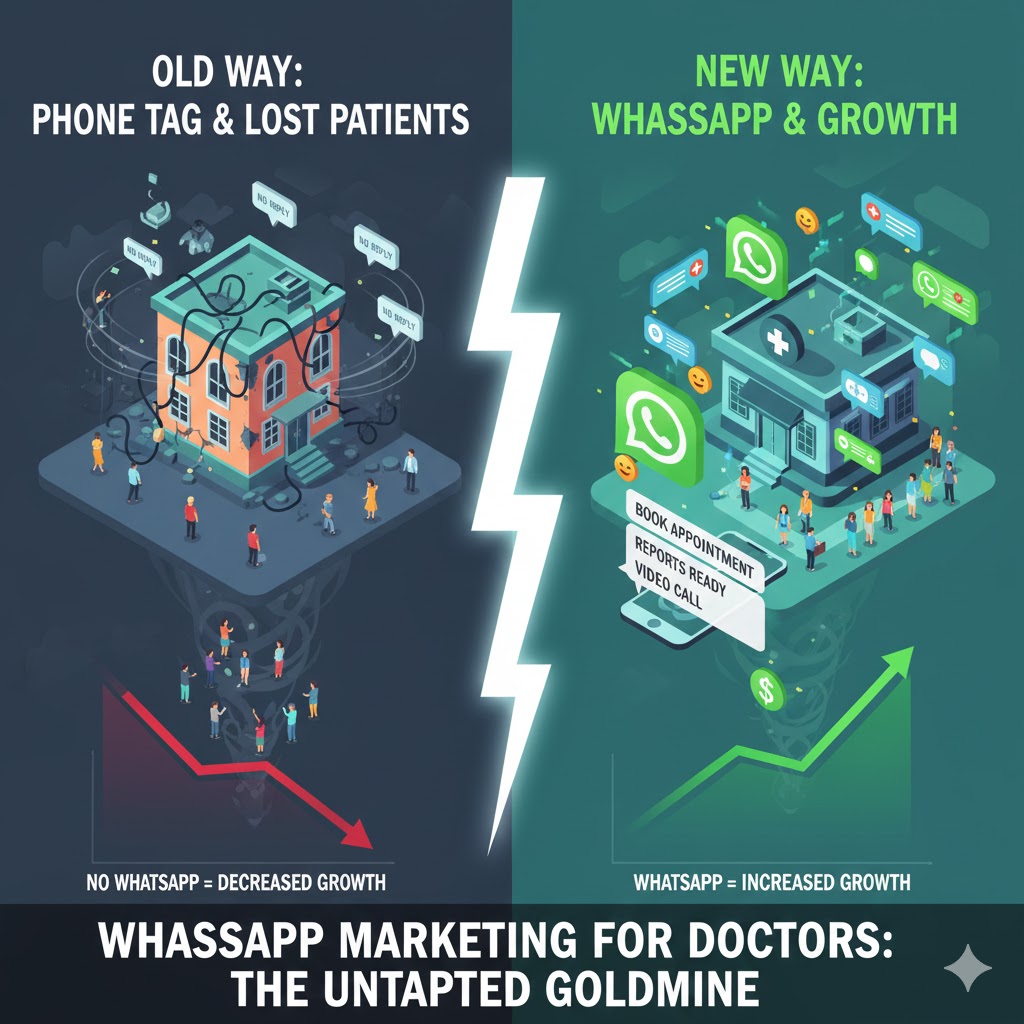
WhatsApp Marketing for Doctors: The Untapped Goldmine

WhatsApp Marketing for Doctors: The Untapped Goldmine Healthcare in India is changing now. Patients want easy ways to talk with their doctors. Phone calls and long waits make many people angry today. Over 480 million people in India use WhatsApp every day. WhatsApp is not where people chat. It is how people talk to each other now. Doctors in India are learning something great. Their patients like WhatsApp messages better than phone calls for health questions. This change is making new chances for doctors everywhere. Smart doctors are using this to make their clinics grow. Why WhatsApp Changes Everything for Doctors Think about your day. When do you check WhatsApp? Most people read their messages in a few minutes. New data shows 71% of Indian doctors like WhatsApp better than email. This shows how strong WhatsApp can be for talking about health. Patients feel better asking health questions through WhatsApp. They can think about what to write before they type. This helps them tell their problems better. Doctors can give better help when patients talk clearly about what hurts. Calling clinics during busy times makes problems. Patients wait while staff take many calls. Many people stop waiting and never book visits. WhatsApp fixes this by letting patients send messages anytime. The Trust Factor That Changes Everything WhatsApp builds trust between doctors and patients in good ways. When patients see a doctor’s picture and name, they feel closer. Personal messages feel warmer than cold emails or machine calls. Patients want fast replies, easy bookings, and simple follow ups. Clinics that use WhatsApp well are building better trust. This trust brings more visits and better relationships with time. Patients share WhatsApp messages with family members easily. When your health advice helps one person, their whole family sees it. This talk brings new patients to your clinic by itself. The Numbers That Prove WhatsApp Works Over 500 million people in India use WhatsApp. WhatsApp marketing for health care in India works very well for hospitals and clinics. It costs less money and works better. These numbers show the big chance waiting for doctors. Most Indians use WhatsApp more than any other app. They check messages many times each day. This means your health tips and visit reminders reach patients when they will read them. The Digital Health market in India will grow by 11.83% from 2025 to 2029. It will be worth 9.90 billion dollars by 2029. This growth shows that digital health tools are becoming needed for all doctors. WhatsApp for doctors does more than simple text messages. Smart clinics use it for booking visits, sending test results, and sharing health tips. Patients love getting health advice that helps them stay well between visits. Doctors can make groups for patients with the same sickness. Diabetes patients can get sugar tips together. Heart patients can share healthy food ideas. This makes groups that help each other. Video calls through WhatsApp help doctors do quick check ups. Patients can show their healing cuts or ask about medicine problems. This saves time for doctors and patients while giving better care. The Competitive Edge Most doctors in India still use old ways to talk. Phone calls, text messages, and emails feel old to young patients. One study by Deloitte shows 24% of people would change to a doctor with better digital talking. Doctors using WhatsApp marketing early are seeing great results. Their clinics stay busy while other doctors fight to keep patients interested. This early start makes long term benefits for smart doctors. Patients tell their friends about doctors who talk well through WhatsApp. This good talk brings steady growth without costly ads. The happy patients become your best marketing helpers. The Untapped Goldmine Awaits Many good doctors have not started using WhatsApp for their work yet. They worry about hard tech stuff or time problems. But doctors who use this tool early will get the most benefits. More than 50% have joined medical talks or health updates sent through WhatsApp. This is not a short trend. It is a change in how medical talking is done. The change is happening whether doctors join or not. The goldmine exists because patients want it but doctors do not give it. Most patients want WhatsApp talking with their doctors. Few doctors offer this yet. This makes a perfect chance for growth. The time to start is now. Every day you wait, more patients pick doctors who offer modern talking ways. WhatsApp marketing for doctors is not extra anymore. It is needed to stay strong in modern healthcare. 1. Connecting with Patients Made Easy Everyone Uses WhatsApp Every Day India has 853 million people using WhatsApp. Almost every patient who comes to your clinic has WhatsApp. They look at their phone many times each day. Your patients check WhatsApp when they drink tea in the morning. They send messages to their families all day long. They share photos with friends at night. WhatsApp is part of what they do every day. When you send a WhatsApp message, patients see it fast. They do not forget to check like they do with emails. They do not wait for letters to come in the mail. Your message shows up where they already look every day. People send 7 billion voice messages on WhatsApp every day. This shows people like to use WhatsApp to talk to others. Patients trust WhatsApp because they use it for important things in life. Reaching Patients Where They Are Old ways of talking to patients are hard. Phone calls need both people to be free at the same time. Emails get lost or people forget to check them. Text messages feel too formal and cold. WhatsApp makes talking to patients easy. Patients can read your messages during lunch at work. They can reply to appointment reminders while on the bus. They can ask health questions from home at night. Before WhatsApp, 66% of patients said talking with doctors was not good enough. WhatsApp fixes this by … Read more

The Digital Shift in Indian Healthcare: What Doctors Must Do Now

clickniti

The Digital Shift in Indian Healthcare: What Doctors Must Do Now The way people find doctors has changed completely in the last few years. A patient wakes up with chest pain or their child has a fever. Ten years ago, they would call a neighbor or ask a family member. Today, they pick up their phone and start typing on Google. They look for clinics nearby, read what other patients say, and check if the doctor looks good online. This change is happening fast in India. More than 700 million Indians are online now. That number keeps growing every month. People in cities and small towns both use their phones to search for doctors. They want quick answers, clear information, and a doctor they can trust before they even step inside a clinic. But here is the problem. Many good doctors are still not online. They have years of experience and they care about their patients deeply. But when someone searches for help, these doctors do not appear. The patient finds another clinic instead. The doctor loses that patient without even knowing about it. This is not about fancy websites or big budgets. This is about being visible where your patients are looking. It is about making sure they can find you when they need help. The internet is now the front door of your clinic. If that door is closed, patients walk past without stopping. Around the world, healthcare marketing has become simple and smart. Doctors in other countries use basic digital tools to stay connected with patients. They send appointment reminders through messages. They answer questions online. They share helpful health tips that people actually want to read. These small steps help them grow their practice every single day. Indian doctors need to understand this shift now. This is not a trend that will pass. This is the new normal. Patients expect you to be online. They want to see your profile, read your reviews, and book appointments without making phone calls. If you delay this, you will keep losing patients to clinics that are already online. The good news is that going digital does not have to be hard. You do not need to become a technology expert overnight. You need to take the right steps in the right order. Start with a simple online presence. Keep it updated. Respond to patients when they reach out. These basic actions can change everything for your clinic. This guide will show you what is happening in healthcare marketing today. You will see how patients behave online and what they expect from doctors. You will learn simple steps that clinics around the world use to grow. And you will understand what you must do right now to stay visible and relevant in this digital age. a. The Way Patients Choose Doctors Has Changed Ten years ago, a patient would ask their neighbor about a good doctor. Today, they open their phone and type symptoms into Google. Before anyone calls your clinic, they have already checked your ratings. They have read what other patients said about you. They have looked at photos of your clinic on Google Maps. This is how people decide now. Your medical degree still matters, but so does your online presence. A patient sitting at home can compare five doctors in ten minutes. They will pick the one who looks more trustworthy online. Not always the one with more experience. 77% of Indian patients search online before booking an appointment. That number was only 40% five years ago. The shift is real and fast. Patients want to see your qualifications, your clinic timings, and what others think about you. All this before they dial your number. Your first impression does not happen when they enter your clinic anymore. It happens when they see your name on a search result. If your listing looks empty or outdated, they move to the next doctor. If you have no reviews, they think no one visits you. If your phone number is wrong, they get frustrated and pick someone else. Young mothers search for pediatricians on their phones while their child is crying. Diabetic patients look for endocrinologists during lunch breaks at work. Even senior citizens now ask their children to find doctors online. Everyone has moved to digital. The question is, have you? This change is not coming. It is already here. Patients expect doctors to be online like they expect clean clinics. If you are still depending only on word of mouth, you are losing patients every single day. Not because you are a bad doctor. But because patients cannot find you when they need you. You may think your loyal patients will always come back. That is true. But what about new patients? What about families who moved to your city? What about someone whose regular doctor retired? They all start their search online. If your name does not appear, you do not exist in their world. The way patients choose doctors has changed forever. Your skills in the examination room are still your strength. But now, your visibility on the screen decides who walks through your door. Being a great doctor is not enough anymore. You also need to be a doctor people can find. b. From Word of Mouth to Click of Mouse Recommendations now travel through Google reviews, WhatsApp, and social media, not only friends. Remember when patients would ask their neighbors about a good doctor? Those days are fading fast. The way people share and find medical advice has completely changed in India. Today, a patient woke up with a health problem. The first thing they do is pick up their phone. They type their symptoms on Google. They ask for doctor names in their housing society WhatsApp group. They check Facebook pages. They read reviews on Practo or Google Maps. Within minutes, they have five doctor names. They look at star ratings. They read what other patients said. They check clinic photos. … Read more

How AI Can Help You Retain Patients Without Extra Staff

How AI Can Help You Retain Patients Without Extra Staff Your clinic loses patients every month. You may not see it happening. 17 out of every 100 patients leave their doctor each year. 36 patients leave because they get bad service. Patients who miss appointments leave more often. 24 out of 100 patients with missed visits will leave. Only 12 out of 100 patients who come on time will leave. One missed visit can lose a patient forever. Most clinics try old methods to keep patients happy. They hire more people to make phone calls. They buy new furniture or equipment. These cost a lot of money but do not fix the real problems. 92% of hospital leaders say automation helps with staff problems. In India, one doctor sees 1,596 patients. This is too many patients for one doctor. Giving personal care becomes very hard without smart tools. Patients do not leave because you are a bad doctor. They leave when talking becomes hard. They forget their next visit. They wait too long on phone calls. They feel you do not care between visits. 81 out of 100 patients are not happy with hospital service. Most problems happen outside your office. Problems happen when they book visits, get reminders, or ask questions. AI tools fix these problems without hiring more people. These tools work all day and all night. They never get tired. They never forget to send reminders. They never make patients wait. India is making 500 million patient records digital. This helps clinics use AI tools that know what patients need. Clinics using auto reminders see big changes. Phone reminders cut missed visits from 21% to 7%. Text reminders work even better and cost less money. The AI health market is growing fast. It grew from $1.07 billion to $1.95 billion in 2 years. Many clinics now use these tools to stay ahead. Every lost patient costs your clinic thousands of rupees. When patients feel cared for, they stay longer. They also tell friends and family about your clinic. Clinics with digital tools look modern. Patients trust doctors who use new technology. This trust makes patients stay and write good reviews. Other doctors are using AI tools to keep patients happy. While you make phone calls by hand, they build better patient relationships automatically. The gap between new and old clinics grows every month. Patients want the same easy service from doctors that they get from shopping apps. They want fast answers, easy booking, and personal care. AI tools make this happen without making your team work harder. The question is not if AI will change healthcare. The question is will your clinic use it first or fall behind other clinics that use these strong new tools. 1. The Problem Most Clinics Face: Daily Problems That Hurt Your Practice Patients Forget Their Next Visits All doctors see this problem. Patients feel better after treatment. They say they will come back for their next visit. But life gets busy. They forget their appointment date. They forget why they need to come back. Out of 100 appointments, 15 patients do not show up. That means 15 empty slots every week. These missed visits hurt your money and patient health. When patients skip visits, their sickness can get worse. Small problems turn into big problems. They need emergency care later. This costs them more money and worries you as their doctor. Patients miss visits for simple reasons. They have work or family problems. They forget the date. They have transport problems or bad weather. Most patients do not skip visits on purpose. Life problems get in the way. Phone Lines Stay Busy All Day Your clinic phone rings all day. Patients call to book visits, ask questions, and get results. Your team tries to answer all calls but gets tired. Patients get angry when they cannot reach you. 68% of clinics have to change appointments 1 to 10 times each month. This makes more phone calls. More changes mean more calls. More calls mean longer waits. Longer waits mean angry patients. When patients call during busy times, they get busy signals. They try calling back but forget. Some patients give up and go to other clinics. You lose patients because they could not reach you. Long phone waits waste your team time. They spend more time on calls than helping clinic patients. This makes everyone tired and reduces good care. Your Team Already Works Too Hard Your front desk team books appointments, checks in patients, handles insurance calls, and manages files. Your nurses get patients ready, check vital signs, give medicines, and clean rooms. Everyone does many jobs. Finding good healthcare workers is getting harder each year in India. There are not enough trained people. Many leave for better jobs. When team members work too hard, they make more mistakes. They book wrong appointment times. They miss important patient messages. They seem rushed when talking to patients. This hurts your clinic name. Tired workers also get sick more often. When someone is absent, others have more work. This makes a bad cycle. Many clinics cannot hire more people but cannot handle all the work. The Hidden Costs Every Day Each missed appointment costs your clinic money. Even 10 missed visits per week adds up to big money lost over one year. Busy phone lines make patients go elsewhere. Tired workers leave jobs more often. You spend time and money training new people. During training, your service gets worse while new workers learn. Angry patients tell friends and family about bad experiences. This hurts your clinic name and makes it hard to get new patients. Why Problems Get Bigger Over Time When your clinic grows, problems grow too. More patients mean more phone calls. More appointments mean more missed visits. You need more workers but cannot find good ones. Small problems become big problems. Many doctors think these problems are normal. They accept missed visits and busy phones as part of … Read more

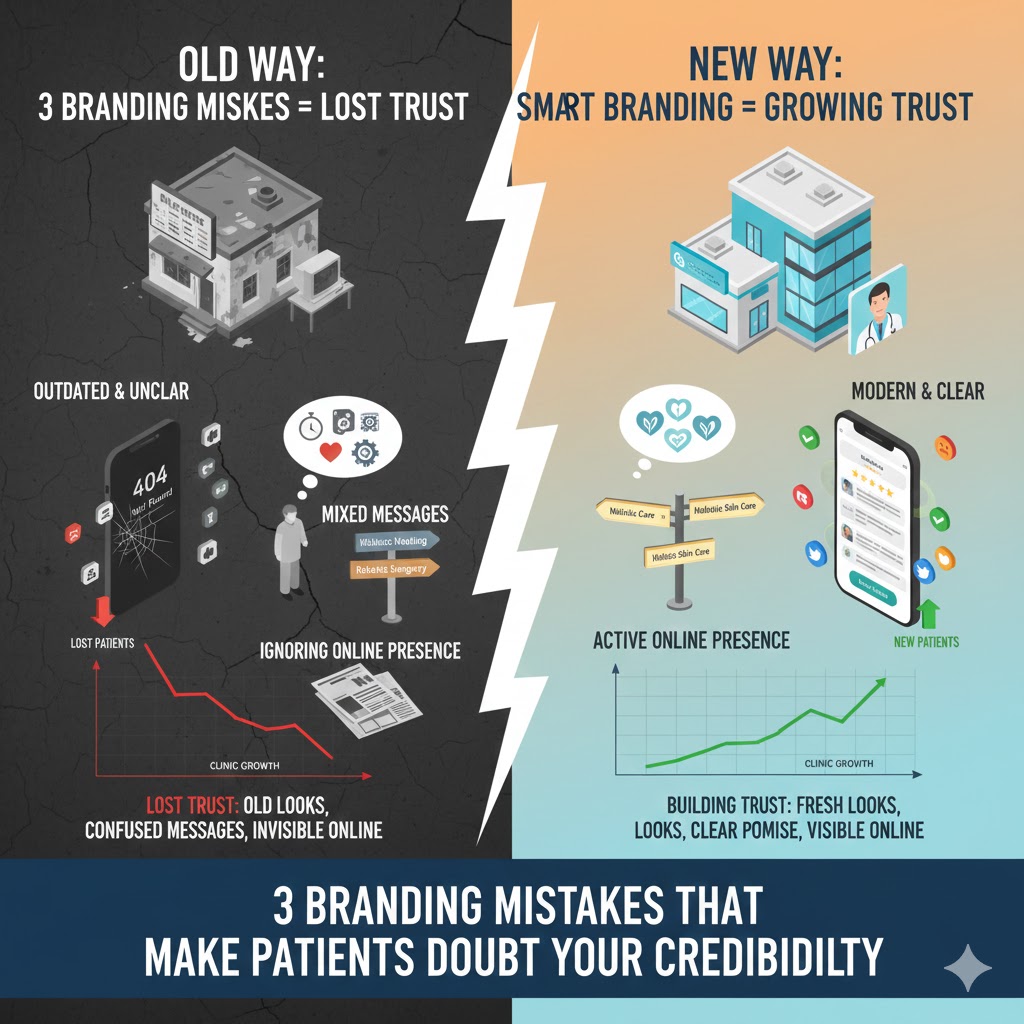
3 Branding Mistakes That Make Patients Doubt Your Credibility

3 Branding Mistakes That Make Patients Doubt Your Credibility Your clinic’s brand is built to heal patients and save lives. But small mistakes are breaking patient trust every single day. Over 60% of Indian patients find it hard to trust hospitals today. The numbers tell a scary story about healthcare in India. Patients walk into clinics feeling worried about getting good care. Trust in medical institutions has dropped badly over the last ten years. This trust crisis hits doctors and clinics hard across the country. Patients now question everything before choosing their healthcare provider. Your brand reputation decides if patients pick your clinic over others. Strong branding builds the trust that patients need to feel safe. When branding goes wrong, patients lose faith in your medical skills too. Many clinics have no clear brand identity that patients can remember. Without good branding, patients cannot tell your clinic apart from others. This makes them choose based on price alone or avoid you completely. The healthcare market in India grows bigger every year. More clinics open and compete for the same patients in every city. Your brand becomes the main thing that makes patients choose you first. Smart branding helps patients trust you before they even meet you. It shows them that your clinic cares about quality and patient safety. Good branding also helps patients remember your name when they need help. But many doctors and clinic owners make branding mistakes without knowing it. These mistakes push patients away and hurt your clinic’s growth every day. The wrong branding choices can destroy years of hard medical work. Patient trust starts the moment they see your clinic’s name or logo. It grows stronger through every interaction they have with your brand. When trust breaks, patients leave and never come back to your clinic. This article will show you three big branding mistakes that harm patient trust. Each mistake stops patients from choosing your clinic over your competitors. Learning about these mistakes will help you fix them fast. Your clinic’s future depends on patients trusting your medical care and expertise. Strong branding makes that trust grow stronger every single day with patients. 1. Looking Outdated or Unclear When patients walk into your clinic, what do they see first? Your brand tells them everything before you even speak. A tired looking logo or faded colors send the wrong message instantly. Think about the last time you visited a restaurant with peeling paint. Did you wonder about their food safety? Patients think the same way about healthcare. Outdated branding makes them question your medical care quality. Healthcare practices across India are losing patients before they even walk through the door. The problem starts with how your clinic looks to the outside world. A study by Stanford showed that 75% of people judge medical credibility by visual design. Your outdated logo tells patients you might use outdated treatment methods too. Think about the last time you saw a clinic with faded signboards. Did it make you feel confident about their medical equipment? Probably not. Colors That Kill Confidence Dull browns and grays make your practice look tired. Patients want to see energy and life in healthcare spaces. Fresh blues and clean whites suggest cleanliness and modern care. Research from the Healthcare Marketing Association found that clinics using bright, clean colors get 40% more appointment bookings than those with dull designs. Messy Designs Create Medical Doubts When your clinic poster has too many fonts, patients get confused. If you cannot organize a simple sign, how can you organize their treatment plan? Studies show that 94% of first impressions relate to visual design elements. Your clinic logo works like your medical degree on the wall. Both build confidence in your expertise and professionalism. Old fashioned fonts suggest old fashioned methods to worried patients. Dull brown and beige colors feel stale and uninviting. Bright, clean colors create feelings of health and healing instead. Clear, simple designs work better. One main message. One easy font. One strong image. This approach helps patients understand your services quickly. Your Reception Area Speaks First Your reception area logo gets seen by every single patient. Faded or pixelated designs look unprofessional and careless to visitors. Sharp, clear graphics show attention to detail and quality standards. Color choices affect patient emotions more than most doctors realize. Green shades promote calm and natural healing feelings in patients. Blue tones build trust and suggest medical expertise and reliability. Before patients meet you, they see your walls. Peeling paint and crooked frames suggest poor attention to detail. Patients wonder if you will be careless with their health too. A clean waiting room with updated displays shows you care about every detail. This builds trust even before the consultation begins. Logo Problems That Push Patients Away Old medical symbols like the red cross are now overused. Patients see these symbols everywhere and your clinic gets lost in the crowd. Confusing layouts make patients feel lost before their appointment starts. Many font styles create visual chaos that increases patient stress. Simple, organized designs help patients feel more comfortable and confident. When your brand looks messy, patients wonder about your organization. They ask themselves if disorganized branding means disorganized patient care. Clear visual systems suggest clear medical processes and reliable service. Modern healthcare logos use unique shapes and colors. They stand out and stay in patient memory longer. The Trust Factor Visual branding creates the first impression of your medical skills. Patients cannot judge your 15 years of experience from looking at you. But they can judge your attention to quality from your clinic appearance. Updated, clear branding shows patients you invest in excellence. This makes them more likely to trust you with their health concerns. Your clinic brand is your first patient interaction. Make sure it builds confidence instead of creating doubt. Modern medical branding uses white space to create calm environments. Clean lines and simple shapes reduce visual stress for patients. Professional photography shows real care and genuine patient … Read more