Top 5 Future-Proof Marketing Moves for Clinics in 2025
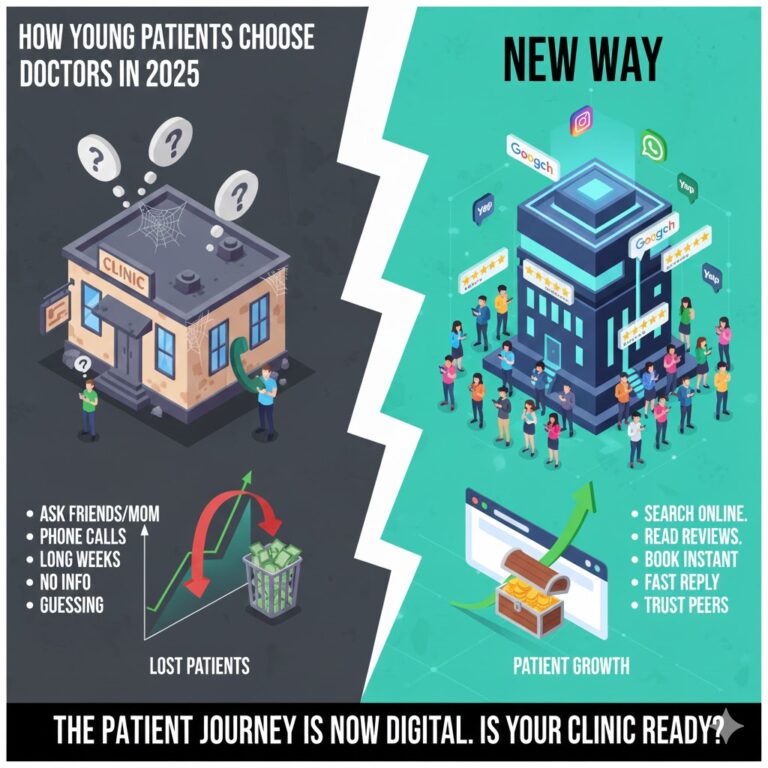
Everything has changed in how patients find doctors. Ten years ago, people asked friends for recommendations. They walked into clinics they passed on the street. They trusted doctors their parents visited. That world is fading fast.
Table of Contents
ToggleToday, almost every patient journey starts with a search. Someone feels sick at night. They pick up their phone. They type their symptoms and look for help nearby. Within minutes, they decide which clinic to call in the morning. If your clinic does not appear in that search, you never existed in their mind.
This shift happened fast but the pattern is now clear. Patients want speed. They want answers right away. They want to book appointments without calling five times. They want to see proof that your clinic cares before they visit. These expectations are not going away. They will only grow stronger in 2025.
Many doctors feel confused by these changes. You studied medicine, not marketing. Your job is to heal people, not manage websites. But here is the reality. The best medical skills mean nothing if patients cannot find you. Your clinic stays empty while hospitals with average doctors but strong online presence stay full.
The good news is that adapting does not need special skills. You do not need to become a tech expert. You do not need a big budget. What you need is a clear plan that addresses how patients think and act today.
The five moves we will discuss are not complicated. They are based on real patient behavior. They work for small clinics with limited time and money. Most importantly, they will keep working as technology keeps changing. These are not quick tricks that stop working next year. These are foundations that protect your clinic’s future.
Patients are already looking for you online. The question is whether they will find you or someone else. The answer depends on the choices you make.
1. Be Easy to Find
Patients Choose Clinics They Can See and Reach Fast
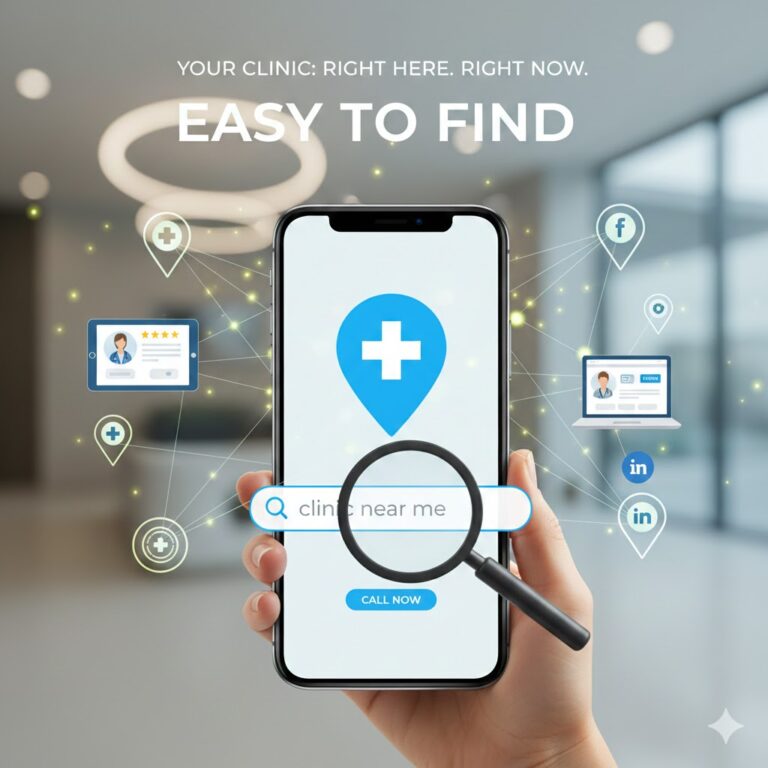
Your clinic might be the best in your area. But if patients cannot find you online, they will never know. Most people search on Google when they need a doctor. They type words like “clinic near me” or “child doctor in my area.” The clinics that show up first get the calls. The ones that stay hidden lose patients every single day.
Being easy to find starts with your online presence. Your clinic needs a Google Business Profile that shows up on maps. When someone searches for help, they should see your name, address, and phone number right away. They should know your working hours without making a call. This simple step brings more patients than any newspaper ad ever could.
Patients want fast answers. They do not have time to dig through pages looking for basic information. If your clinic appears in the first few search results, you win their attention. If you show up on page three or four, they have already picked someone else. Search rankings matter more than most doctors realize.
Your website plays a big role too. It should load fast on mobile phones because most searches happen on small screens. People scroll, tap, and decide in seconds. A slow website makes them click away before they even see your services. Clear contact buttons and simple navigation keep them interested long enough to book an appointment.
Local directories help patients discover you from different places. When your clinic is listed on health platforms and local business sites, more people stumble upon your name. Each listing acts like a signpost pointing toward your door. The more signs you have, the more patients find their way to you.
Reviews make you visible in another important way. Patients trust clinics with good ratings and recent feedback. When they see other families sharing positive experiences, they feel confident choosing you. Responding to reviews shows you care about what patients think. This small action builds trust before the first visit even happens.
Social media adds another layer of visibility. When you post updates about your clinic, you stay fresh in people’s minds. Patients who follow you online remember you when they need care. Your posts remind them that you are active, open, and ready to help. This regular presence keeps you ahead of clinics that stay quiet.
Being easy to find is not about tricks or shortcuts. It is about showing up where patients are already looking. You do not need to be everywhere at once. Start with Google, fix your website, and collect some reviews. These basic steps put you on the map in ways that actually bring patients through your door. The clinics that do this now will keep growing while others keep wondering where their patients went.
2. Make Booking Simple
When Patients Can Book Fast, They Actually Show Up
Patients hate waiting on hold. They get frustrated filling out long forms. They give up when booking feels like hard work.
Think about how people book everything else today. They order food in two taps. They book cabs without calling anyone. They expect the same speed when choosing a doctor.
Your clinic might offer great care. But if booking an appointment takes ten minutes, patients look elsewhere. They find another clinic with a faster system. You lose them before they even meet you.
Most clinics still use old methods. Patients must call during work hours. They wait while someone checks the register. They answer the same questions multiple times. This wastes their time and yours.
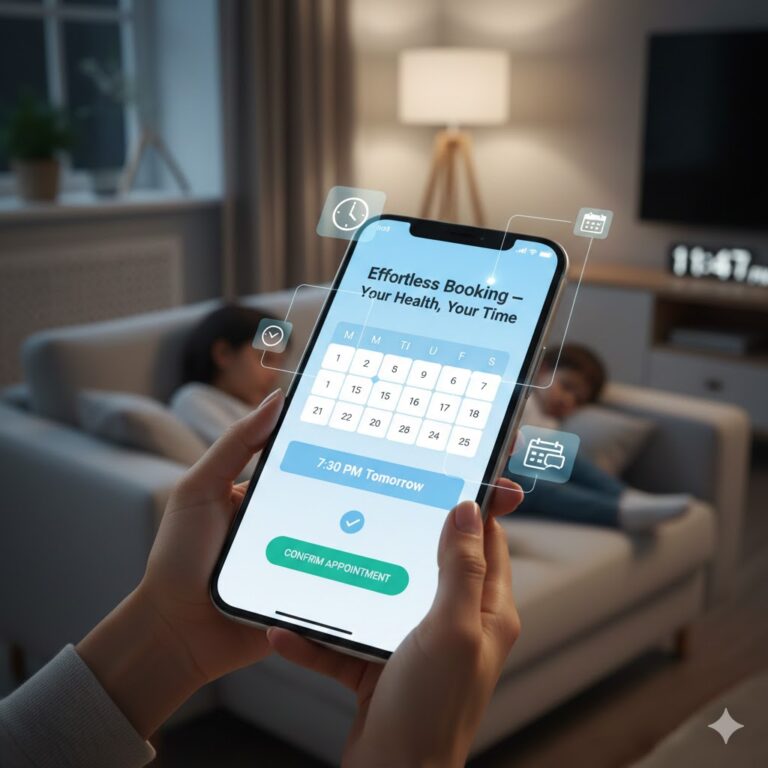
A simple booking system changes everything. Patients visit your website at midnight if they want. They see available slots right away. They pick a time that works for them. They get confirmation without waiting for a callback.
This is not about replacing your staff. It is about giving patients more options. Some people prefer calling. Others want to book online without talking to anyone. Both should be possible.
The numbers tell a clear story. Clinics with online booking see more new patients every month. They have fewer empty slots because people book ahead. They spend less time managing phone calls and more time with actual patients.
Young parents book appointments after their kids sleep. Working professionals book during lunch breaks. Older patients who feel shy on phone calls can book without pressure. Everyone gets what they need.
Your booking system should ask only what matters. Name, contact number, reason for visit, and preferred time. That is enough. Long forms with twenty questions push people away. Keep it short and clear.
Reminders matter too. People forget appointments when life gets busy. A simple text message one day before helps them remember. This cuts down on no shows. Your time stays protected. Your schedule stays full.
Some doctors worry about technology feeling cold. But booking systems free up your staff for warmer interactions. Instead of answering the same scheduling questions all day. They can greet patients with real attention. They can focus on making people comfortable.
The cost is lower than you think. Many booking tools are built for small clinics. They work on your existing website. They need no special training. Patients figure them out in seconds.
Competitors are already doing this. Big hospitals have booking systems that work day and night. Patients get used to this convenience. When your clinic asks them to call between ten and four, it feels outdated.
Booking is the first real action a patient takes with your clinic. If this step feels smooth, they expect good things ahead. If it feels difficult, they start doubting everything else.
Start small if you need to. Add a simple form on your website. Let people request appointments online. Your team can confirm by phone. This is still faster than making everyone call first.
As you grow comfortable, add more features. Show real time slots. Send automatic confirmations. Let patients reschedule without calling. Each improvement saves time for everyone involved.
The future belongs to clinics that respect patient time. Booking should take two minutes, not twenty. When you make it simple, patients choose you over clinics that make them work harder. That choice happens before they ever see your waiting room.
3. Show Real Care Online
Let Patients See Your Heart Before They Meet You
Your clinic has warmth. Patients feel safe when they sit in your waiting room. They trust you when you listen to their problems. But this feeling needs to start before they walk through your door.
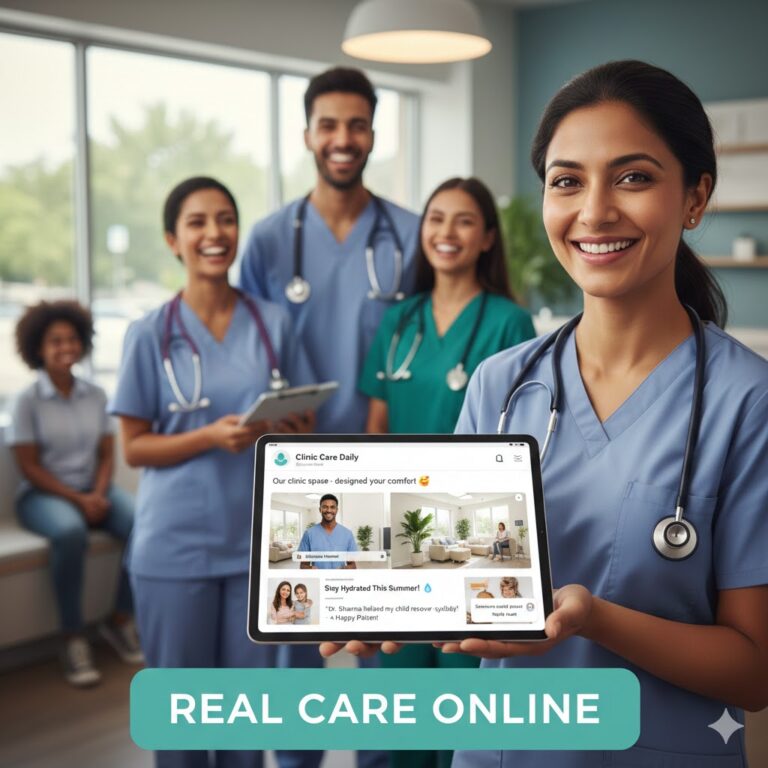
People want to know who you are before they book an appointment. They look at your website. They check your social media pages. They read what others say about you. If they find nothing, they feel unsure. If they find care and kindness, they feel ready to visit.
Photos tell your story without words. Show your clinic space. Let people see clean rooms and friendly staff. Post pictures of your team smiling and working. This builds comfort in their mind. They start to picture themselves in your care.
Health tips show you care beyond appointments. Share simple advice about common problems. Talk about staying healthy during the rainy season. Explain when to worry about a fever. Give tips for better sleep or managing stress. These small posts prove you think about patient wellness every day.
Patient stories create powerful trust. When someone shares how you helped them recover, others pay attention. These stories do not need fancy words. Simple words about real experiences work best. A parent talking about their child’s recovery means more than any advertisement.
Updates keep your clinic alive in patient minds. Post about new services you offer. Share changes in your clinic timings. Talk about health camps or free checkups. Regular updates show your clinic is active and growing.
Videos bring your voice into patient homes. Record a short message about a common health concern. Explain a treatment in simple terms. Introduce your team members. Videos make patients feel like they already know you before the first visit.
Responding to comments shows you are listening. When someone asks a question on your post, answer fast. Thank people who leave kind words. Address concerns with patience. This interaction proves you care about communication.
Behind the scenes content builds connection. Show how you prepare for a busy day. Talk about why you became a doctor. Share what makes your clinic different. These glimpses into your world make patients feel closer to you.
Consistent posting matters more than perfect posting. You do not need professional photos every time. A simple update about your clinic staying open on a holiday helps patients plan. A quick health reminder during flu season shows you are thinking of them.
The goal is simple. Make people feel cared for before they become patients. Show them the same kindness online that you give in your clinic. Let them see your expertise and your humanity. When they finally visit, they already trust you. The relationship starts online and grows stronger in person.
4. Stay in Touch After the Visit
A Simple Message Keeps Your Clinic in Their Mind
The appointment ends. The patient walks out. Most clinics stop there. But this is where the real connection begins.
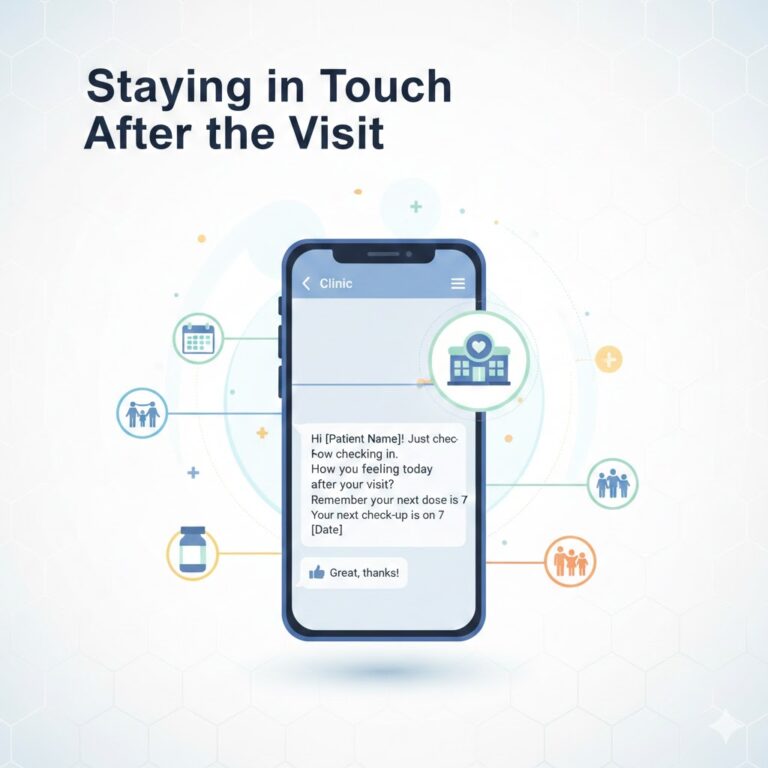
Patients forget things after they leave your clinic. They forget to take medicines on time. They forget when to come back for a checkup. They forget the advice you gave them during the visit. A simple message from you can change all of this.
Send a short message two days after their visit. Ask how they feel. Remind them about their next dose. Tell them when to return. This small step shows you still care about their health. It makes them feel valued. They remember your name when they need a doctor again.
Most patients visit a clinic only when they fall sick. After treatment, they move on with their lives. Months pass. When they need medical help again, they search for a new doctor. They do not remember your clinic because there was no contact after the first visit.
Staying in touch solves this problem. A birthday wish. A health tip during flu season. A reminder for an annual checkup. These messages keep your clinic fresh in their memory. When they need care, your name comes to their mind first.
This is not about selling or pushing services. It is about building a relationship that lasts beyond one appointment. Patients trust doctors who stay present in their lives. They recommend such doctors to friends and family. Word spreads faster when people feel cared for.
Technology makes this simple now. You do not need to call each patient. Automated messages can do the work. But the words should feel personal and warm. A message that sounds like a robot will not build trust. Keep it human. Keep it kind.
Follow up messages also reduce missed appointments. When patients get a reminder, they show up on time. This saves your time and theirs. It keeps your schedule full without chasing people on the phone.
Some clinics worry about bothering patients. But patients appreciate reminders when they come from a place of care. A quick text asking about recovery is not spam. It is good medical practice. It shows you treat people, not only diseases.
After visiting care also helps you learn what works. If many patients report the same problem, you know something needs to change. Maybe your instructions were not clear. Maybe the medicine needs adjustment. Feedback after the visit helps you improve your care.
Patients who receive follow up messages return more often. They book their next checkup without being asked. They feel part of a health journey, not only a one time transaction. This loyalty builds your practice over years.
In 2025, patients expect this level of care. They see it from online services and big hospitals. Small clinics can do this too. It does not take much time. It does not cost much money. But it makes a big difference in how patients see your clinic.
The visit should not be the end. It should be the start of ongoing care. Messages after the appointment keep that care alive. They turn one time patients into lifelong relationships. They bring people back without ads or offers.
Start simple. Send one message after each visit this week. See how patients respond. Most will appreciate it. Some will reply with questions. Some will book their next visit right away. This one move can fill your calendar without extra effort.
Clinics that stay in touch grow faster. They do not depend on new patients alone. They build a base of people who return again and again. These loyal patients become your best marketing. They tell others about the doctor who cares even after they leave.
Your time is precious. But a two minute message can save hours of finding new patients. It is the smartest move a clinic can make. Simple, effective, and built on real human care.
5. Listen and Respond
Patients Remember Clinics That Actually Care About Their Voice
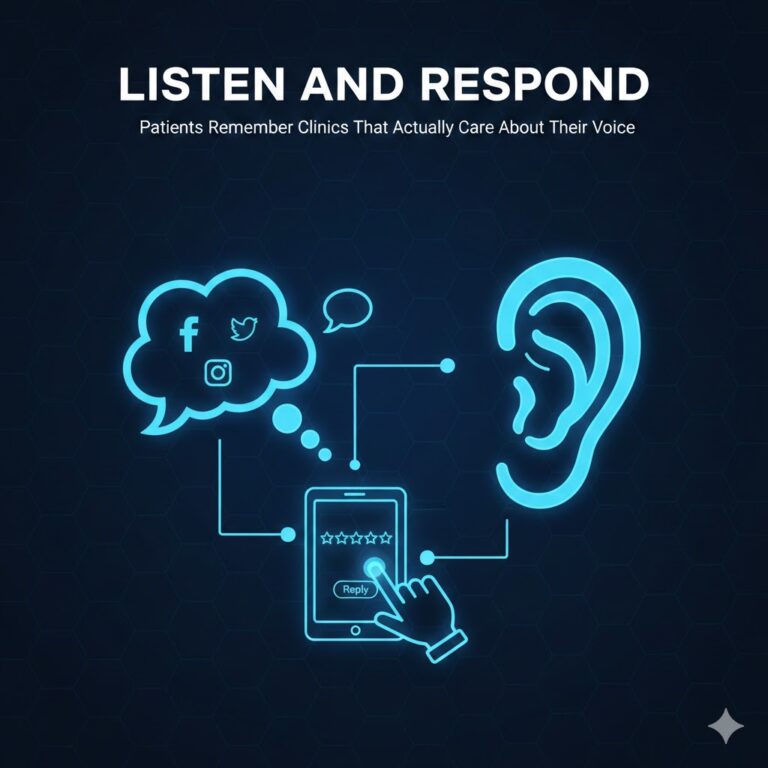
Your clinic gets reviews on Google every week. Some patients leave comments on Facebook. Others send questions through WhatsApp or your website contact form. What happens next decides everything.
Most clinics read these messages and do nothing. The review sits there. The question goes unanswered. The complaint gets ignored. Patients notice this silence. They tell their friends. They choose another clinic next time.
Smart clinics in 2025 do something different. They reply within 24 hours. They thank patients for good reviews. They answer questions with helpful information. They fix problems when patients point them out.
A patient writes that your clinic helped them feel better after months of pain. You reply and say thank you for sharing your story. That patient feels valued. They come back when they need care again. They tell three more people about your clinic.
Another patient says the waiting time was too long last Tuesday. You reply and explain what happened that day. You promise to work on reducing waiting times. You actually make changes to your schedule. That patient sees you took them seriously. They give your clinic another chance.
Response builds connection. Connection builds trust. Trust brings patients back and brings new ones in.
Many doctors think responding takes too much time. They believe one reply will not change anything. This thinking costs them patients every single month. The truth is simple. Patients want to know if someone reads what they write.
You do not need fancy words in your replies. You do not need perfect marketing language. You need real human responses that show you care. Say thank you when patients praise you. Say sorry when something goes wrong. Explain how you will fix it. Keep your promises.
Reviews help new patients decide where to go. A clinic with 50 reviews and zero replies looks cold. A clinic with 50 reviews and thoughtful replies to each one looks warm and professional. Patients choose the second one every time.
Feedback also shows you what needs fixing in your clinic. Patients tell you things your staff might not mention. They point out problems you cannot see from inside. When you listen and respond, you get free advice that makes your clinic better.
Social media works the same way. A patient asks about your working hours on Instagram. You reply in two hours with clear timings. They book an appointment that same day. Another person comments on your health tip post. You reply and add more useful information. They save that post and remember your clinic.
Clinics that ignore online conversations lose patients to competitors who pay attention. The doctors who win in 2025 are the ones who show up online and talk to people like humans. Not like robots. Not like they are too busy or too important. Like real people who care.
Your responses become your reputation. Each reply shows potential patients how you treat people. Good responses attract more patients. No responses push them away to other clinics.
This move costs you almost nothing. It takes 10 minutes each day. But it builds loyalty that lasts for years. Patients feel heard. They trust you more. They recommend you to others. Your clinic grows without spending money on ads.
Start small if this feels new. Reply to three reviews this week. Answer two messages on social media. See what happens. Patients will respond with gratitude. Some will book appointments. Others will leave better reviews next time.
Make someone in your clinic responsible for this task. It could be your receptionist or practice manager. Give them simple guidelines. Reply within one day. Be polite and helpful. Fix problems when possible. Thank people for feedback.
Track what happens over three months. Count how many new patients mention they chose your clinic because of your online responses. Notice how your ratings improve. Watch your appointment bookings increase.
The clinics that listen and respond will lead in 2025. The ones that stay silent will slowly lose ground. Patients have choices now. They pick the doctors who make them feel important. Your responses prove that you value their time and opinions.
This is not about being perfect. You will get negative reviews sometimes. You cannot fix every problem immediately. But you can always respond with honesty and care. That response matters more than the problem itself.
Listening and responding turns one time visitors into loyal patients. It transforms criticism into improvement. It makes your online presence feel alive instead of abandoned. This simple habit separates growing clinics from struggling ones in the years ahead.
Why These Moves Matter in 2025
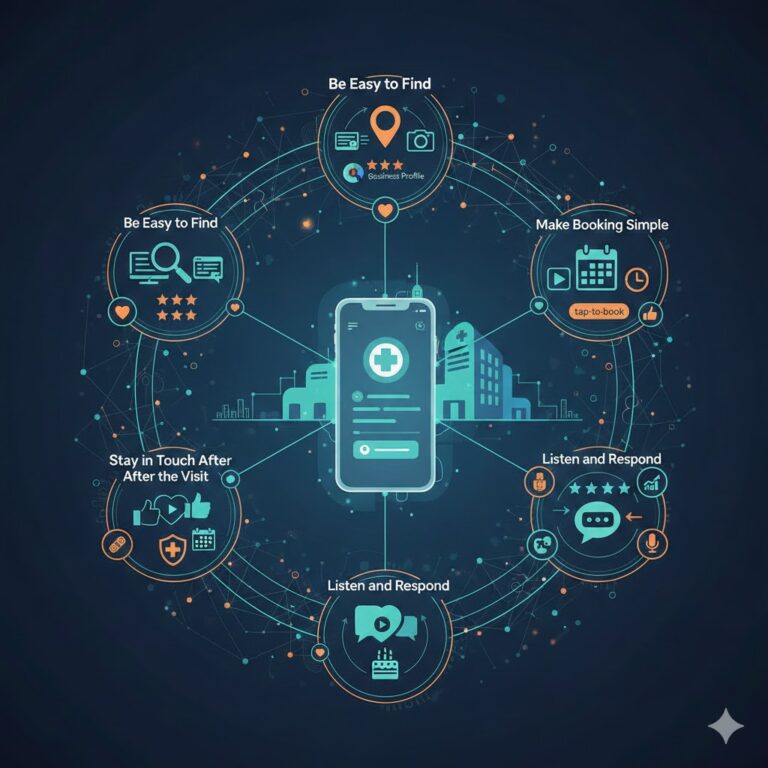
Patients today do not wait anymore. They want answers right now. They pick up their phones and search for help. If your clinic does not show up fast, they move to the next one. This is how people think in 2025.
Most patients book appointments online now. They do not like calling and waiting. They want to click and confirm. If your booking process takes too long, they give up. They find another clinic that makes things easier for them.
Trust starts before a patient walks into your clinic. They check your website and social media first. They look at photos of your clinic and read posts. If they see real updates and helpful tips, they feel safe. They believe you care about them even before the first visit.
After a patient leaves your clinic, the connection should not end there. A simple message asking how they feel makes them remember you. It shows you care about their health beyond one appointment. These small actions bring patients back when they need care again.
Patients leave reviews and share their experiences online now. Other people read these reviews before choosing a clinic. If you respond to feedback and make improvements, people notice that. They see you listen and want to give better care. This builds a strong reputation over time.
The way patients find and choose clinics has changed completely. They compare options in minutes on their phones. Clinics that do not adapt lose patients to those who do. These five marketing moves help you stay visible and trusted. They keep your clinic growing even when patient habits keep changing fast.
FAQs-
It means doing things today that still bring patients tomorrow, without changing everything again.
No. Small and established clinics need this even more to stay visible.
No. It supports word of mouth by making your clinic easier to trust and find.
No. Regular and simple updates matter more than daily posting.
No. When set properly, it reduces calls, questions, and missed visits.
Yes. Most patients now check online before calling or visiting.
Even older patients use phones or ask family members to search for them.
Yes. Clear booking and reminders help patients remember and return.
Yes. When done the right way, it builds respect and trust.
We help doctors apply simple steps that work today and stay useful in the years ahead.