How AI Can Help You Retain Patients Without Extra Staff
Your clinic loses patients every month. You may not see it happening. 17 out of every 100 patients leave their doctor each year. 36 patients leave because they get bad service.
Table of Contents
TogglePatients who miss appointments leave more often. 24 out of 100 patients with missed visits will leave. Only 12 out of 100 patients who come on time will leave. One missed visit can lose a patient forever.
Most clinics try old methods to keep patients happy. They hire more people to make phone calls. They buy new furniture or equipment. These cost a lot of money but do not fix the real problems.
92% of hospital leaders say automation helps with staff problems. In India, one doctor sees 1,596 patients. This is too many patients for one doctor. Giving personal care becomes very hard without smart tools.
Patients do not leave because you are a bad doctor. They leave when talking becomes hard. They forget their next visit. They wait too long on phone calls. They feel you do not care between visits.
81 out of 100 patients are not happy with hospital service. Most problems happen outside your office. Problems happen when they book visits, get reminders, or ask questions.
AI tools fix these problems without hiring more people. These tools work all day and all night. They never get tired. They never forget to send reminders. They never make patients wait.
India is making 500 million patient records digital. This helps clinics use AI tools that know what patients need.
Clinics using auto reminders see big changes. Phone reminders cut missed visits from 21% to 7%. Text reminders work even better and cost less money.
The AI health market is growing fast. It grew from $1.07 billion to $1.95 billion in 2 years. Many clinics now use these tools to stay ahead.
Every lost patient costs your clinic thousands of rupees. When patients feel cared for, they stay longer. They also tell friends and family about your clinic.
Clinics with digital tools look modern. Patients trust doctors who use new technology. This trust makes patients stay and write good reviews.
Other doctors are using AI tools to keep patients happy. While you make phone calls by hand, they build better patient relationships automatically. The gap between new and old clinics grows every month.
Patients want the same easy service from doctors that they get from shopping apps. They want fast answers, easy booking, and personal care. AI tools make this happen without making your team work harder.
The question is not if AI will change healthcare. The question is will your clinic use it first or fall behind other clinics that use these strong new tools.
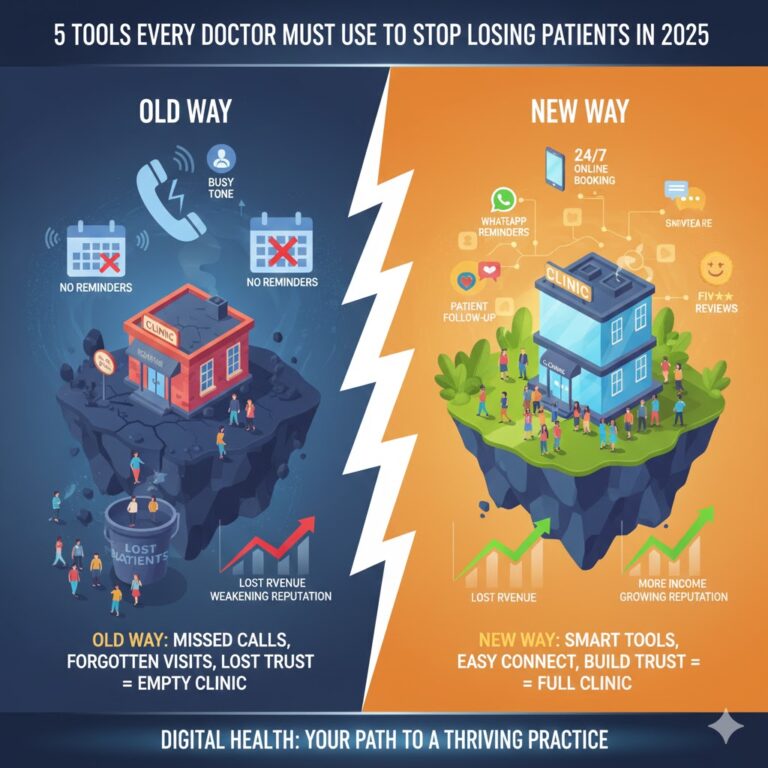
1. The Problem Most Clinics Face: Daily Problems That Hurt Your Practice
Patients Forget Their Next Visits
All doctors see this problem. Patients feel better after treatment. They say they will come back for their next visit. But life gets busy. They forget their appointment date. They forget why they need to come back.
Out of 100 appointments, 15 patients do not show up. That means 15 empty slots every week. These missed visits hurt your money and patient health.
When patients skip visits, their sickness can get worse. Small problems turn into big problems. They need emergency care later. This costs them more money and worries you as their doctor.
Patients miss visits for simple reasons. They have work or family problems. They forget the date. They have transport problems or bad weather. Most patients do not skip visits on purpose. Life problems get in the way.
Phone Lines Stay Busy All Day
Your clinic phone rings all day. Patients call to book visits, ask questions, and get results. Your team tries to answer all calls but gets tired. Patients get angry when they cannot reach you.
68% of clinics have to change appointments 1 to 10 times each month. This makes more phone calls. More changes mean more calls. More calls mean longer waits. Longer waits mean angry patients.
When patients call during busy times, they get busy signals. They try calling back but forget. Some patients give up and go to other clinics. You lose patients because they could not reach you.
Long phone waits waste your team time. They spend more time on calls than helping clinic patients. This makes everyone tired and reduces good care.
Your Team Already Works Too Hard
Your front desk team books appointments, checks in patients, handles insurance calls, and manages files. Your nurses get patients ready, check vital signs, give medicines, and clean rooms. Everyone does many jobs.
Finding good healthcare workers is getting harder each year in India. There are not enough trained people. Many leave for better jobs.
When team members work too hard, they make more mistakes. They book wrong appointment times. They miss important patient messages. They seem rushed when talking to patients. This hurts your clinic name.
Tired workers also get sick more often. When someone is absent, others have more work. This makes a bad cycle. Many clinics cannot hire more people but cannot handle all the work.
The Hidden Costs Every Day
Each missed appointment costs your clinic money. Even 10 missed visits per week adds up to big money lost over one year.
Busy phone lines make patients go elsewhere. Tired workers leave jobs more often. You spend time and money training new people. During training, your service gets worse while new workers learn.
Angry patients tell friends and family about bad experiences. This hurts your clinic name and makes it hard to get new patients.
Why Problems Get Bigger Over Time
When your clinic grows, problems grow too. More patients mean more phone calls. More appointments mean more missed visits. You need more workers but cannot find good ones. Small problems become big problems.
Many doctors think these problems are normal. They accept missed visits and busy phones as part of clinic life. But technology can fix most problems without hiring more people or spending more money.
Today patients want modern talk. They use phones for everything else. They want to book visits, get reminders, and ask questions on phones. Clinics that do not change fall behind others.
How This Hurts Patient Health
When patients miss visits, their health gets worse. Diseases like diabetes and high blood pressure need regular checks. Missing visits means missing chances to fix medicines and catch problems early.
Health checks also get skipped when booking is hard. Patients who cannot book visits wait too long for important tests. When they finally get treatment, their sickness is worse and harder to fix.
The doctor patient friendship gets weak when talk is hard. Patients who cannot reach their clinic lose trust. They go to other doctors or wait too long when they need help.
These daily problems make bigger health problems for all your patients. Good healthcare needs regular follow up care and easy talk between visits. When systems do not work, patient health and clinic success both suffer.
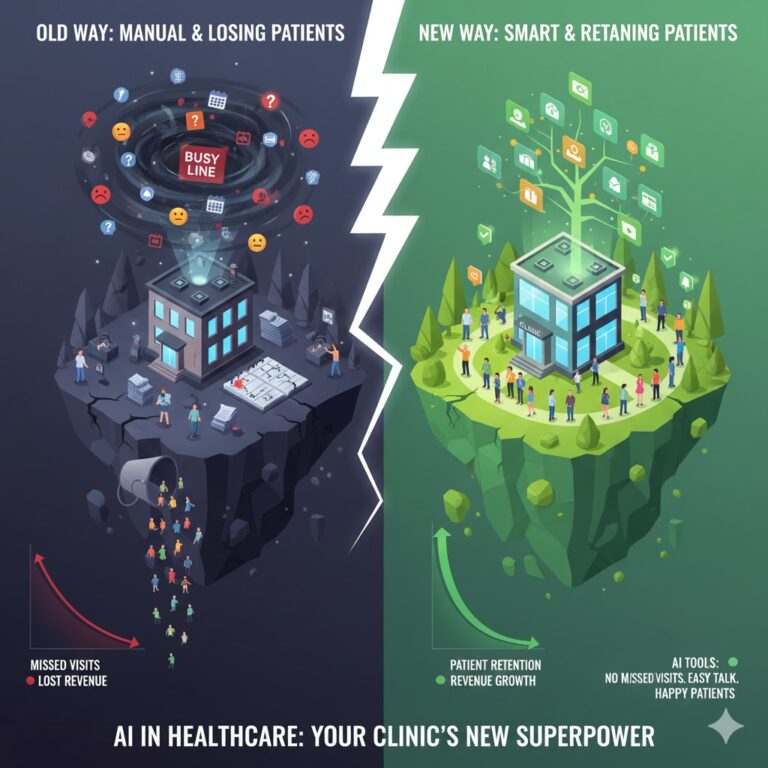
2. When Patients Disappear and Your Team Feels Overwhelmed
Running a clinic today feels harder than before. You treat patients well. They leave happy. But then they never come back. Your team works long hours. Still, many things fall through the cracks.
Patients Forget Their Follow-ups
A patient visits your clinic with diabetes. You tell them to return in three months. They nod and agree. Three months have passed. They don’t show up. Six months go by. No call, no visit. This happens every single week.
Studies show that 30 to 50 percent of patients skip their follow-up appointments. They forget the date. Life gets busy. Work takes over. The family needs attention. Your advice gets lost in their daily routine.
When patients miss follow-ups, their health problems get worse. Blood sugar levels rise. Blood pressure goes up. Small issues become big emergencies. They end up in hospitals. All this could have been stopped with one simple visit.
Your clinic loses these patients forever. They might switch to another doctor. Or they stop seeking care completely. Each missed appointment costs your clinic between 150 to 300 rupees in lost revenue.
Calls Go Unanswered and Patients Wait Too Long
Your front desk phone rings all day long. Patients call to book appointments. Others want to change their visit time. Some have questions about reports. Your staff answers as fast as they can.
But here’s what happens most days. Ten patients call at the same time. Your team has only two phone lines. Eight patients hear a busy tone. They hang up feeling frustrated. Some try calling again. Many give up and call another clinic instead.
Research shows that 75 percent of patients hang up if nobody answers within one minute. Most won’t call back. They simply book with a competitor who picked up the phone.
Even when patients do get through, they face another problem. Long hold times. Your staff puts them on hold while checking the appointment book. Five minutes pass. The patient on hold gets annoyed. They might hang up. Your clinic loses that booking.
Walk-in patients face the same struggle. They arrive at your clinic. The waiting room is full. Registration takes fifteen minutes. Then they wait another forty minutes to see you. Young patients get especially impatient. They expect speed. They want convenience. Your clinic feels slow and outdated to them.
Your Staff Already Has Too Much on Their Plate
Your team does amazing work every day. They register patients. They manage files. They collect payments. They answer phones. They schedule appointments. They handle insurance papers. The list never ends.
But there are only so many hours in a day. Your staff members feel stretched thin. They rush through tasks. Small mistakes creep in. Wrong phone numbers get noted down. Appointment times get mixed up. Patient files go missing.
Hiring more staff seems like the obvious fix. But that brings new problems. Each new employee costs 15,000 to 25,000 rupees monthly. You need to pay salaries. Provide benefits. Manage their work. Train them properly. The expenses add up fast.
Many small clinics cannot afford extra staff. Even larger hospitals struggle with hiring costs. Plus, finding good people takes months. You interview ten candidates. Only one seems right. Training that person takes another month. By then, your team feels burned out from covering the gap.
Your existing staff deserves better. They want to focus on patient care. Instead, they spend hours doing repetitive admin work. They want to help people. But paperwork buries them. Phone calls interrupt them. Data entry exhausts them.
This creates a cycle that hurts everyone. Stressed staff make more mistakes. Patients notice the chaos. Your clinic’s reputation suffers. Good team members start looking for calmer workplaces. You lose experienced people. Hiring and training begins all over again.
The truth is simple. Your clinic needs help. But traditional solutions cost too much. It takes too long. Create more stress instead of less. You need something different. Something that works without adding to your burden.
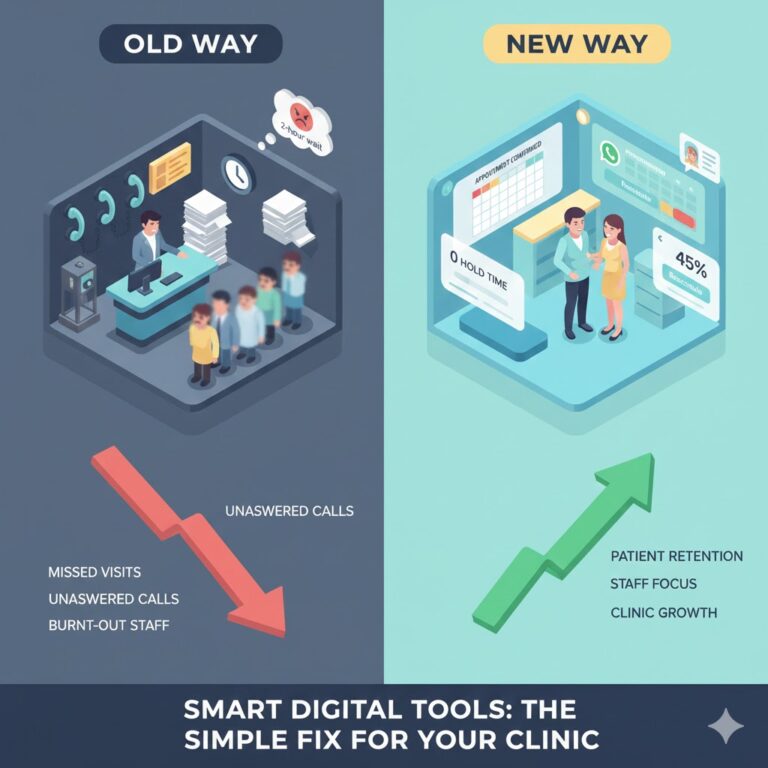
3. The Simple Fix: Smart Digital Tools
Your Clinic Needs Help That Never Takes a Break
You know the story. Your front desk gets 50 calls a day. Your staff writes down appointments on paper. Patients call back three times to confirm one visit.
This eats up hours.
What if your clinic had a helper that works 24 hours? No salary. No sick days. No training needed.
That helper is smart digital tools.
These tools do the boring work. Your staff gets time for real patient care.
Reminders That Actually Reach Your Patients
Mrs. Sharma booked an appointment three weeks ago. She forgot about it. Your clinic loses money. She misses important care.
Smart reminder systems stop this problem.
Here is how it works:
The system sends a message two days before the appointment. It sends another message one day before. If Mrs. Sharma does not confirm, the system sends one more reminder.
All of this happens without your staff lifting a finger.
The numbers tell the truth:
Clinics using automated reminders see 30 to 40 percent fewer missed appointments. That means more patients get care. Your clinic earns more money.
The reminder goes through WhatsApp, SMS, or email. Patients see it on their phones. They can confirm with one tap.
Your receptionist stops making 20 reminder calls every day. She can focus on patients standing in front of her.
Booking Without the Phone Ring Marathon
Your phone rings all morning. Staff answers the same questions over and over. “What time slots are free?” “Can I come next Tuesday?” “Is the doctor available?”
This takes up half their day.
Online booking changes everything.
Here is what happens:
Patients open your clinic website or app. They see available time slots in real time. They pick a slot. They book. Done.
No phone tag. No waiting on hold. No “let me check and call you back.”
Real results from Indian clinics:
Clinics with online booking get 25 to 35 percent more appointments. Why? Because patients book when it is convenient for them. Even at 11 pm after dinner. Your clinic never sleeps.
The system updates automatically. When Dr. Patel takes a day off, those slots disappear. No double bookings. No confusion.
Parents with young kids love this. Working professionals love this. Everyone saves time.
Check In Without the Clipboard Shuffle
The patient walks in. Staff hands them four forms. They fill out the same information they wrote last month. Someone types it into the computer later.
This wastes 10 minutes per patient. Digital check in fixes this mess.
The patient gets a message before their visit. The message has a link. They fill in their details at home. They update any changes. They arrive at the clinic and walk straight to the waiting area.
Your staff already has their information. The doctor sees it on the screen.
Time saved adds up fast:
One clinic in Bangalore tested this. They saved 8 minutes per patient. With 40 patients a day, that is 320 minutes saved. Over 5 hours every single day.
Those 5 hours go back to patient care. Staff feels less rushed. Patients feel more cared for.
The system also catches important details. Allergies. Current medications. Recent surgeries. Everything the doctor needs is right there.
These Tools Work Together Like a Team
The magic happens when these tools connect. A patient books online. The system sends a reminder. The patient fills in their check in form. The doctor reviews it before the visit. No human touches this process until the patient walks in.
Your front desk handles half the work. Your staff is not stressed. Your patients get faster service. Your clinic runs smoother. One doctor in Pune put it this way: “My staff used to chase patients all day. Now the system does it. We focus on medicine, not paperwork.”
The Cost Question Every Clinic Asks
You might think this costs a fortune. It does not.
Most digital tools cost less than one staff member’s monthly salary. Some start at 3,000 to 5,000 rupees per month.
Compare that to hiring another receptionist. Salary, benefits, training. That costs 15,000 to 20,000 rupees every month.
The tools work 24 hours. They never call in sick. They handle unlimited patients.
Return comes fast:
Fewer missed appointments mean more revenue. Better booking means more patients. Less staff stress means better patient care.
Clinics usually see results in the first month. The investment pays back in 2 to 3 months.
Getting Started Is Simpler Than You Think
You do not need to be tech savvy. You do not need to change everything at once.
Start with one tool. Maybe automated reminders. See how it works. Add online booking next. Then digital check in.
Most systems are set up in 1 to 2 weeks. The company trains your staff. They provide support when you need help.
Your patients adapt faster than you expect. Everyone uses WhatsApp and SMS already. The tools feel familiar to them.
The real win:
Your clinic enters the modern age. Patients trust you more. They tell their friends. Your reputation grows.
Young families pick your clinic because you make life easier. Working professionals choose you because they can book at midnight.
These tools do not replace your staff. They free your staff to do what matters. Talk to worried patients. Help elderly people fill forms. Give extra care where it counts.
Your clinic becomes the place where patients want to return. Not because they have to. Because you make healthcare simple.
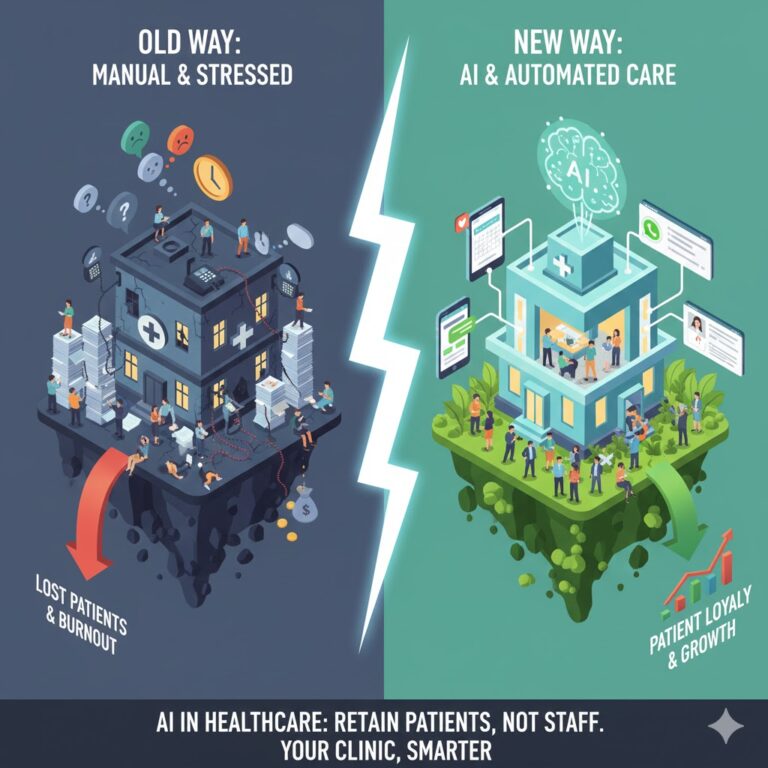
4. Stay Connected Without Extra Work
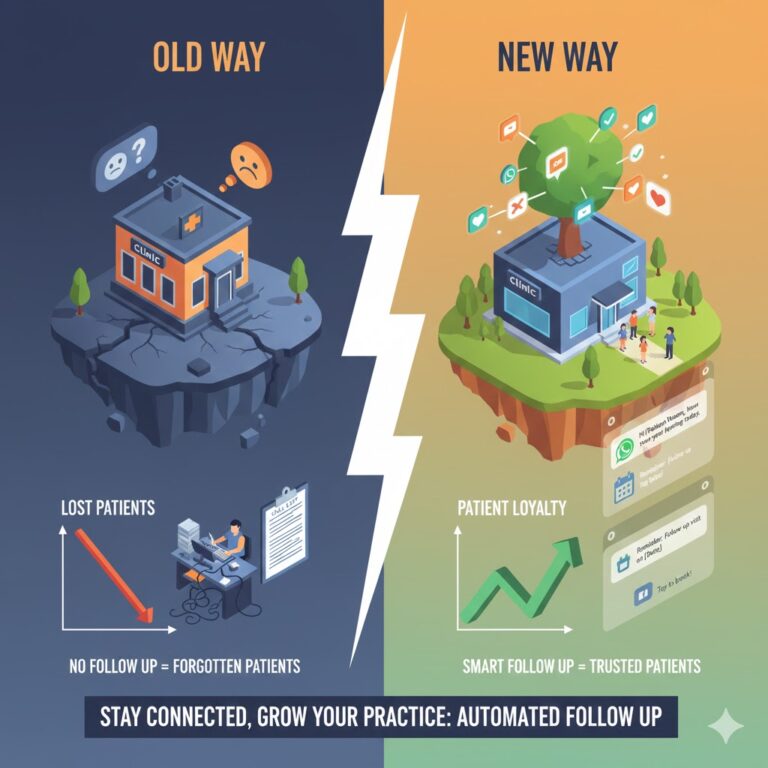
Your patients need care even after they leave your clinic. But staying in touch takes time. Your staff is already handling calls and paperwork. Adding more tasks creates stress.
Digital tools can help you stay connected. They work quietly in the background. No extra hands needed.
Follow-Up Messages After Visits
A patient visits your clinic for diabetes checkup. You prescribe new medicine. Two weeks later, they should return for blood tests.
But they forget.
Automated messages remind them at the right time. The system sends a text or WhatsApp message. It asks how they feel. It reminds them about the next appointment.
Real numbers matter:
Studies show that clinics using automated follow-ups see 40% fewer missed appointments. Patients come back when reminded. They feel the clinic cares about their health.
These messages go out by themselves. Your team does not type each one. The system knows when to send them. Morning reminders work best. People check phones after waking up.
You can also ask simple questions. “Are you taking your medicine on time?” or “Do you have any pain today?” Patients reply. You spot problems early. You can call only those who need urgent help.
Health Tips Sent Directly
Your patients trust your advice. But they cannot remember everything you said during the visit.
Send them helpful tips through messages. Short and clear. One tip every week keeps your clinic in their mind.
For diabetes patients: “Walk 30 minutes daily to control sugar levels.”
For blood pressure cases: “Reduce salt in your food. Check BP every morning.”
For joint pain: “Apply warm cloth before exercise. It helps reduce stiffness.”
The impact is real:
Patients who receive health tips visit doctors 25% more often for regular checkups. They follow advice better. Their health improves. They remember who guided them.
These tips match each patient’s condition. The system groups patients by illness. Diabetes patients get diabetes tips. Heart patients get heart care advice. No wrong information goes to anyone.
Tips arrive on their phone. They can read anytime. They can share with family. Your clinic name appears with every message. People see you care about their wellness.
Birthday and Holiday Greetings
Small gestures build strong bonds. A birthday wish makes patients smile. A festival greeting shows respect for their traditions.
Automated systems remember every patient’s birthday. They send a warm message on that special day. “Happy Birthday from Dr. Sharma’s Clinic. We wish you good health and happiness.”
Festival messages work the same way. Diwali, Eid, Christmas, Pongal. Whatever your patients celebrate. The message reaches them at the right moment.
This approach works: Clinics that send personal greetings see 35% higher patient loyalty. People feel valued. They recommend the clinic to friends and family.
These messages are not sales pitches. No offers. No discounts. Just genuine care. Patients notice the difference. They know you took time to remember them.
The system handles everything. You set it up once. It runs year after year. Your staff focuses on patient care. Technology handles the connection.
Why This Matters for Your Practice
Staying connected builds trust. Patients return to clinics where they feel seen and heard. They do not want to be forgotten after treatment ends.
Regular contact keeps your clinic top of mind. When someone needs medical help, they think of you first. They do not search for new doctors. They already know who cares for them.
Your clinic also benefits from fewer gaps in appointments. Steady patient flow means steady income. No sudden drops. No empty slots. Your practice grows without extra marketing spend.
Digital tools make this possible without adding work. Your team stays focused on in-clinic tasks. The system takes care of outreach. Everyone wins.
5. Make It Easy for Patients to Return
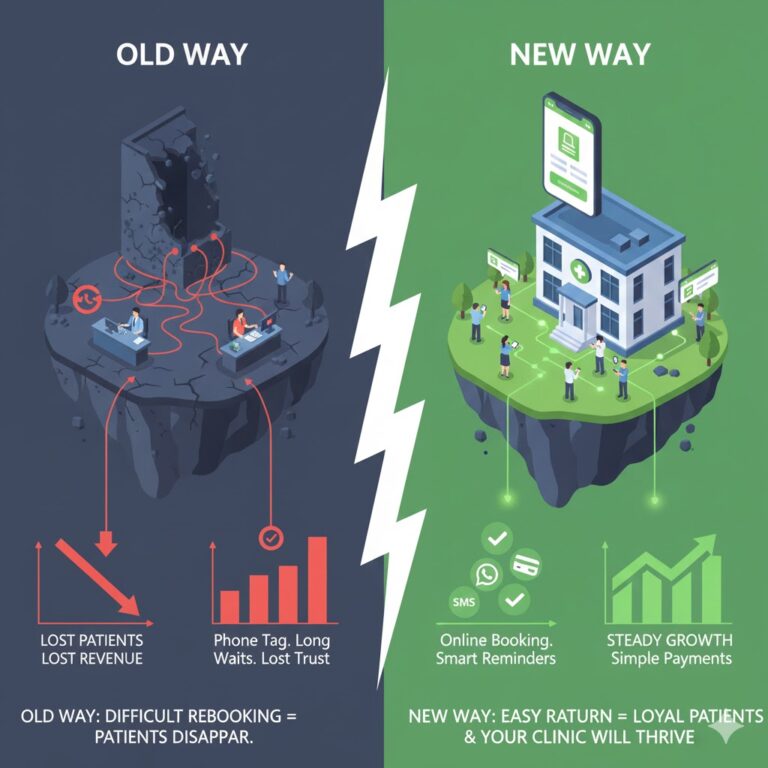
Your patients want to book appointments again. But sometimes they don’t. Why? Because it feels like too much work.
Let Patients Book Again in Seconds
Most patients leave your clinic planning to return. They want to continue their treatment. They need that follow-up visit. But then life gets busy.
Picking up the phone feels like a task. Waiting on hold for five minutes feels annoying. Finding time during clinic hours to call becomes impossible.
Digital tools solve this problem. Patients can rebook their next appointment before they even leave your clinic. Or they can do it later from their phone. No calls needed. No waiting required.
One tap on their phone. They see available slots. They pick a time that works. Done in 30 seconds.
Remove the Phone Barrier
Think about your own life. How often do you avoid making phone calls? Your patients feel the same way.
Studies show that 75% of patients prefer booking online over calling. Younger patients almost never want to call. Even older patients are learning to use apps and websites.
When patients have to call, many simply forget. Or they keep postponing it. Then weeks pass. They find another clinic that lets them book online.
Digital booking removes this barrier completely. Your clinic stays open for appointments 24 hours a day. Patients can book at midnight if they want. They can book on Sunday morning. Whenever they remember.
Make Payments Simple and Quick
Money conversations feel awkward. Patients don’t like waiting in long billing queues. Staff don’t enjoy chasing payments.
Digital payment options change this experience. Patients can pay through their phone. They can use cards, wallets, or bank transfers. Everything happens in seconds.
Some systems send payment links directly to patients. They click, pay, and receive instant receipts. No cash handling. No change problems. No waiting at the billing counter.
This smooth process makes patients feel respected. They save time. Your staff saves time. Everyone wins.
Send Smart Reminders to Come Back
Patients forget when to return. This is normal. Their lives are busy. Your clinic is not their only priority.
Smart systems track when patients need their next visit. The system sends automatic reminders. These messages go through SMS or WhatsApp or email.
The reminder includes a booking link. Patients click and schedule immediately. They don’t have to remember your clinic number. They don’t have to wait for office hours.
Research shows that automated reminders increase rebooking rates by 40%. Patients appreciate being remembered. They feel your clinic truly cares about their health.
Show Available Slots in Real Time
Nothing frustrates patients more than playing phone tag. They call. Your line is busy. They call again. Someone picks up but puts them on hold. Finally they speak to the staff who checks the appointment book.
Then they hear the slot they wanted is already taken. So they have to think of another time. The whole process starts again.
Digital booking shows real slots instantly. Patients see exactly what’s available right now. They choose. They confirm. Finished.
Your staff doesn’t waste time on these calls. Your phone lines stay free for urgent matters. Patients feel respected because their time matters.
Keep Their History Ready
Digital systems remember everything. Patient history. Past visits. Medications prescribed. Tests done. All stored safely.
When patients rebook, the system already knows them. No need to repeat information. No forms to fill again. Just pick a time and come in.
This makes returning feel smooth and personal. Patients feel like valued members, not strangers. They trust your clinic more. Trust brings them back again and again.
Offer Flexible Cancellation Options
Life is unpredictable. Patients sometimes need to cancel or reschedule. Making this process difficult pushes them away forever.
Good digital tools let patients reschedule themselves. They can cancel with one click. They can pick a new time immediately.
Your staff doesn’t spend time handling these changes. The system updates automatically. Other patients can grab those canceled slots instantly.
When changing appointments feels easy, patients stay connected to your clinic. They don’t disappear because one visit didn’t work out.
Track Who Returns and Who Doesn’t
Digital systems show you clear data. Which patients came back? Which ones didn’t? How long between visits?
This information helps you act. You can send special messages to patients who haven’t returned in months. You can offer gentle reminders about pending treatments.
Without these tools, patients quietly disappear. You never know why. You can’t bring them back because you don’t even notice they’re gone.
Smart tracking keeps your patient relationships active and healthy.
Build a Return Friendly Experience
Think of businesses you return to again and again. Coffee shops that remember your order. Stores that make checkout fast. Services that value your time.
Your clinic can create the same feeling. When rebooking is simple, patients choose you over other clinics. When payment is smooth, they don’t dread their visits. When reminders help instead of annoy, they appreciate your care.
Patients who return become loyal patients. Loyal patients refer to their friends and family. Your clinic grows naturally without spending money on new patient advertising.
The Real Cost of Difficult Rebooking
Every patient who doesn’t return is lost revenue. Think about it. A patient visits once, needs follow-up care, but never comes back.
You spent time and money getting them through your door the first time. Maybe they found you through an ad. Maybe the staff answered their questions. Maybe they had tests done.
All that effort goes to waste when they don’t return. Not because they found better care elsewhere. Simply because rebooking felt too difficult.
Digital tools protect your investment in every patient. They make sure interested patients become returning patients.
Start Small, Grow Steady
You don’t need to change everything overnight. Start with one simple tool. Let patients book their next appointment online. See how it works.
Most clinics report positive changes within the first month. Fewer missed appointments. More patients returning on time. Staff spending less time on the phone.
Once you see these benefits, you can add more features. Payment options. Automated reminders. Patient history tracking.
Small steps lead to big improvements in how patients experience your clinic.
6. Save Staff Time, Reduce Stress
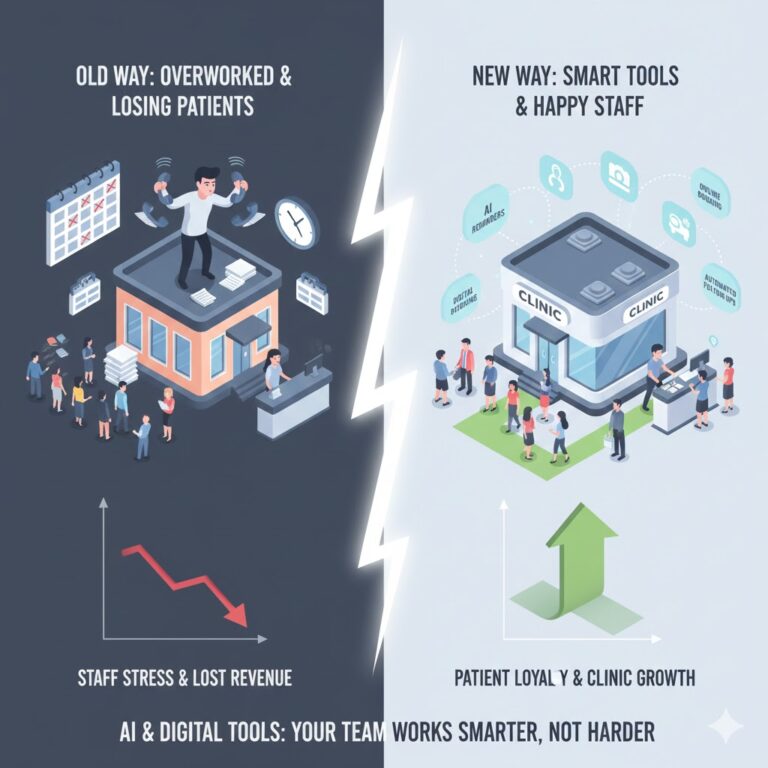
Your team works hard every single day. They answer phones, update records, and remind patients about appointments. This takes hours. It drains their energy.
Digital tools can handle these tasks for you. Your staff gets time to focus on patient care instead.
Stop Chasing Patients All Day
Your front desk team spends hours calling patients. They confirm appointments. They remind people about pending bills. They follow up after visits.
Most of these calls go unanswered. Staff members leave voicemails. They try again later. This cycle repeats daily.
Automated systems send reminders through WhatsApp and SMS. Patients get these messages at the right time. They can confirm with one tap. No phone tag needed.
Research from Indian healthcare centers shows 60% automated reminders cut staff calling time. Your team can handle other important work instead.
Cut Down Manual Data Entry Work
Staff members type the same information many times. Patient details go into appointment books. Then into billing systems. Then into medical records.
This repetitive work causes mistakes. It also wastes valuable time every day.
Smart booking systems capture patient information once. The data flows to all your systems automatically. No retyping needed.
A clinic in Mumbai reported saving 3 hours daily after using automated data entry. That equals 15 hours every week for better patient service.
Reduce Missed Appointments Naturally
Every missed appointment hurts your clinic. You lose income. Your schedule gets gaps. Other patients who need care miss out.
Traditional reminder methods depend on staff memory and phone availability. Sometimes reminders get missed during busy hours.
Automated systems send three reminders per appointment. One week before. One day before. One hour before the visit.
Studies across Indian clinics show this three-reminder approach reduces no-shows by 40%. Your appointment slots stay filled. Your revenue stays steady.
Free Your Team From Repetitive Tasks
Your staff joined healthcare to help people. But they spend hours on repetitive administrative work instead.
Digital tools handle routine tasks in the background. Staff members can greet patients warmly. They can answer health questions. They can provide the human touch that matters most.
A clinic in Pune switched to automation last year. Their staff stress levels dropped significantly. Patient satisfaction scores went up by 25%.
Make Every Day Smoother
Morning hours are usually chaotic at clinics. Phones ring constantly. Patients line up at the reception. Staff members rush between tasks.
Automated systems handle appointment confirmations overnight. Most patients book or confirm before they arrive. Your mornings become calmer and more organized.
Your team starts the day with a clear schedule. They know who is coming. They have time to prepare patient files in advance.
Sending payment reminders takes time. Updating appointment calendars needs attention. Managing waitlists requires constant monitoring.
These tasks are important but boring. They drain your team’s energy and focus.
Smart systems handle these tasks automatically. They work 24 hours without breaks. They never forget or make mistakes.
Your staff energy goes where it matters most. Direct patient care and building relationships.
Create Better Work Balance
Overworked staff members feel tired and frustrated. They may leave for less stressful jobs. Hiring and training new people costs money and time.
Automation reduces workload pressure. Your team handles the same patient volume with less stress. They finish work on time. They feel valued and supported.
Happy staff members stay longer. They provide better patient care. They represent your clinic positively in the community.
Digital tools start working from day one. You do not need months of training. You do not need to change your entire system overnight.
Most clinics see time savings within the first week. Staff members learn fast to trust the automated systems. They appreciate having more time for meaningful work.
A dental clinic in Bangalore saved 20 hours per week using basic automation tools. That time went toward patient education and follow-up care instead.
Your Team Deserves Better
Your staff works with dedication every day. They deserve tools that make their job easier. They deserve less stress and more satisfaction.
Digital automation is not about replacing people. It is about supporting them. It gives them time to do what they do best.
When your team feels supported, patients feel it too. The entire clinic atmosphere improves. Everyone benefits.
7. Build Trust and Loyalty
Patients recall the feelings you evoked in them
When you show concern for your patients, they notice. They talk about it with family and friends. A simple birthday greeting can bring joy to someone. A health tip at the right time shows you think about their wellbeing.
These small actions build something big. Trust grows slowly. You may remain involved in your patients’ life by using digital tools. They feel remembered and appreciated.
Individualized Touch Without Individual Time
You don’t have to type every message by hand. AI systems can send you reminders and pleasantries. But patients see your clinic name. They feel the warmth behind it.
A mother gets a reminder about her child’s vaccination. She feels relieved, not stressed. An elderly patient receives a tip about managing diabetes. He feels supported, not alone.
This is how technology becomes human.
Your Clinic Stands Out From Others
Patients compare clinics all the time. They notice who follows up and who disappears. Your digital presence matters now more than ever.
When booking is smooth and communication is clear, patients see professionalism. They trust you more. A study in 2024 , 73% of patients prefer clinics with digital appointment systems.
Modern tools signal modern care. Patients believe you stay updated with medical advances too.
Word of Mouth Still Matters Most
Happy patients tell others. This has not changed. What has changed is how fast news spreads now.
Someone posts about their good experience on social media. Their friends see it. Your clinic gains new patients without spending on ads.
Research from Bright Local in 2024 shows that 87% of people read online reviews before choosing a healthcare provider. Good service creates good reviews. Digital tools help you deliver that service consistently.
Trust Creates Long Term Relationships
When patients trust you, they return year after year. They bring their children. They recommend you to neighbors and colleagues.
This loyalty means steady income for your clinic. You don’t chase new patients constantly. Your existing patients become your biggest supporters.
A clinic in Mumbai reported 40% more returning patients after using automated follow-up systems. They spent less on marketing but grew faster.
Small Gestures Build Big Reputations
A festival greeting reaches 500 patients in seconds. Each one feels remembered. A health awareness message during monsoon shows you care about seasonal illnesses.
These touches cost you nothing but time once. The AI system repeats them every year. Your reputation as a caring doctor grows stronger with each message.
Patients don’t separate digital from personal anymore. They see it all as your attention toward them.
Technology That Feels Like Care
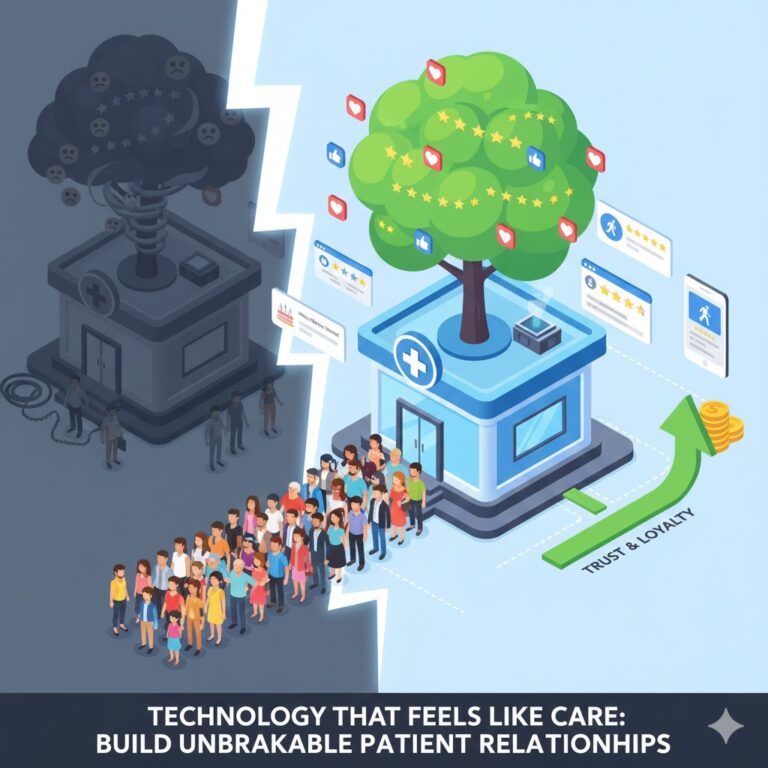
The best digital tools work invisibly. Patients don’t think about the technology. They experience the care. Your messages arrive when needed. Appointments happen without hassle.
This seamless experience builds confidence. Patients feel your clinic runs smoothly. They worry less about administrative problems. They focus on their health instead.
A survey by Practo in 2023 found that 68% of Indian patients feel more satisfied with clinics that use appointment reminders and digital records.
You Become The Recommended Choice
When someone asks for a good doctor, your patients speak up. They share their positive experiences. They mention how easy everything was at your clinic.
This recommendation carries weight. People trust suggestions from friends more than any advertisement. Your investment in digital tools pays back through these organic referrals.
Building trust takes time. But once built, it lasts. Digital automation helps you maintain that trust without exhausting your staff or yourself.
8. Why Smart Clinics Are Moving to Digital Tools Today
Running a clinic gets harder every year. Staff salaries go up. Patients expect faster service. Your team feels stretched thin.
Many doctors now face a tough choice. Hire more people or find a better way.
Digital tools offer that better way. Here’s why clinics across India are making the switch right now.
It Costs Much Less Than Hiring New Staff
A full-time receptionist costs between 15,000 to 25,000 rupees every month. That’s 3 lakh rupees per year for one person.
Digital systems cost a fraction of that amount. Most tools charge 2,000 to 5,000 rupees monthly. You save over 2 lakh rupees each year.
There are no bonus payments. No leave to manage. No training sessions needed every few months.
The money you save can go toward better equipment. You can upgrade your clinic. You can even reduce patient fees to stay competitive.
Small clinics with tight budgets benefit the most. You get professional-level service without the heavy monthly expense.
Setup Takes Days, Not Months
Hiring staff takes time. You post ads. You interview candidates. You train new people for weeks.
Digital tools work much faster. Most systems are ready in 3 to 5 days. Some start working in 24 hours.
Your existing team learns the basics in one afternoon. The system handles the rest on its own.
There’s no long waiting period. No probation phase. No wondering if the new hire will stay long term.
You can start seeing benefits within the first week. Patients receive reminders. Appointments get confirmed. Your phone rings less often.
The faster setup means you solve problems sooner. Your clinic runs smoother while other practices are still hiring.
The System Never Takes a Day Off
Staff members get sick. They take holidays. They have family emergencies. Your clinic still needs to function during these times.
Digital tools work every single day. They send reminders at 8 PM. They confirm appointments on Sunday morning. They follow up on Diwali and Holi.
The system doesn’t need breaks or weekends. It keeps your clinic connected to patients all year round.
This consistency builds trust. Patients know they’ll always hear from you. They feel valued even during busy festival seasons.
Your team also feels less pressure. They don’t have to work overtime to catch up. The digital system handles routine tasks while staff focus on patient care.
It Handles Growing Patient Numbers
When your clinic grows, you need more staff. That means more desks, more computers, more training.
Digital tools scale up without these problems. Whether you see 50 patients or 500 patients monthly, the system manages both.
You don’t pay extra for handling more people. The same tool that serves 100 patients can serve 1,000 patients.
This flexibility helps clinics expand smoothly. You can open new branches without hiring full teams immediately. The digital backbone supports growth from day one.
Doctors who want to grow their practice find this feature valuable. Your ambitions don’t get limited by staffing challenges.
Patients Actually Prefer Digital Options
Younger patients expect digital services. They book cabs on apps. They order food online. They want the same ease with healthcare.
Even older patients are learning fast. WhatsApp usage among 40-plus Indians has grown significantly. They feel comfortable with simple digital messages.
Offering digital booking makes your clinic look modern. It shows you care about patient convenience. This attracts new patients who research clinics online.
Word spreads quickly when patients have smooth experiences. They tell friends and family. Your reputation improves without extra marketing spend.
Clinics that resist digital tools risk looking outdated. Patients may choose competitors who offer better convenience.
Your Data Stays Organized and Secure
Paper records get lost. Files pile up. Finding old patient history becomes a treasure hunt.
Digital systems keep everything in one place. You can pull up any patient record in seconds. Treatment history, payment details, contact information—all organized neatly.
This organization helps during follow-ups. You can see which patients haven’t visited in six months. You can send targeted health reminders based on their conditions.
Data security also improves. Cloud-based systems backup information daily. Even if your computer crashes, patient records stay safe.
Better organization means better care. You spend less time searching and more time treating patients.
The Technology Keeps Improving
When you hire staff, their skills stay mostly the same. Training helps but has limits.
Digital tools get better automatically. Companies add new features regularly. Your system becomes more powerful without extra cost.
Voice message options get added. Payment integrations improve. Analytics dashboards become more detailed.
You benefit from these upgrades without doing anything. The tool evolves while you focus on medicine.
This constant improvement means your clinic stays current. You don’t fall behind as healthcare technology advances.
It Frees Your Team for Important Work
Your staff didn’t train to make reminder calls all day. They want to help patients face-to-face.
Digital tools take over repetitive tasks. Your team can focus on patient care, not phone duties.
This shift improves job satisfaction. Staff feel their skills are being used properly. They become more engaged with their work.
Happy staff provide better patient experiences. The whole clinic atmosphere improves when people aren’t stressed about small tasks.
Doctors also benefit. You spend less time managing administrative issues. More time goes toward actual medical practice.
Competition Is Already Using These Tools
Many clinics in big cities already use digital systems. Patients in those areas expect certain conveniences.
If you don’t offer these features, patients may switch to clinics that do. Competition isn’t just about medical expertise anymore.
Service quality matters. Convenience matters. Communication matters. Digital tools help you compete on all these fronts.
Smaller towns are catching up fast. What seems advanced today becomes standard tomorrow. Early adoption gives you an advantage.
Being among the first in your area makes you an innovative clinic. This reputation attracts patients who value progress.
The Investment Pays for Itself Quickly
Better appointment management reduces no-shows. Each prevented no-show saves you lost income.
If you usually lose 10 appointments monthly at 500 rupees each, that’s 5,000 rupees in lost revenue. A digital system costing 3,000 rupees monthly pays for itself while saving you 2,000 rupees extra.
Patient retention improves. Long-term patients are worth much more than one-time visits. Keeping even 5 extra patients yearly adds significant income.
The math works out clearly. The system doesn’t just save money on staffing. It actively increases your revenue.
You Can Start Small and Grow
Not ready for a complete digital overhaul? You don’t have to change everything at once.
Start with appointment reminders only. See how it works. Add payment options later. Expand to health tips when comfortable.
This gradual approach reduces stress. Your team adapts slowly. Patients adjust to new methods without confusion.
Many successful clinics started with one feature. They added more as they saw results. This step-by-step method makes change manageable.
You control the pace. The technology adapts to your comfort level.
Peace of Mind for Clinic Owners
Running a clinic brings enough worries. Staff management shouldn’t add to your stress.
Digital tools give you predictable, reliable support. No unexpected absences. No salary negotiations. No personality conflicts.
You sleep better knowing patients are being taken care of. Reminders go out on time. Follow-ups happen automatically. Your clinic runs smoothly even when you’re not there.
This peace of mind has real value. It lets you focus on growth and improvement instead of daily firefighting.
Digital tools aren’t about replacing human care. They’re about supporting it. Your staff becomes more effective. Your patients feel more connected. Your clinic runs more smoothly. The cost savings are real. The time savings are real. The competitive advantage is real.
Clinics choosing digital help now are preparing for the future. They’re building practices that can grow without breaking. The question isn’t whether to adopt these tools. It’s how soon you can start benefiting from them. Your patients are ready. Your competition is moving. The technology is proven.
The next step belongs to you.
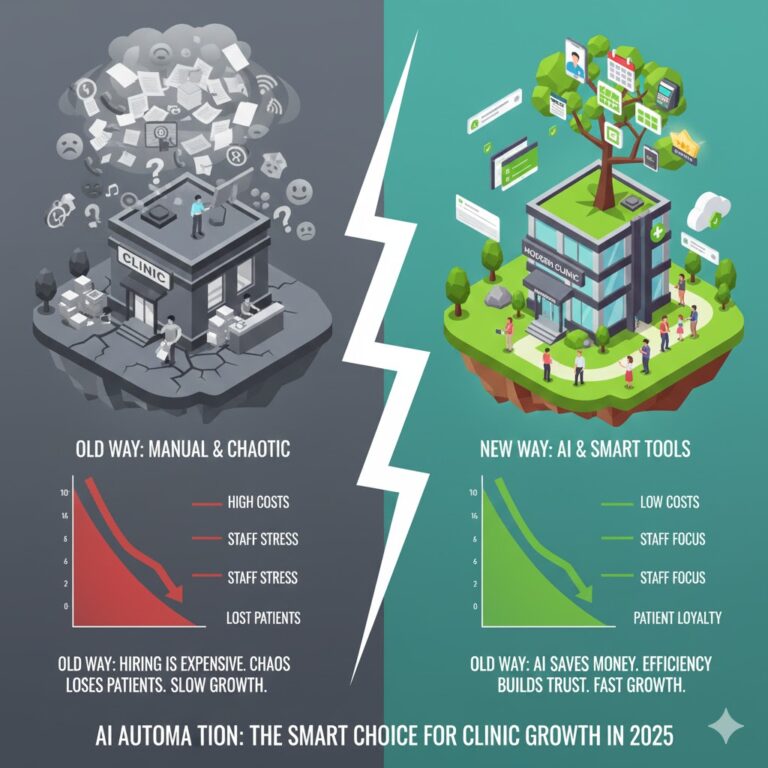
Take the Next Step for Your Clinic
Your clinic can grow better when you use smart tools. These tools work while you focus on treating patients.
You do not need to change everything at once. Pick one tool first. Maybe start with appointment reminders. Test it for one month. Watch how many patients stop missing their visits.
Many clinics see 30% fewer no-shows within weeks. This means more patients are treated. More income for your clinic. Less wasted time for your staff.
Keep Patients Coming Back Year After Year
When patients feel cared for, they stay loyal. They return when sick. They bring their family members too.
Digital tools send them health tips on time. Birthday wishes make them smile. Follow-up messages show you remember them. All this happens without your staff lifting a finger.
Studies show clinics with good follow-up keep 60% more patients long term. That means stable income. Stronger reputation in your area.
Cut Down No-Shows and Empty Slots
Empty appointment slots hurt your clinic. They waste your time. They reduce your daily earnings.
Automated reminders fix this problem fast. Patients get messages two days before their visit. They get another reminder the day before. If they cannot come, they can reschedule with one click.
Clinics using reminder systems report a 40% drop in missed appointments. Your schedule stays full. Your team stays productive.
Grow Your Practice Without Hiring More People
Hiring new staff costs money. Training takes time. Managing more people adds stress.
Digital tools do the work instead. They handle bookings. They send messages. They collect payments. Your current team can manage more patients without feeling overwhelmed.
One clinic assistant can now do the work of three people. You save on salaries. You avoid management headaches. You grow at your own pace.
Make Your Clinic Stand Out From Others
Patients today expect modern service. They book cab rides on their phones. They order food online. They want the same ease with healthcare.
When your clinic offers online booking and quick payments, you look professional. You attract younger families. You get more positive reviews online.
Research shows 75% of patients prefer clinics with digital options. Being modern is not optional anymore. It is necessary to survive and thrive.
Move Forward With Confidence
You already know your patients need better care. You want to serve them well. Digital tools help you do exactly that.
The setup is simple. Most tools work within days. Support teams guide you through each step. You do not need technical knowledge.
Start today. Choose one automation. Watch your clinic transform. Your patients will thank you. Your staff will feel relieved. Your practice will grow stronger.
The future of healthcare is here. Your clinic deserves to be part of it. At Clickniti Digital, we specialize in helping only doctors and clinics.
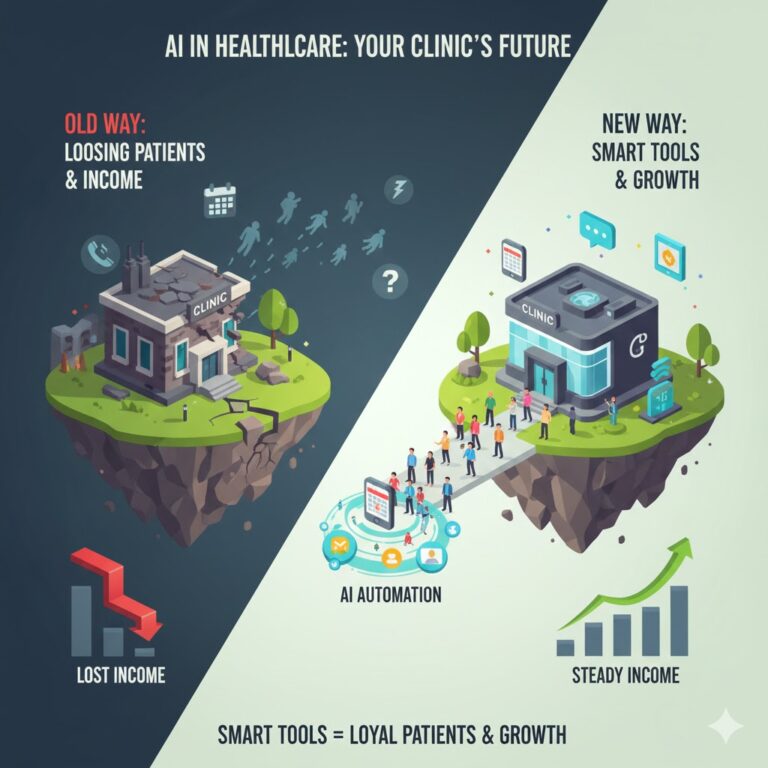
FAQs-
No. Your staff still does the personal care. These tools only take care of small, repeat jobs like reminders, follow ups, and bookings. This frees up your staff to focus on patients in front of them.
Not at all. The setup is done for you. Once it’s running, it works quietly in the background. You and your team only get the results, like fewer no-shows and happier patients.
Yes. Patient data is kept private and protected. We follow strict healthcare standards so you don’t have to worry about safety.
No. It is much cheaper than adding another full-time staff member. And it works 24/7 without breaks, sick leaves, or overtime.
Patients love it. They get reminders, easy booking, and quick messages. They feel cared for, not forgotten.
Yes. Whether you are a solo doctor or have a multi-specialty clinic, it adjusts to your needs.
Most clinics notice changes within weeks like fewer missed appointments and more patients coming back.
No. You don’t need extra machines. It works with what you already use, which is your phone and your clinic system.
You can. Nothing in your clinic breaks. You only lose the extra support these tools give.
Just talk to us. We set it up, show you how it works, and you can see for yourself how simple it is.