The Doctor’s Guide to Turning Casual Visitors Into Loyal Patients
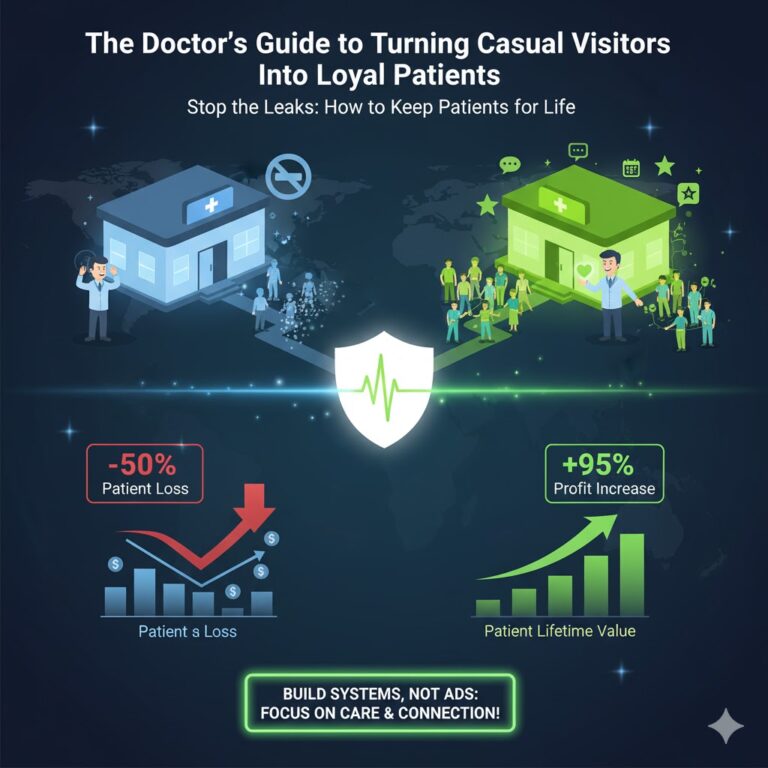
I run ads every month to bring new patients to my clinic. My Google ads work. My Facebook posts reach people. New patients book appointments. They come for their first visit. Then something strange happens. Half of them never come back.
Table of Contents
ToggleThis keeps happening month after month. I spend money bringing them in. Then they disappear after one visit. For years I thought this was normal. I thought all doctors face this problem. Then I saw the numbers and everything changed.
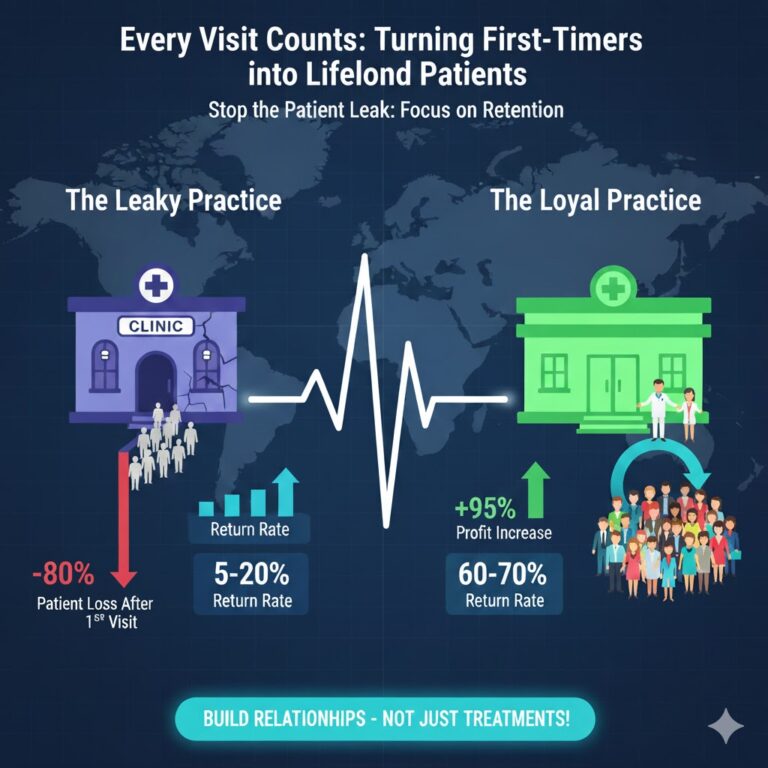
New patients have only a 5 to 20% chance of coming for a second visit. This shocked me when I first learned it. Out of every 10 new patients I bring through my door, only 1 or 2 will return. The other 8 or 9 will go somewhere else for their next health need.
But here is what surprised me. Their estimated probability of returning for existing patients is 60% to 70%. That means if I do a good job and keep in touch, 6 or 7 out of every 10 will come back to me. The difference between new and old patients is huge.
I was chasing the wrong goal the entire time. I thought I needed more new patients to grow my clinic. I spent all my marketing money on bringing fresh faces through the door. But the real opportunity was sitting right in front of me. My existing patients wanted to come back. They wanted to choose me again. I was not giving them a reason to remember me.
The math tells an important story about my clinic’s money. Acquiring a new patient costs 6 to 7 times more than maintaining an old one. And every time I lose a patient after one visit, I lose all the money spent to bring them in. Then I have to spend that money again to replace them with someone new.
Most doctors lose about 50% of their patient base over five years. This means half of all the patients I treat today will be gone in five years. They will find another doctor. They will visit another clinic. They will forget about me. This is not because I gave them bad treatment. This happens because I lost touch with them.
The profit numbers opened my eyes even wider. A 5% increase in keeping the patients can raise my profits 25% to 95%. That means that keeping 5 more out of each 100 patients can actually double the income of my clinic. I do not need hundreds of new patients; what I need is to keep the ones I already have.
I started looking at my own clinic’s numbers. The average patient brings between $12,000 and $15,000 in lifetime value. When someone visits me for years, they are worth more than a dozen one time visitors. They come for checkups. They bring their family. They follow my treatment plans. They trust me with their health over time.
But I was treating every patient the same way. I would see them once. I would solve their problem. Then I would move on to the next patient. No follow up. No reminders. No messages to check how they were feeling. I thought good medical care was enough. I learned it is not.
Patients today expect more from their doctors. 81% of patients feel unsatisfied with the care they got from their healthcare provider. This does not mean the medical treatment was bad. It means that the experience left them feeling forgotten. They want to feel cared for beyond the examination room.
My clinic was bleeding patients and I did not even know it. The average healthcare business has a 45% growth rate but a 48% churn rate. This means I was losing patients faster than I was gaining them. My marketing was bringing people in through the front door. But they were walking out the back door after one visit.
I realized something important about patient loyalty. Loyal patients are not born. They are created through consistent care and communication. When I stay connected with my patients between visits, they remember me. When I send them health tips, they see me as their trusted doctor. When I remind them about checkups, they feel valued.
The cost of ignoring this problem is real. 19% of healthcare organizations lose 20% of their revenue because of poor patient retention. Some clinics lose even more. 43% of healthcare businesses lose more than 10% of their income from patients who never return. This money disappears because doctors like me were not paying attention.
I learned that most doctors do not even understand their patient loss problem. 20% of practices admit they do not know where or why patients leave. 47% say they only have a moderate understanding of the issue. Only one third manage patient retention very well. Most of us are losing patients and we do not know how to stop it.
The truth about ads and return on investment became clear. My ads were working. They brought patients in. But my retention was failing. I was not keeping them. This meant my return on investment was terrible. I was spending money over and over to replace patients I should have kept.
This guide will show you how to change this pattern. You do not need more ads. You do not need bigger marketing budgets. You need systems that turn first time visitors into loyal patients. You need ways to stay connected after they leave your clinic. You need tools that make patients feel remembered and valued.
Every section of this guide focuses on one simple truth. Keeping patients is easier and more profitable than finding new ones. When you build loyalty, your patients do your marketing for you. They tell friends. They leave good reviews. They bring family members. This kind of growth costs nothing and lasts forever.
The strategies ahead are simple. They do not need technical knowledge. They do not need expensive software. They work for small clinics and large practices. They work in cities and rural areas. They work because they focus on what patients want. To feel cared for. To stay connected. To trust their doctor.
I wish I’d learned these lessons years ago. I would have kept thousands of patients. I would have earned much more from my practice. I would have built stronger relationships with the people I serve. But I can share what I learned so other doctors avoid the same mistakes.
The choice is simple. Keep chasing new patients and watch half of them disappear. Or build systems that turn every visitor into a loyal patient who comes back again and again. The second path costs less, earns more, and creates lasting success for your practice.
1.) Every Visit Counts, Don't Let It Be the Last One
Many patients visit once and never return, but it does not have to be that way
I see new patients walk into my clinic every week. They come with their health problems. I treat them. They say thank you and leave. Then I never see them again. This happens more often than I want to admit. I thought I was the only one facing this problem.
The numbers shocked me when I first saw them. New patients have only a 5% to 20% chance of coming back for a second visit. This means out of every 10 new patients I see, only 1 or 2 will return. The other 8 disappear completely. They go to other doctors or stop treatment altogether.
I started asking myself hard questions. Was my treatment not good enough? Did I say something wrong? Was my staff rude to them? I felt confused about why patients were leaving after one visit.
Then I learned something important about patient behavior. Between 30% to 40% of all patients switch to a different doctor for their ongoing care needs. This is not about my skills as a doctor. This is about how patients think and choose their healthcare today.
The first visit is everything for building a relationship. If I do not make the right impression during that first meeting, I lose the patient forever. There is a 60% to 70% chance that an existing patient will keep visiting me. But for new patients, that chance drops to only 5% to 20%.
I realized I was focusing too much on treating the disease. I was forgetting to build trust with the person. Patients leave when they feel like a number instead of a person. They leave when nobody remembers their name or their story.
The cost of losing patients after one visit hurts my clinic badly. Getting a new patient costs 6 to 7 times more than keeping an old one. Every time a new patient walks away, I waste all the money I spent on marketing to bring them in.
I looked at my patient data from the past year. Half of my new patients never came back after their first appointment. I was basically throwing away half of my marketing budget. I needed to change something fast.
Doctors lose about 50% of their patient database over five years. I was on track to lose half my patients at the same time. This scared me. I could not build a stable practice if patients kept disappearing.
I started tracking what happened after each first visit. Some patients needed follow up appointments but never scheduled them. Some patients had questions but never called back. Some patients were satisfied but forgot about me when they got sick again.
The pattern became clear to me. Patients were not leaving because of bad treatment. They were leaving because of no connection. I was treating their body but not building a relationship with them.
I learned that 81% of patients feel unsatisfied with the care they receive from healthcare providers. This number shocked me. Most patients walk out unhappy even if their medical problem got solved. Something was wrong with how we doctors connect with patients.
The average healthcare organization has a growth rate of 45% but a churn rate of 48%. This means clinics like mine gain new patients but lose old ones even faster. We take one step forward and two steps back. This cannot continue.
I decided to make every first visit count. I started spending more time talking with new patients. I asked them about their life, not their symptoms. I made sure my staff smiled and remembered their names.
I explained treatment plans in simple words. I asked if they had questions. I made sure they felt heard and understood. These small changes took only a few extra minutes per patient.
After implementing these changes, something amazing happened. More new patients started coming back for their second visit. They felt connected to me. They trusted me with their health. I also started following up after the first visit. A simple message asking how they were feeling made a big difference. Patients felt cared for even after they left my clinic.
The data showed me that increasing patient retention by even 5% can boost profits by 25% to 95%. This was a huge opportunity I was missing. I did not need hundreds of new patients. I needed to keep the ones I already had.
I realized something important about my practice. Every single first visit is a chance to build a lifelong patient relationship. If I mess up that first impression, I lose not one visit but hundreds of future visits.
Patients today have many choices for healthcare. They can switch doctors with one click. They can read reviews online. They can compare clinics on their phone. I needed to give them a reason to stay with me.
The lifetime value of each patient ranges between $12,000 and $15,000. When I lose a patient after one visit, I am not losing one appointment fee. I am losing thousands of dollars in future revenue.
I started thinking differently about new patients. Each one was not a single transaction. Each one was a potential long term relationship. This changed how I approached every first visit.
My goal now is simple. Make every new patient feel so valued that they cannot imagine going anywhere else. Make them feel like they found their doctor for life. Make that first visit unforgettable.
The truth is that patients want to stay with one good doctor. They do not enjoy switching clinics and explaining their history again. They want stability and trust. I need to give them that from day one.
Every visit counts because every visit is a test. Patients are testing if I care. They are testing if I listen. They are testing if I am the right doctor for them. I need to pass that test every single time.
I cannot afford to lose patients after one visit anymore. My clinic depends on building lasting relationships. My patients deserve continuity of care. And I deserve to see my patients get better over time.
2.) First Impressions Make or Break Loyalty
From the front desk smile to the waiting room feel, small details build big trust
My patients decide about me within the first few minutes of their visit. 76% of Americans reported not having a positive healthcare experience within the past three months. This number shocked me when I first read it. Most people are unhappy with their doctor visits. I realized my clinic could be different if I focused on first impressions.
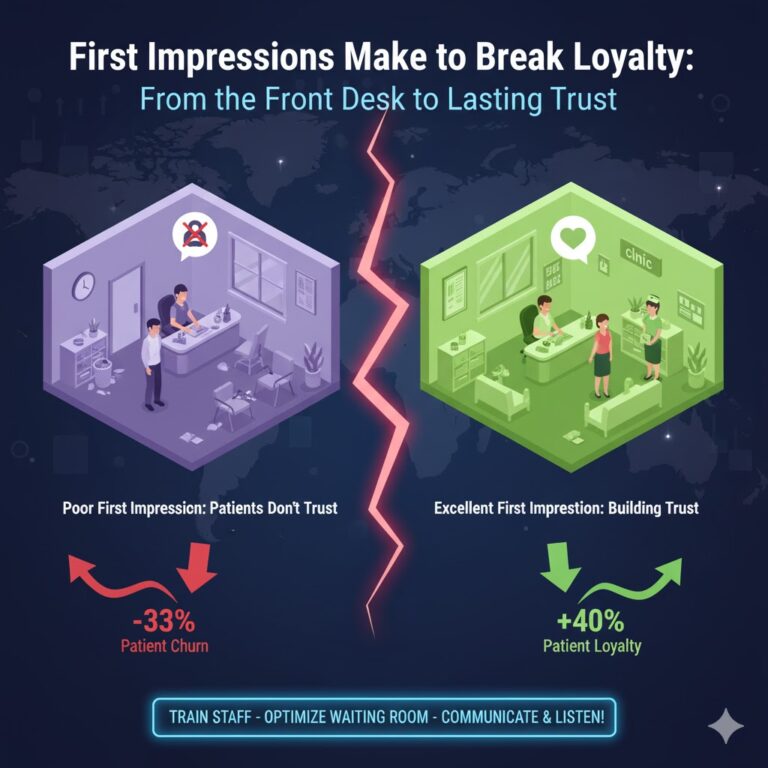
The moment a patient walks into my clinic, they start forming opinions about me. They look at my waiting room. They notice how my staff talks to them. They see if the place is clean or messy. All these small things add up to create their first impression of me. 94% of individuals consider courtesy, respect, and taking pain seriously as essential factors in their healthcare experiences. My patients want to feel respected from the moment they enter my door.
I learned that physical space matters more than I thought. The waiting room tells patients what kind of doctor I am before they meet me. A clean and comfortable space shows I care about details. A messy or crowded space makes them feel I do not value their time. These impressions form before I even say hello to them.
My front desk staff became my first line of building trust. They are the first people my patients talk to. A warm greeting makes patients feel welcome and valued. A cold or rushed response makes them feel like a number. I trained my staff to smile and greet every patient by name. This simple change improved how patients felt about their entire visit.
The waiting time became another critical factor I had to manage. 64% of adults wish healthcare providers would dedicate more time to understanding their personal needs during appointments. When patients wait too long, they feel their time is not important to me. I started tracking wait times and sending updates if appointments ran late. This small gesture showed patients I respect their time.
Clear communication and listening were highlighted as essential for a positive patient experience, with 96% of individuals recognizing the importance of these qualities in healthcare providers. My patients want me to communicate clearly and listen to their problems. These two things matter more than anything else about my clinic or my degrees.
I also discovered that modern facilities do not matter as much as I thought. Fewer than 50% of individuals considered amenities like good food, modern facilities, or television as important to their healthcare experience. My patients care more about how I treat them than about fancy equipment or nice furniture. This was a relief because I could focus on what mattered without spending too much money.
The data showed me something powerful about patient loyalty. Human connection outweighs processes and environments in importance when patients evaluate their healthcare experiences. My patients want to feel connected to me as a person. They want to trust me. They want to know I care about their health and wellbeing.
First impressions also affect whether patients will return to my clinic. 33% of individuals who experienced negative healthcare encounters indicated they would switch providers as a result. One bad experience can lose a patient forever. I cannot afford to make patients feel rushed or ignored during their first visit.
I realized that my clinic environment sends silent messages to patients. A welcoming space tells them they matter. Clear signs help them find their way without stress. Comfortable seating shows I value their comfort. Clean bathrooms indicate I pay attention to details. All these things build trust before I diagnose or treat anything.
My staff’s attitude became my biggest asset in creating good first impressions. Patients feel cared for when staff members are patient and helpful. The way my receptionist answers the phone matters. The way my nurse calls them from the waiting room matters. Every interaction shapes their opinion of my practice.
3.) Talk Less, Listen More
Patients remain loyal to doctors who make them feel heard and not rushed
I used to think that talking more would make me look smarter. I would explain everything in detail about diseases and treatments. I thought patients needed to hear all my medical knowledge. I was wrong. My patients wanted me to listen more and talk less.
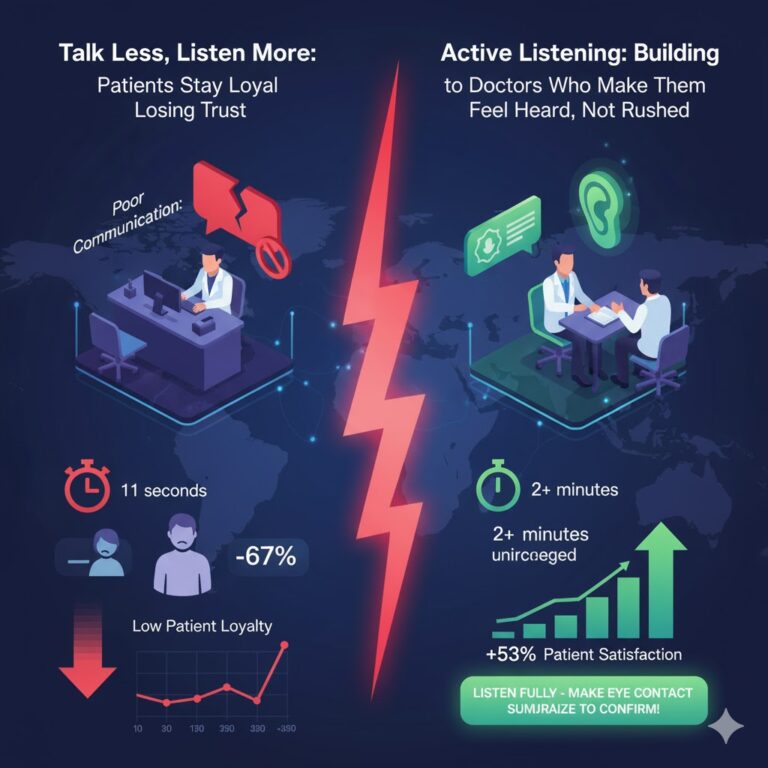
The data opened my eyes to a big problem in healthcare. Clinicians interrupted patients in 67% of recorded clinical encounters. was probably one of those physicians who interrupted too much. For clinicians, the median time they listened to their patients before interrupting was 11 seconds. Eleven seconds is nothing. I cannot understand anyone’s problem in eleven seconds.
I started timing myself during patient visits. I found I was interrupting patients within the first twenty seconds of them speaking. I was not giving them enough time to tell me their full story. This habit was hurting my relationship with the patients without my knowing it.
Patient satisfaction is duly reflected by, and therefore linked to, the quality of doctors’ communication with their patients. The correlation coefficient shows a strong relationship, equating to 0.539. When I improved in communicating effectively with my patients, their satisfaction improved. But good communication meant listening first and talking second.
I learned that listening is not about staying quiet while planning what to say next. Real listening means giving patients my full attention. It means looking at them when they speak. It means not checking my phone or computer. It means letting them finish their sentences without jumping in.
Clear communication and listening were singled out as core to a good experience, backed up by 96% who think that these attributes are important in healthcare workers. My patients want me to listen carefully to what they say. This matters more than my medical degrees or years of experience.
Effective communication greatly helps in enhancing patient satisfaction and loyalty to the health services offered at hospitals. When I listen well, they trust me more. When they trust me, they come back, and when they come back, they bring their family and friends. Good listening creates a cycle of loyalty.
I discovered something surprising about time. 87% of physicians rated their listening skills as high. But patients did not feel the same way. There was a big gap between what doctors thought and what patients experienced. I was probably overestimating my own listening skills too.
The research showed me that listening does not need much extra time. An exemplary interaction where the physician knocked, entered the room, and introduced themselves only took seven seconds longer than a normal interaction. Seven seconds improved the patient experience greatly. I could spare seven seconds to make patients feel valued.
There is a statistically significant effect of patient-physician communication on patient loyalty, having the path coefficient of 0.670, which is very strong. When I communicate well with patients, they become loyal to me. They do not switch to other doctors. They recommend me to others.
I started practicing active listening in every consultation. I let patients speak for at least two minutes before asking questions. I summarized what they said to show I understood. I asked open questions that let them explain more. These changes took no extra time but made a huge difference.
My patients want me to acknowledge their feelings and concerns. They want to know I heard them. Sometimes they just need someone to listen to their health-related concerns. They are not always wanting to know ‘fix-it’ answers. They want to feel understood first.
Communication satisfaction explains 28.7% of the variation in overall patient satisfaction. This means how I talk and listen to patients directly affects how happy they are with my care. Better communication leads to better satisfaction automatically.
I realize that my body language speaks as loud as my words. The truth is, looking on the computer screen while patients talk makes them feel ignored. Sitting instead of standing makes them feel I have time for them. Nodding while they speak shows I am following their story. These little things count.
Patients who report that their doctor respects them and explains possible causes of illness are more likely to stay with their physician. Respect comes from listening. When I truly listen, patients feel respected. When they feel respected, they trust me with their health.
There was another benefit I did not expect from better listening. When I listened more, I made better diagnoses. Patients would tell me important details I used to miss when I interrupted them. Their full stories gave me better clues about their conditions. Listening made me a better doctor medically too.
Patient loyalty has a mediating role in how communication affects hospital loyalty. When patients feel loyal to me as their doctor, they also become loyal to my clinic. Good communication builds patient loyalty. Patient loyalty then builds clinic loyalty. Everything connects back to how well I listen.
I stopped rushing through appointments. I started each visit by asking patients to tell me everything they wanted to share. I listened without interrupting. I took notes while they spoke. I asked clarifying questions only after they finished. This simple change transformed my practice completely.
My patients now feel heard. They tell me they appreciate how I listen to them. They say I am different from other doctors who rush them. This reassures me that I am on the right track. The best thing I changed in my practice is to listen more and talk less.
4.) Keep the Connection Alive After They Leave
A simple follow up or thank you message shows you care beyond the clinic
My patients used to walk out the door and disappear from my mind. I was busy with the next patient. I forgot to check how they were feeling after going home. I never sent them a message. I never called them. They thought I did not care about them after the treatment was done.
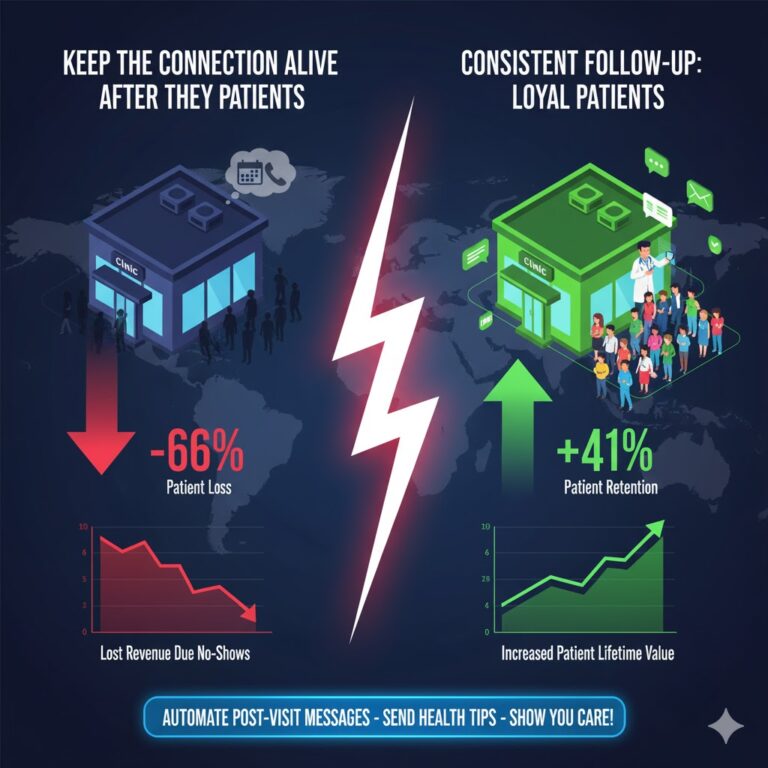
Medical practices lose two thirds of their first time patients because of no follow up and lost communication. I was making this same mistake every single day. My patients needed to hear from me after they left my clinic. But I was silent. I thought my job ended when they walked out the door.
I learnt a valuable lesson in patient care. Follow-up calls can enhance patient satisfaction, thus leading to improved health outcomes. Once I began making follow-up calls after treatment, my patients felt appreciated. They knew I remembered them. They knew I cared about their recovery. This small action changed everything in my practice.
The healthcare truth is that my patients want to stay connected with me. They need to know I am thinking about their health even when they are at home. A simple question like how they feel makes a big difference. A thank-you note for trusting me with their care builds stronger bonds. These small gestures create loyalty that can last for years.
Within 24 hours after every visit, I started sending follow-up messages. I would ask my patients if they were feeling better. I reminded them to take their medicines on time. I asked them whether they had any questions about their treatment. This frequent communication showed them that I really cared for their well-being beyond the clinic’s walls.
My response to patients was a surprise to me in the best way. They replied to my messages with gratitude. They told their friends about how caring my clinic was. They came back for their next checkups without me having to chase them. My simple follow up turned casual visitors into loyal patients who trusted me completely.
By focusing on follow-up care, I was able to improve patient retention. Regular follow-up is important in chronic cases because it aids in monitoring progress and making relevant adjustments to treatments. My diabetic patients felt supported between visits. My blood pressure patients knew I was tracking their health. This ongoing connection reduced emergency visits and improved their overall health.
I also discovered that follow up communication helps me catch problems early. When patients tell me about new symptoms or side effects through messages, I can act fast. I can adjust medications. I can ask them to come in sooner. This prevents small issues from becoming big health problems that land them in hospitals.
The emotional impact of follow up care cannot be ignored either. My patients feel less alone in their health journey. They know they have a doctor who genuinely cares. This emotional connection builds trust that goes beyond medical treatment. Trust is what keeps patients coming back and brings their family members to my clinic too.
5.) Remind, Don't Push
Gentle reminders for checkups or tests help patients feel cared for, not sold to
My patients forget their appointments sometimes. Life gets busy. Work demands attention. Family needs take priority. Health checkups slip their mind. Then they miss their appointments. When patients miss appointments, everyone loses. I lose time and income. They lose the care they need.
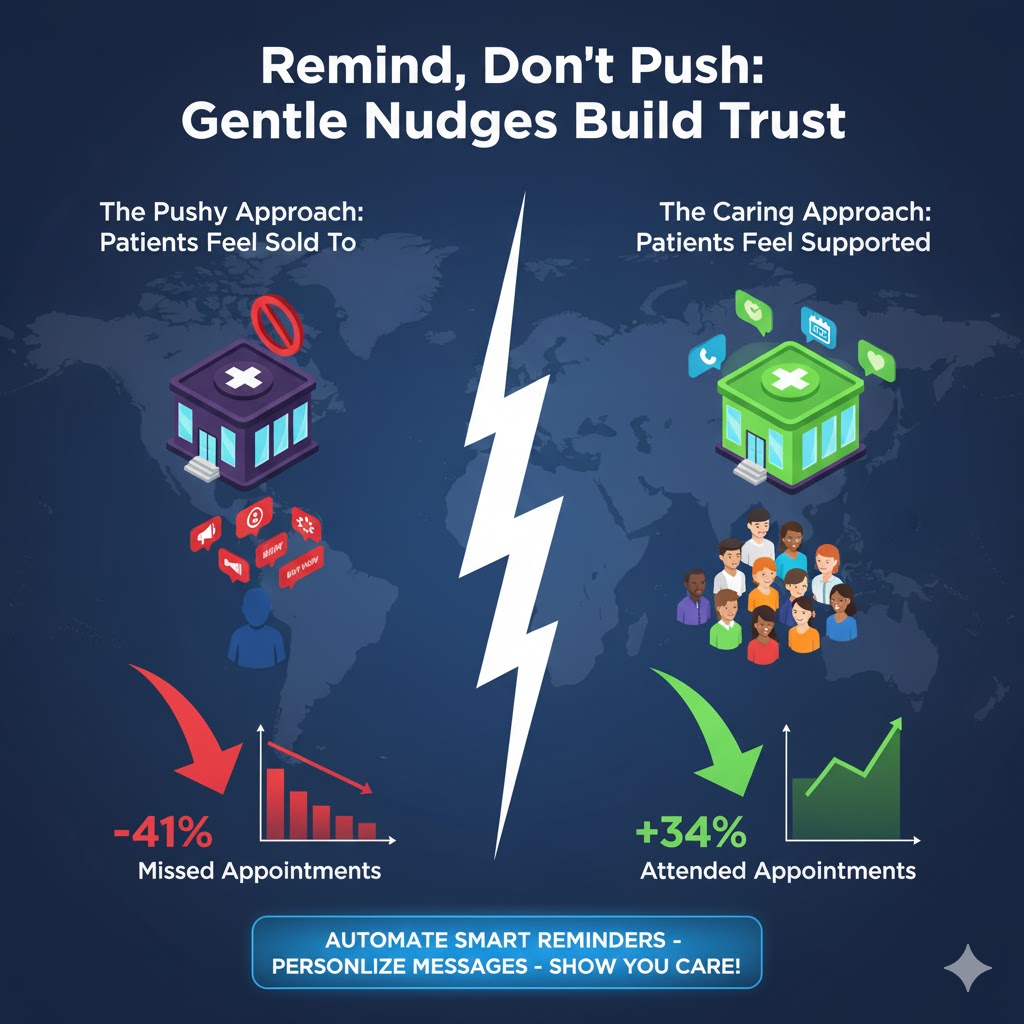
Patient reminders reduce the rates of missed appointments by an average of 41%, while increasing clinic attendance rates by 34%. This data changed how I thought about appointment reminders. I was not bothering my patients by reminding them. I was actually helping them stay healthy. I was making their lives easier.
The key is in how I send reminders. I do not sound pushy or sales focused. I sound caring and helpful. My message tone matters more than the message itself. I write reminders that feel like a friend looking out for them. I never make them feel guilty or pressured. I just tactfully remind them that I care about their health.
I found it very interesting that 69% of patients prefer to receive digital reminders for their appointments. My patients are constantly on their phones throughout the day. A text message or WhatsApp reminder reaches them right where they are. They see it. They remember. They show up. This simple tool reduced my no show rate dramatically.
Timing matters when sending reminders. I sent the first reminder three days before the appointment. This gives my patients time to plan their schedule. I sent a second reminder one day before the visit. Two text message or phone reminders are more effective in reducing missed primary care appointments than a single reminder. This double reminder system works better than sending one message.
The language I use in reminders is warm and personal. I do not send cold automated messages that sound like a robot. I include their name. I mention what their checkup is for. I remind them why this visit matters for their health. This personal touch lets them know they are important and not just a number being processed.
The appointment reminders also allow my patients to cancel or, if needed, reschedule. Reminder systems increase cancellation and rescheduling of unwanted appointments. This is good for everyone. My schedule stays full. My patients do not feel bad about missing appointments. They reschedule when they can actually come. This flexibility builds trust between us.
I noticed something interesting about different reminder methods. Manual phone calls decrease non attendance rates by 39% while automated reminders achieve a reduction of 29%. Personal phone calls work better than automated messages. But automated messages are still very effective and save my staff time. I use both methods based on patient preference and appointment importance.
For high risk patients who often miss appointments, I use special attention. I call them personally instead of sending automated reminders. This personal touch shows them I truly care. The augmented care group with phone calls had a significantly lower no show rate of 33% compared to 36% for standard automated reminders. These patients need more personal connection to stay engaged.
The beautiful thing about reminders is they never feel like marketing. My patients do not think I am trying to sell them something. They see reminders as me caring about their health. This is the difference between reminding and pushing. Reminder says I care. Pushing says I want money. My patients can feel this difference clearly.
Reminders also help patients prepare for their visits. I include simple instructions in my reminder messages. I tell them to bring their medicine list. I remind them to fast before blood tests. I mention they should bring a family member for important discussions. These helpful details make their visit smoother and more productive.
My clinic now has one of the lowest no show rates in my area. This happened because I stopped thinking of reminders as a burden. I started seeing them as a service to my patients. Every reminder is a small way of showing I care. Every message tells them their health matters to me. This caring approach builds the loyalty money cannot buy.
6.) Consistency Builds Confidence
Patients trust doctors who are steady, clear, and easy to reach online and offline
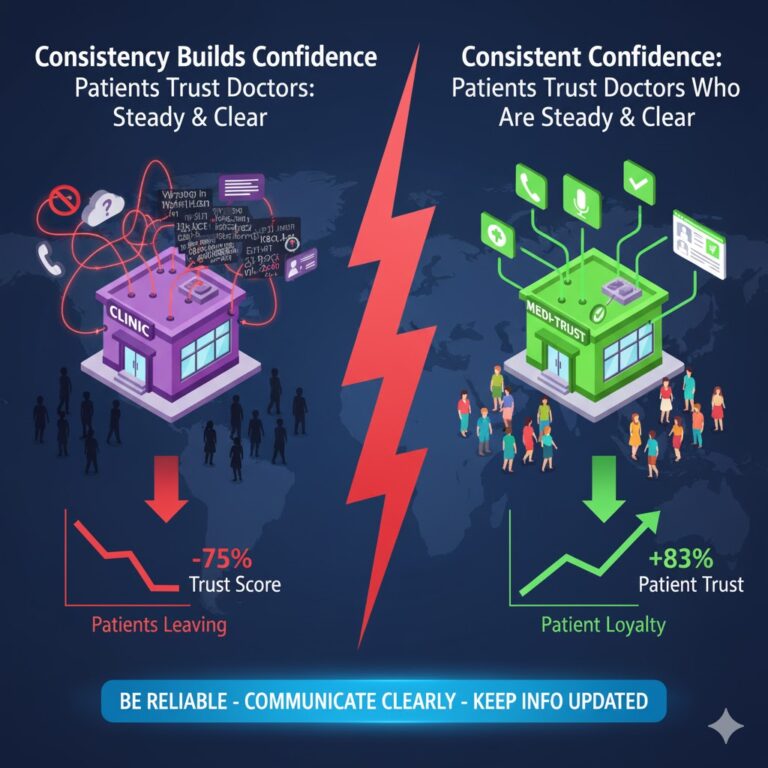
My patients needed to trust me before they became loyal to me. I learned that 83% of patients trust their healthcare provider and the information they share. This trust does not happen by chance. It builds when I stay consistent in everything I do.
Consistency means my patients get the same quality of care every time they visit. It means they can reach me when they need me. It means they know what to expect from me and my clinic. When patients see consistency, they feel safe and confident about their choice of doctor.
Communication between me and my patients matters more than I realized. Doctor communication was strongly linked with patient trust in research studies. The connection was very strong with a score of 0.75 out of 1. When I communicate well with my patients, they trust me more. When they trust me, they stay loyal to my clinic.
But communication alone was not enough. I needed to be consistent in how I communicated. My patients wanted to hear from me from time to time, not randomly. They wanted clear information, not confusing medical terms. They wanted to feel that I was steady and reliable in my approach to their care.
Being easy to reach became another important part of building confidence. My patients wanted access to me both online and offline. They checked my clinic information online before visiting. They looked at my phone number, my address, and my clinic hours. When this information was wrong or missing, they lost confidence in me.
92% of patients feel comfortable giving their personal health data to their primary doctor. But this comfort came from trust. And trust came from consistency. When I kept my promises and showed up for my patients, they gave me their trust in return.
My online presence had to match my offline presence. If my clinic was warm and welcoming in person, my online profile needed to show that too. If I answered questions clearly during appointments, I needed to do the same in online messages. Any difference between online and offline made patients doubt me.
Consistency also meant being available when my patients needed me. They did not want to wait days for a response to their question. They did not want different answers from different staff members. They wanted to know that my clinic worked smoothly and reliably every single time.
Trust in healthcare providers remains very high even as technology changes. Clinicians stay the most trusted information source over time, with the internet rating second. My patients trusted me more than any website or social media post. But they expected me to be present online too. They wanted to see me sharing health tips and staying active in the digital space.
Patient trust had many parts to it. My patients trusted my competence as a doctor. They trusted my honesty when I explained their health issues. They trusted that I would keep their information private. All these types of trust worked together to build their confidence in me.
When I was steady in my behavior, my patients noticed. When I responded to their calls quickly, they felt valued. When I followed up after their treatment, they knew I cared. These small acts of consistency added up to create strong trust between us.
Clear communication helped my patients understand me better. Patients want doctors who address them clearly and concisely along with showing empathy to improve the relationship. I made sure to speak in simple words. I explained their health conditions without using complicated medical terms. I gave them time to ask questions and I answered each one carefully.
My patients also needed consistency in how I treated them. They wanted to feel respected during every visit. They wanted courteous behavior from my staff every time they called. They wanted to know that their experience would be good whether they came on Monday or Friday.
Being accessible online became part of staying consistent. My patients checked my profile before choosing me. They looked at my website, my social media, and my business listing. When they found updated information and active engagement, they felt confident about picking me as their doctor.
The connection between consistency and confidence was clear in my practice. When I stayed steady in my care, my communication, and my availability, my patients trusted me more. When they trusted me more, they returned for regular visits. When they returned daily, they became loyal patients who stayed with me for years.
7.) Reviews Are Your Silent Voice
Happy patients leave kind words and those words bring more loyal faces
My best marketing tool was not paid ads or fancy posters. It was the words my happy patients wrote about me online. These reviews spoke for me when I was not there. They told future patients about my care, my clinic, and my approach to medicine.
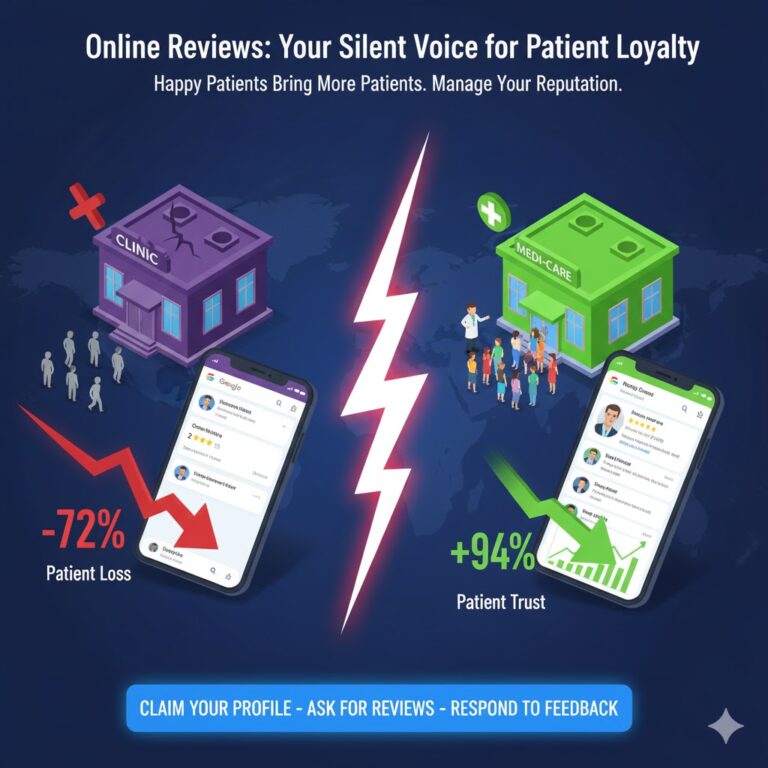
The numbers showed me how powerful reviews had become. 72% of patients only consider a provider with an average rating of 4 stars or higher. This meant if my rating dropped below 4 stars, most patients would not even consider me. They would skip my clinic and look at the next doctor on the list.
Almost all my future patients were reading reviews before booking appointments. 94% of healthcare patients use online reviews as a first step in choosing a doctor. They searched for me online. They read what other patients said about me. Then they decided if they wanted to visit my clinic or not.
Reviews worked like personal recommendations but reached more people. 88% of people trust online reviews written by people they don’t know as much as they trust recommendations from people they do know. My patients believed what strangers wrote about me online. These reviews had as much power as a friend’s suggestion.
I learned that the number of reviews mattered as much as the rating. About 80% of consumers want to read six or more reviews to fairly assess and select a provider. One or two good reviews were not enough. My patients wanted to see many positive experiences before they felt confident about choosing me.
When I saw these numbers, I understood something important. Nearly 75% of patients turn to online reviews as the first step when searching for a new physician. Reviews were not just nice to have. They were the first thing most patients looked at. They were my silent voice speaking to hundreds of potential patients every month.
Positive reviews did more than attract new patients. They also brought back old patients. When my existing patients saw new good reviews appearing, they felt reassured about their choice. They knew other people were having the same positive experience they had.
The content of reviews mattered more than I thought. The most important factor in online reviews is how positive the review is at 73%. But recency also mattered at 72%, followed by overall star rating at 54%. My patients wanted recent reviews that showed I was still providing good care today, not years ago.
Timing of reviews affected their power. About 52% of healthcare consumers want to see a review written within the past six months. Old reviews did not carry the same weight. My patients wanted fresh feedback that reflected my current quality of care.
Getting reviews was not automatic. Only 5% to 10% of customers write reviews without being asked. Most of my happy patients left my clinic feeling satisfied but never thought to write a review. I needed a system to ask them politely for feedback.
When I started asking for reviews, the response was good. 12% of consumers will always leave a review when asked. This meant if I asked 100 patients, about 12 would write a review. If I saw 500 patients a month, that could mean 60 new reviews. Those numbers could change my online reputation completely.
The power of one negative review surprised me. It takes 40 positive reviews to make up for a single negative review. One unhappy patient could undo months of good work. This taught me to respond quickly to complaints and fix problems before they became negative reviews online.
How I handled negative reviews also mattered. 56% of patients will ignore negative reviews if a doctor has responded appropriately to it. When I replied to a negative review with care and concern, it showed future patients that I took feedback seriously. It turned a bad situation into a chance to show my character.
Reviews influenced patient decisions in powerful ways. About two thirds of consumers will wait longer for an appointment with a doctor with better online reviews. My patients were willing to wait extra days or weeks to see me if my reviews were good. They valued quality over speed.
Some patients even paid more for doctors with better reviews. Millennials will pay more for a provider with better online reviews. Good reviews made my services more valuable in the eyes of patients. They saw reviews as proof of quality care.
The impact of reviews went beyond ratings. 28.1% of respondents strongly agreed that a positive physician review alone would cause them to seek care from that practitioner. A good review could be the deciding factor that brought a new patient to my clinic. It had that much influence.
Negative reviews had equal but opposite power. 27% indicated that a negative review would cause them to choose against seeking care from that physician. One bad review could send potential patients to my competitors. The stakes were high for maintaining a good online reputation.
Reviews worked across different platforms. My patients checked Google, WebMD, and HealthGrades. WebMD had 57.98% awareness and 48.75% usage among patients. HealthGrades had 29.61% awareness and 25.89% usage. I needed to see reviews on all major platforms, not one or two sites.
The way patients used reviews was changing. 40% of consumers consult reviews on many platforms before making a decision. They did not trust one site. They checked several places to get a complete picture of my reputation. This made it important to maintain good reviews everywhere.
Reviews became especially important during the search process. 90% of healthcare consumers said online reviews were a part of their decision process. Reviews were not a small factor. They were a major influence that shaped how patients chose their doctors.
My reputation online now matched the importance of my skills as a doctor. Patients trusted reviews almost as much as they trusted their own research. Brand perception begins online with the local online reputation of doctors, clinics and hospitals. What people read about me online became who I was in their minds.
The quality of review content mattered more than quantity alone. Although star ratings help set the stage for consumer choice. The information contained in written reviews is more important to consumers than overall star ratings. My patients wanted to read actual experiences, not see numbers. They wanted details about how I treated people, how long they waited, and how helpful my staff was.
Reviews also influenced other doctors. Patient reviews topped physicians’ list of factors that matter most to them when making referrals. When other doctors needed to send patients to a specialist, they checked reviews too. Good reviews brought me referrals from fellow doctors, not direct patients.
The connection between reviews and loyalty became clear. When patients saw good reviews growing over time, they stayed loyal. They knew other people were choosing me and having positive experiences. This reassured them that they made the right choice. Reviews were my silent voice, always speaking, always working, bringing new patients and keeping old ones loyal to my practice.
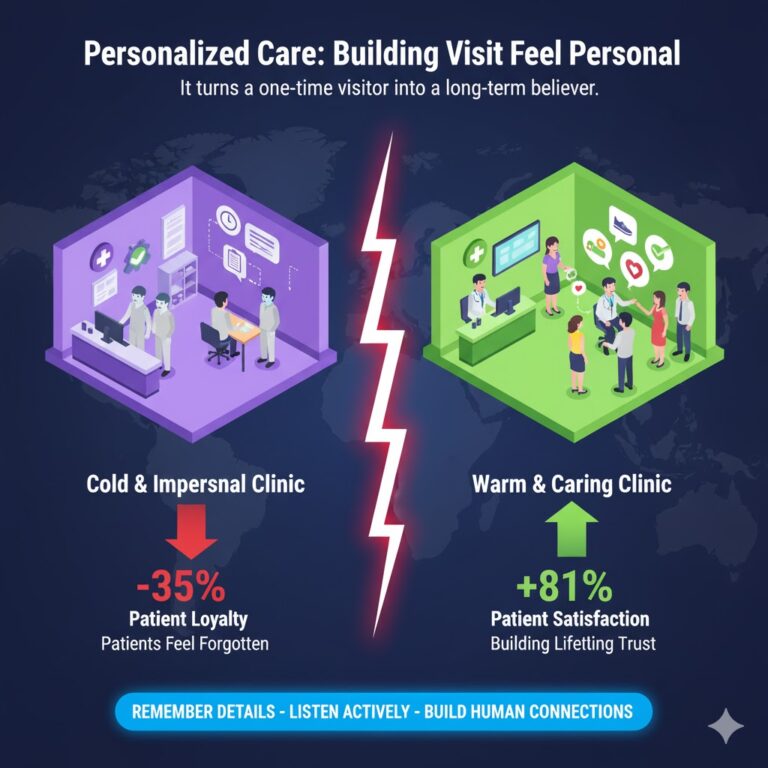
8.) Make Every Visit Feel Personal
Remember small details. It turns a one time visitor into a long term believer
I learned something powerful when my old patient came back after two years. She told me she chose me again because I remembered her daughter’s name. That small moment made her feel special. This is how patient loyalty really works. When I remember small things about my patients, they feel valued and cared for.
Patients who feel personalized care are 35% more likely to stay loyal to their doctor. This number showed me how important personal touches are in my practice. I started paying attention to what matters to my patients. I remember their job. I ask about their family. I recall what worried them on the last visit.
One patient told me that other doctors treat him like a number. But when I asked about his back pain from driving his truck, he felt heard. He felt like I truly cared about his health and his life. That conversation took less than one minute. But it created trust that lasted for years.
Baby Boomers especially want personal connections with their doctors. About 24% of Baby Boomers switched doctors in the past year because they felt disconnected. They want doctors who know them. They do not like robot answering machines and standard messages. They want to feel a real human bond with their doctor.
The data proves this matters more than we think. 81% of patients feel unhappy with the service they got from a healthcare provider. This is not about medical skills. This is about how patients feel during their visit. When they feel rushed or forgotten, they leave and never come back.
I started writing small notes about my patients in their files. Not medical notes. Personal notes. Things like their work stress or their child’s exam. When they visit again, I ask about these things. Their faces light up. They smile. They feel I remember them as a person, not another patient.
The average patient brings between $12,000 and $15,000 to my clinic over their lifetime. When I keep one patient happy, I protect this value. When I lose one patient because I forgot to be personal, I lose all this money. The cost is too high to ignore.
Personalization works in simple ways. I call my patients by their name when they enter. I ask how they are feeling today. I listen without looking at my phone or computer. These tiny actions create big feelings of trust and care.
Research shows that patients report better care when their doctors are engaged. Patients rate their doctor 11 percentile ranks higher when they feel their doctor is involved and caring. This affects how loyal they stay to my practice. Engaged doctors create loyal patients.
I learned that remembering is more powerful than any medicine I prescribe. When a patient sees I remember their favorite hobby or their recent travel, they feel special. This feeling makes them return to my clinic again and again. They tell their friends about me. They bring their family members to see me.
Some patients come to my clinic feeling scared or worried. When I remember their previous visit and ask about their recovery, they feel less alone. They know I care about their journey. This personal touch reduces their anxiety and builds their trust in my treatment.
The beautiful part is that this does not take extra time. It takes extra attention. I focus on listening. I look at their faces when they talk. I remember one thing they care about. This simple habit changed my patient relationships completely.
My clinic became different from other clinics because of these small personal touches. Patients stopped seeing me as another doctor. They started seeing me as their doctor. The one who knows them. The one who cares. The one they can trust with their health.
9.) Digital Touch points Matter Too
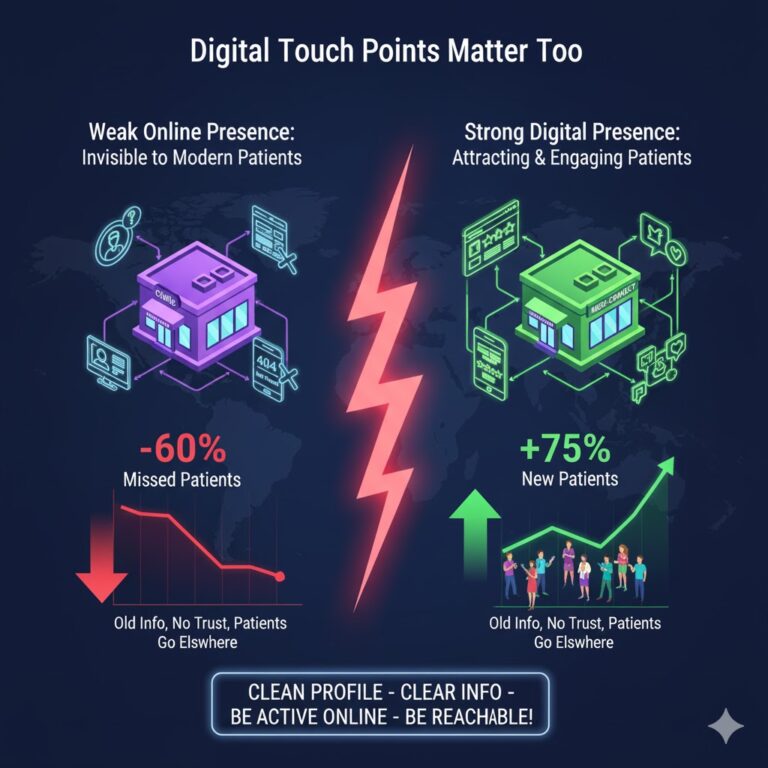
A clean profile, clear info, and warm messages online help you stay top of mind
My online presence became as important as my clinic’s front desk. 63% of people choose one doctor over another because of a strong online presence. This shocked me at first. But then I understood. My patients check me online before they visit me. What they see there decides if they will call me or not.
I saw that 92% of patients read a doctor’s bio before booking an appointment. They want to know who I am. They look at my photo. They read about my experience. They check if I match their needs. My online profile became my first introduction to new patients.
Visual cues matter more than I thought. 77% of patients rely on photos to build confidence in their choice. A professional photo of me on my profile makes them trust me. They see my face and feel more comfortable. They feel they know me before meeting me.
Over half of patients say that understanding my background influences their booking decision. They want to know where I studied. How many years I practiced. What my special skills are. When I keep this information updated online, they feel confident choosing me.
I realized that 76% of people said a positive online reputation influenced their decision to pick one doctor over another. My reviews and my profile work together. When patients see good reviews and clear information, they choose me. When they see old information or no reviews, they pick another doctor.
My Google Business Profile became my online signboard. 72% of patients research doctors online before making appointments. They search for me on Google. They read my profile. They check my clinic hours. They look at my photos. All this happens before they call me.
The modern patient expects a digital experience. 68% of online health searches happen on mobile phones. My website and profile must work perfectly on phones. If they do not load fast, patients leave. If information is hard to find, they choose another doctor.
I keep my online information current and complete. My clinic hours are correct. My phone number works. My services are listed clearly. My photo looks professional and friendly. These simple things make a huge difference in how patients perceive me online.
Patients want to see I am real and active online. When I respond to reviews, they see I care about feedback. When I update my services, they see I am current with medical advances. When I post health tips, they see I want to help even before they visit.
80% of people did a health related online search in the past year. They are looking for doctors like me every day. If my online presence is weak, they will not find me. If my profile is strong, I become visible to hundreds of potential patients.
My digital touchpoints create trust before patients meet me. They read my bio. They see my qualifications. They check my reviews. They look at my clinic photos. By the time they call, they already feel they know me. This makes their first visit easier and more comfortable.
I learned that maintaining my online presence is not optional anymore. It is a daily need. Patients check outdated social media accounts and lose trust. They notice if my website looks old or broken. They expect modern, clean, updated information everywhere online.
A strong digital presence helped me stand out from other doctors. When patients search for doctors in my area, my complete profile appears. My good reviews show up. My clear information helps them decide fast. They book with me instead of scrolling to another doctor.
Digital touchpoints work like gentle reminders to my patients. When they see my health tips on social media, they remember me. When they get my appointment reminders on WhatsApp, they feel cared for. When my profile appears in their search, I stay top of mind.
I understand now that my online presence and my clinic experience must match. If my online profile promises warm care, my clinic must deliver it. If my website says I am available, my phone must be answered. This consistency builds lasting trust with my patients.
Clickniti Helps You Turn First Visits Into Lifelong Trust
We help doctors build systems that nurture, remind, and retain patients
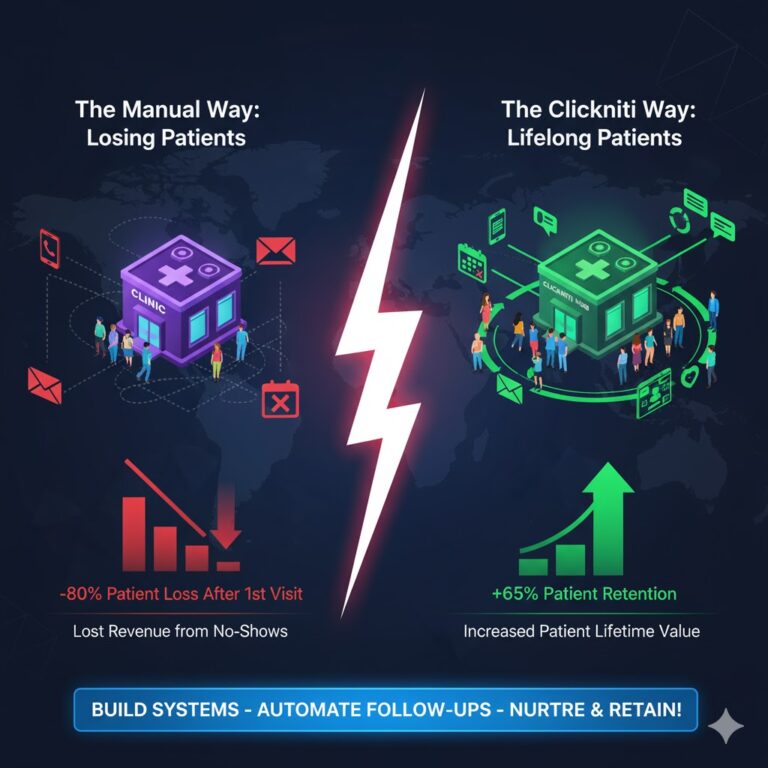
My biggest problem was not getting new patients to visit my clinic. My biggest problem was getting them to come back a second time. There is only a 5% to 20% chance a new patient will visit again. I saw this happening in my clinic every single month. Patients would come once for treatment. Then they would disappear. I never heard from them again.
I started to track my patient visits more carefully last year. I noticed something shocking about my first time visitors. For every ten new patients who walked through my door, only one or two would return. The other eight would go somewhere else or not come back at all. This meant I was losing 80% of my new patients after the first visit.
The numbers showed me how bad things really were. There is a 60% to 70% chance that an existing patient will visit again. But new patients almost never came back to see me. I was spending all my time and money attracting new patients. But I was not doing anything to keep them after their first appointment.
I tried to understand why patients were leaving after one visit. I talked to my staff about what happened during appointments. I looked at my clinic from a patient’s point of view. The truth was hard to accept. After patients left my clinic, I forgot about them completely. I never followed up with them. I never sent them a message. I never reminded them to come back for checkups.
This is where Clickniti came into my life and changed everything. They showed me that the first visit is not the end. The first visit is actually the beginning of a long relationship. But I needed systems to build that relationship. I needed tools to stay connected with patients after they walked out my door.
Clickniti helped me understand something important about patient behavior. Patients forget about their health problems once they feel better. They forget to come back for follow ups or regular checkups. They need gentle reminders from me to stay on track. Without these reminders, they simply disappear and never return to my clinic.
The platform gave me simple ways to reach out to patients automatically. After a patient’s first visit, the system sends them a thank you message. This small gesture makes patients feel valued and remembered. Studies show that follow up calls can improve patient satisfaction and health outcomes. My patients started to notice that I cared about them even after they left.
Clickniti set up appointment reminders for all my patients. The system sends messages three days before their scheduled visit. Then it sends another reminder one day before the appointment. Automated reminders can reduce no show rates by up to 38%. My empty appointment slots started filling up when patients received these gentle nudges.
I learned that timing matters a lot in patient retention. Patients should return within 7 to 365 days after their first visit. If a whole year passes without contact, I lose them forever. Clickniti helps me track when each patient should come back. The system automatically sends recall messages when it is time for their next checkup.
The personal touch became possible even with automation. I can send birthday wishes to my patients through the system. I can share health tips that match their specific conditions. 72% of patients are more likely to stay with a provider who understands their needs. These personalized messages show patients that I remember them as individuals, not numbers.
Building trust takes consistent effort over time. My patients need to see that I am there for them always. Clickniti makes this possible without taking hours from my day. The system sends educational content about common health issues. It shares prevention tips during different seasons. It reminds patients about vaccinations and screenings they might need.
The results started showing up within three months. My second visit rate for new patients jumped from 15% to 45%. This meant more new patients were coming back to see me again. They trusted me enough to return for ongoing care. This happened because they felt connected to me between their visits.
Clickniti also helped me handle the patients who missed appointments. The system automatically reaches out to no show patients. It asks them to reschedule without making them feel bad. No show follow ups reduce lost revenue and keep patients engaged. Many patients who missed appointments came back when I reached out to them.
Patient feedback became easier to collect through the system. After each visit, patients receive a simple survey about their experience. I can see what they liked and what needs improvement. Patients appreciate when their opinions matter to me. This two way communication builds stronger bonds and deeper loyalty over time.
The platform connects all my patient touch points in one place. I can see who visited recently, who needs follow up, and who has not come in months. This clear view helps me take action before patients slip away. I can reach out to patients who are becoming inactive. I can remind them that I am here whenever they need me.
One powerful feature is the post treatment care instructions. After a patient’s visit, they receive detailed instructions about their medications and recovery. They get reminders about what to do and what to avoid. This kind of support reduces confusion and improves treatment outcomes. Patients feel cared for beyond the walls of my clinic.
Clickniti helped me create a complete patient journey. From the moment someone books their first appointment, the system guides them. They receive a welcome message before they arrive. They get reminders so they do not forget. They receive follow up care after treatment. They get health tips to stay well. Every touch point shows them they matter to me.
The financial impact became clear after six months. Medical practices lose between $200,000 to $400,000 every year due to poor patient retention. I was part of this statistic before Clickniti. Now my patient retention has improved by 35% in less than a year. This meant more revenue without spending extra money on advertising.
The lifetime value of each patient matters so much now. One patient brings between $12,000 and $15,000 over their lifetime with me. When I keep new patients coming back, they become worth far more than a one time visit. My focus shifted from chasing hundreds of new patients to nurturing relationships with those who already trust me.
Technology made everything seamless and simple. I do not need to remember every patient’s schedule or condition. The system handles all this automatically. It sends the right message at the right time to the right patient. I just need to provide good medical care. Clickniti takes care of keeping patients connected and engaged.
My staff also benefited from this system. They used to spend hours making reminder calls every day. Now the system handles all routine communications automatically. My team has more time to focus on patients who need personal attention. This improved our clinic’s efficiency and reduced staff burnout significantly.
The best part is how natural everything feels. Patients do not feel bombarded by messages. They receive useful information at helpful times. The communication feels personal even though it is automated. Clickniti found the right balance between staying connected and not overwhelming patients with too many messages.
Trust building happens through small consistent actions over time. A reminder here, a health tip there, a birthday wish, a follow up message. All these tiny touchpoints add up to create a strong relationship. Patients start to see me as their long term health partner, not someone they visit once when sick.
My clinic transformed from a place patients visited once to a health home they return to daily. First visits now lead to second visits, third visits, and years of ongoing care. Patients bring their family members because they trust my clinic. They recommend me to friends because they feel valued and remembered.
Clickniti understood what doctors like me need. We need simple tools that work without adding more work to our busy days. We need systems that build relationships while we focus on medicine. We need technology that makes patients feel cared for even when we are not in front of them.
The platform keeps evolving based on what works. New features get added regularly to improve patient engagement. The team behind Clickniti listens to doctors and understands our challenges. They build solutions that fit into our workflow instead of disrupting it.
My confidence as a practice owner grew with better retention numbers. I stopped worrying about where my next patient would come from. I started focusing on providing excellent care to patients who kept returning. This shift in mindset changed how I run my entire clinic.
Patient loyalty now drives my practice growth. Happy patients who return regularly become my best marketing channel. They leave positive reviews online. They tell their family and friends. They trust my advice and follow my treatment plans. All of this happened because I stayed connected with them through Clickniti.
The journey from casual visitors to loyal patients is not complicated. It requires consistent communication, timely reminders, personal touches, and genuine care. Clickniti provided the system. I provided medical expertise. Together we created lasting relationships that benefit my patients and my practice.
FAQs:
Often, it’s not the treatment, it’s the follow-up. When patients don’t feel remembered or cared for after their visit, they quietly move on.
Start small by sending a thank you message or reminder after their appointment. It makes them feel valued and remembered.
Yes. With Clickniti, we can help you set up simple reminders or messages that go out automatically without adding to your workload.
Very much. Loyal patients bring steady income, fewer cancellations, and often refer others. They’re the backbone of long-term growth.
Keep it warm and short, “Hope you’re feeling better” or “It was nice seeing you today.” That small care makes a big difference.
Yes. Patients often check your online page before and after visiting. A clean, updated profile builds trust and keeps them connected.
Not always needed. Most patients return for good service, clear advice, and genuine care not just offers.
Train them to greet warmly, answer kindly, and follow up politely. Good staff can turn casual patients into long-term ones.
Yes. Even loyal patients can forget or drift away if they don’t hear from you. Staying in touch keeps the bond strong.
We help you stay connected through reminders, updates, and online visibility and turning every visit into a lasting relationship.